The Best Herbs to Grow Indoors in Winter (Even in Florida)
This post contains affiliate links. As an Amazon Associate, I earn from qualifying purchases. If you shop through them, I may earn a small commission at no extra cost to you. I truly appreciate you supporting my small business.
Even on the Emerald Coast, a cold snap can flatten a basil plant overnight, and a windowsill herb garden is how you keep dinner interesting until spring. I keep a little table of herbs that I bring in for the winter, and what works for each one has been hit or miss for the last few years. I’m not claiming a green thumb here, just a few herbs that forgive a lot.
Why herbs struggle indoors
Winter air inside a house is warm and dry, light is weaker and lower than in summer, and pots tend to end up next to heating vents or cold glass. Herbs that thrive in a spring garden can sulk on a windowsill, and most of the problems people blame on a black thumb are really light, water, or air problems. The good news is that all three are easy to fix. Start by moving any pot away from a vent or a drafty window, and you’ve already solved half of it. My best tip is to keep moving and adjusting each herb until you find the right spot, light, and watering schedule for it, and to remember that winter watering is different from summer watering.
Start with the light
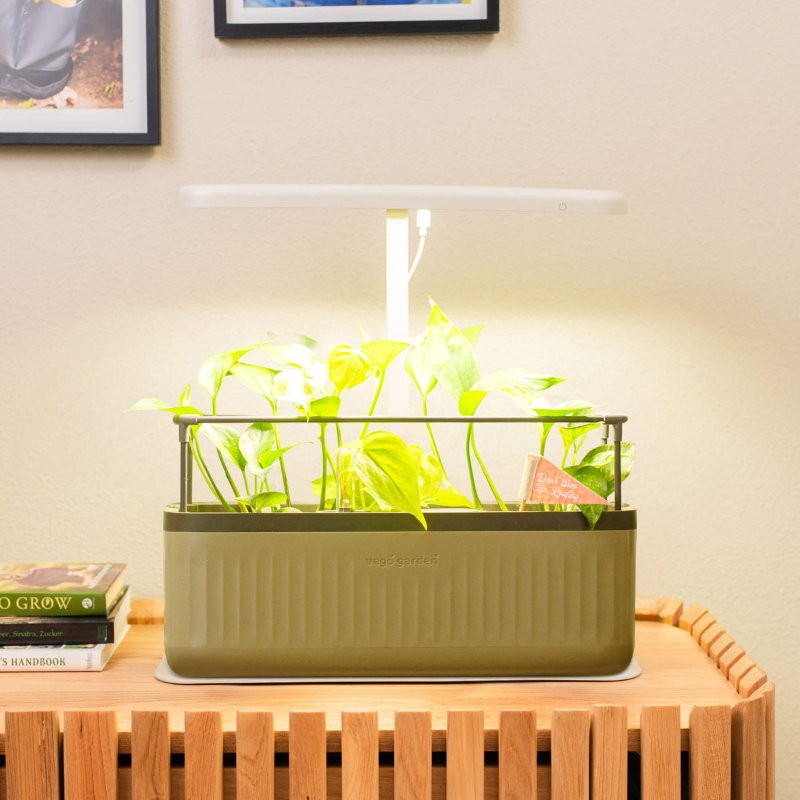
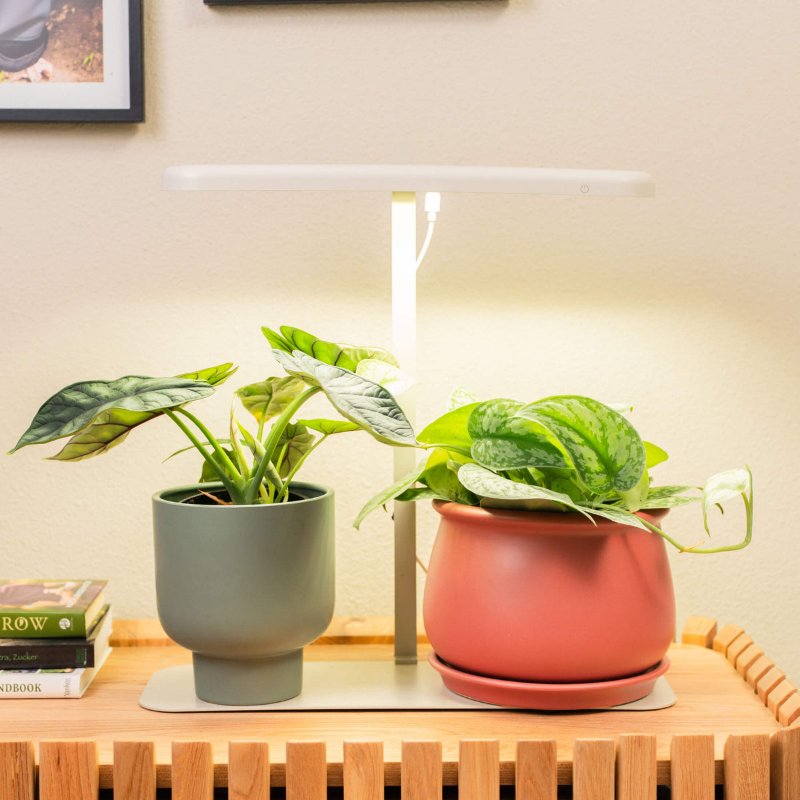
Most herbs want six hours of bright light a day, and a winter window often gives you less. A south-facing window is best. If yours is dim, a simple grow light on a timer for about twelve hours a day fills the gap. I’m a huge believer in grow lights, and I have a ton of them because they can be adjusted for dim or strong light and for how long they run. I use Vego Garden’s lights and love them, and I love all of their products, so it’s worth browsing the whole Vego Garden shop. The 2-tier grow light stand gives you two levels for pots, the 2-tier tabletop grow light fits right on a counter, and they’ve got a standalone grow light for a single pot. A couple of less expensive options from Amazon work well too, since you can place them around the house wherever a plant needs them: the Barrina T5 grow lights and the iGrowtek 2-foot grow light. If you’re starting from scratch, the Vego Garden indoor grow kit is a good place to begin. Rotate the pots a quarter turn every few days so the plants don’t lean toward the glass.
Pick the right window
A south-facing window gives the most light through winter and suits sun lovers like rosemary, thyme and oregano. An east window gets gentle morning sun that parsley, chives, and mint handle well. West windows get hot afternoon light that can scorch tender leaves, and north windows are usually too dim for anything but a grow light. On cold nights, slide pots a few inches back from the glass, since leaves that touch chilly glass can get damaged. My biggest window faces north, so that’s usually where my herbs live when they’re not out on my back screened porch, and grow lights are what make the herbs away from windows work.
Choose the right pot and soil
Use pots with drainage holes and a saucer underneath. A light potting mix made for containers drains better than garden soil, which turns hard and soggy indoors. Terracotta breathes and forgives overwatering. Plastic holds moisture longer, which helps if you tend to forget.
The herbs that do best
Basil. It’s the fussiest one on this list but the most rewarding. Give it your sunniest spot and keep it away from cold glass. Pinch the tops often so it grows bushy instead of leggy. See my basil growing guide.
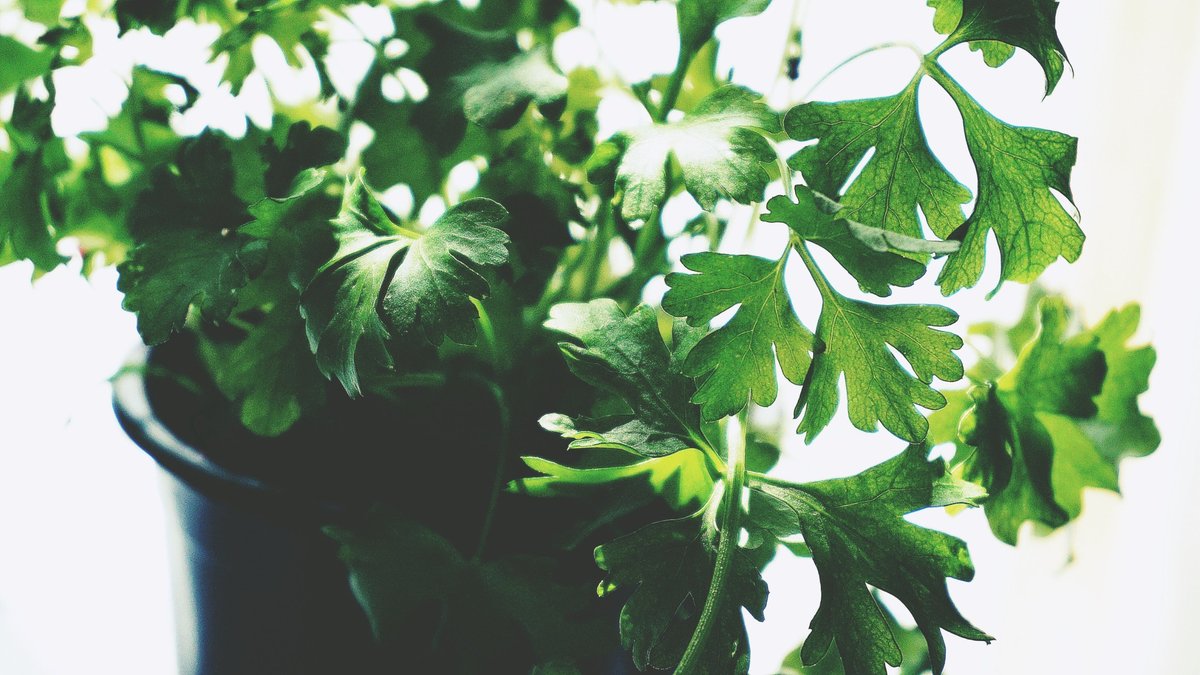
Parsley. It grows slowly but steadily and tolerates cooler rooms. Snip the outer stems first, and the center keeps growing. See my parsley growing guide.
Chives. They’re nearly foolproof. Snip them down to an inch, and they come back. They need less light than most herbs. See my chives growing guide.
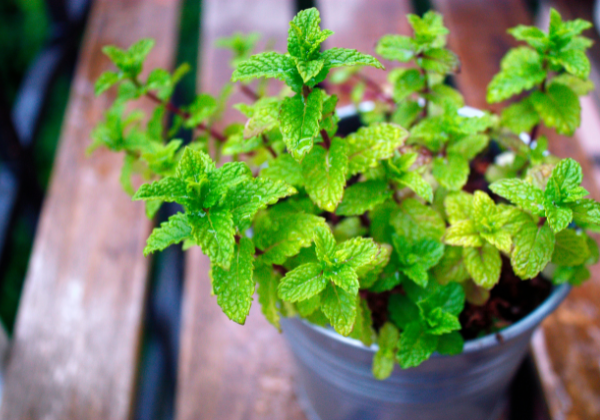
Mint. It thrives in a pot, where it can’t take over your garden. Keep the soil evenly moist. I’m one of the few people who can kill mint outdoors, which takes a special talent, so if I can’t manage it, a pot indoors might be your best bet. See my mint growing guide.
Thyme. It wants lots of light and very little water. Let the soil dry between drinks. My thyme guide has more detail.
Oregano. It’s tough, and it keeps its flavor when it’s a little stressed. Give it good drainage and plenty of sun. Here’s my oregano guide.
Rosemary. It’s picky indoors because it hates wet feet and dry air. Water only when the top inch is dry, and don’t crowd it. A little airflow helps. See my rosemary growing guide.
Cilantro. It bolts in warm rooms, so keep it cool and replant every few weeks. My cilantro guide covers how to beat bolting.
Watering and feeding
Most indoor herb trouble comes from too much water. Stick a finger in the soil, and water when the top inch feels dry. Feed lightly every month or so with a gentle liquid fertilizer, and skip it entirely if the plant looks happy.
Humidity and airflow
Dry indoor air stresses most herbs, so group your pots together, since plants raise the humidity around each other. A shallow tray of pebbles with a little water underneath helps too, as long as the pot sits on the pebbles and not in the water. Skip misting thyme, rosemary, and oregano, which prefer drier conditions, and give every pot some air movement from a ceiling fan or an open door nearby so leaves don’t stay damp and develop mildew.
Harvest the right way
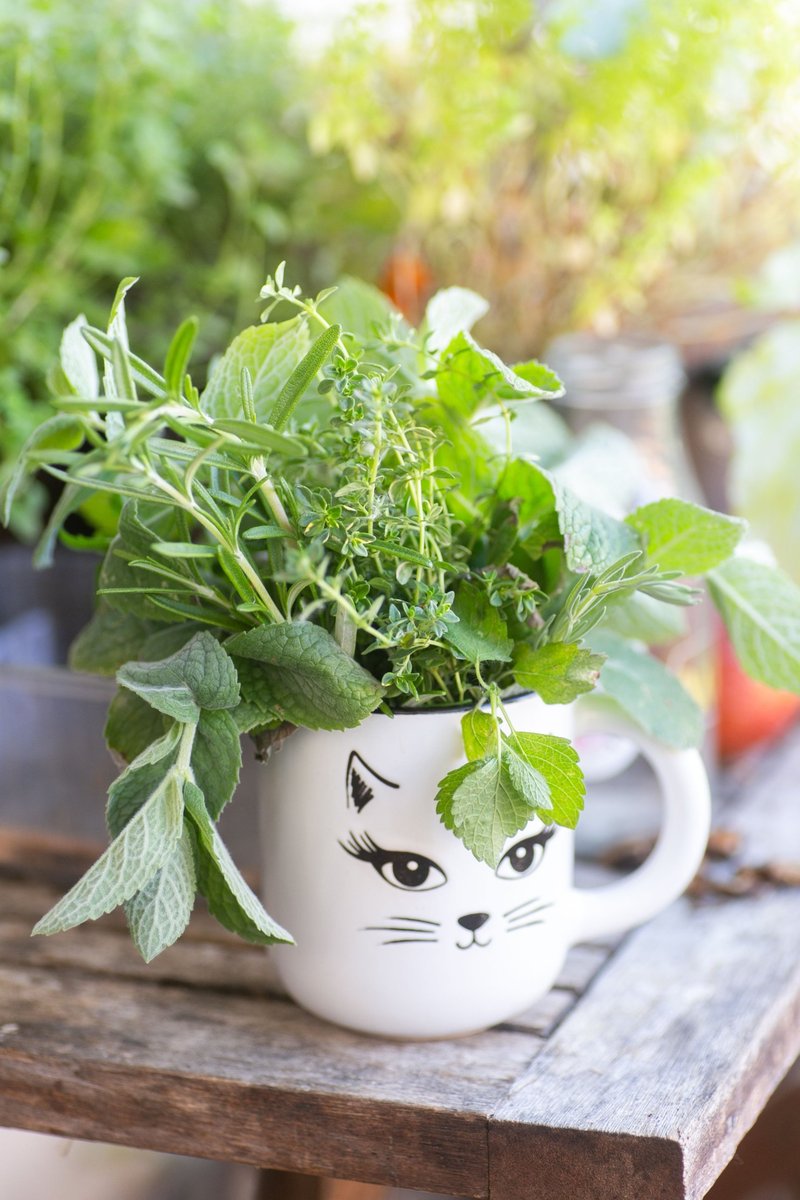
Regular snipping is the secret to bushy herbs. Cut just above a pair of leaves with clean scissors, and never take more than about a third of the plant at once. With basil, pinch off any flower buds as soon as you see them so the plant keeps making leaves. A plant that gets picked often grows fuller, and one that’s left alone gets leggy.
When something goes wrong
Tall, spindly stems with small pale leaves almost always mean not enough light, so move the pot closer to the window or add a grow light. Yellow leaves usually point to overwatering, so let the soil dry out and check that the pot drains. Tiny flies buzzing around the soil are fungus gnats, and letting the top inch dry between waterings usually breaks the cycle. Brown leaf tips often come from dry air or from too much fertilizer, so back off the feeding and raise the humidity.
A note for pet owners
If you have a dog like Byron, check each herb on the ASPCA’s plant list before you set pots where a nose can reach them. Byron loves the smell of rosemary bushes, so I’ll see how he does with it indoors this year. He’s also taken up digging lately, so I have to be careful with the pots on my porch.
Moving herbs outside in spring
When the weather warms and the last frost has passed, your indoor herbs can head outdoors. Don’t move them all at once, because a plant that’s been inside all winter can scorch in full sun. Set the pots outside in a shady spot for a few hours, then gradually increase the time and sun over about a week to ten days before planting or leaving them in their containers. If you’re sketching out your outdoor beds, I’m putting together a 2027 garden prep guide for North Florida that walks through the whole winter checklist, so watch for it soon.
Make it a habit
Keep your herbs near the kitchen so you actually use them. A few snips into dinner each night keeps plants bushy and your meals tasting fresh. If you’re planning ahead for outdoor beds, my fall gardening guide for North Florida is a good next read. Which herb are you going to try first?