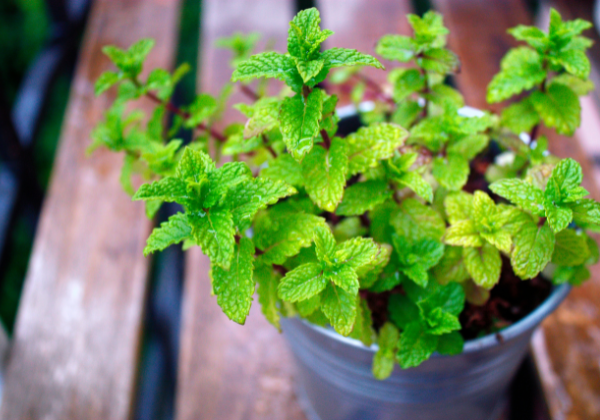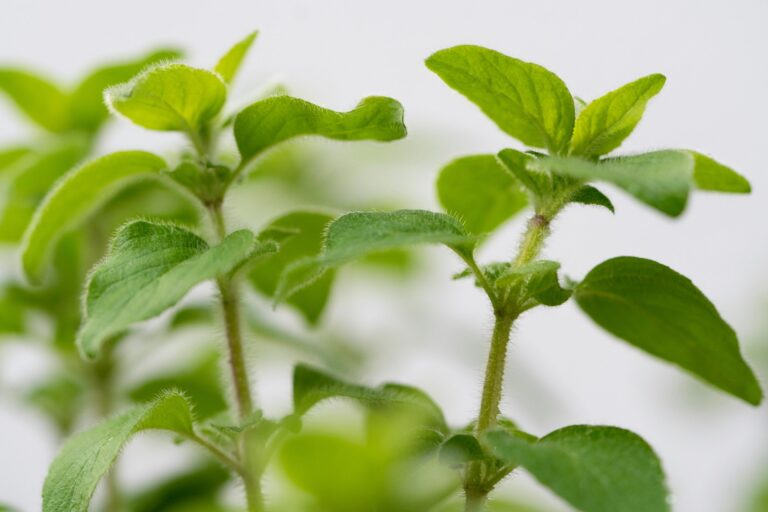
Basil: Discover the Magic of Growing this Versatile Herb
Let’s just say it: no other herb pulls this much weight in the kitchen. Basil is the herb that turns a sad jar of marinara into an actual sauce, makes a caprese salad feel fancy for about $4 in ingredients, and — yes — makes a genuinely excellent martini (more on that in a minute). It smells incredible, tastes even better, and it turns out this little green powerhouse is quietly doing wonders for your health while you’re not looking. Grow it indoors, grow it outdoors, pair it with half the plants in your garden — basil is remarkably easy, once you know what it actually wants.
Let’s get into why you need this in your garden, how to keep it thriving, and — because I have strong opinions — my favorite varieties to grow.
This blog provides general information and discussions about health and related subjects. The information and other content provided in this blog, website, or in any linked materials are not intended and should not be construed, or used as a substitute for, medical advice, diagnosis, or treatment. Please read the Health and Medical Disclaimer HERE


Benefits of Basil
Basil isn’t just doing a job in your pasta — it’s quietly anti-inflammatory, antibacterial, and loaded with antioxidants. It’s been known to help with everything from a stubborn cold to chronic aches like osteoarthritis, and it can even help keep blood sugar in check, thanks to phytochemicals doing damage control against free radicals. So next time you’re twirling basil into your pasta, feel free to tell yourself it’s basically self-care. Flavor and function — she does it all.
Versatility of Basil
Basil shows up everywhere — Italian sauces, Thai curries, and (my personal favorite use) cocktails. A Grapefruit Basil Martini is criminally refreshing and I will die on this hill.
Use it fresh or dried depending on the recipe, or go all in and make your own pesto with basil, garlic, pine nuts, and Parmesan. Your taste buds will send a thank-you note.
Why Grow Basil in Your Garden?
Growing basil is refreshingly low-effort once you know the basics — a little care goes a long way toward an endless supply of aromatic, fresh leaves.
Basil loves sun and warm weather, which makes it perfect for the Emerald Coast (or any small, sunny windowsill if you’re tight on space) — it’s a great fit for small-space gardening, pots included.
It’s an annual, so you’re replanting every season, but that’s a small price for a nonstop supply of pesticide-free basil that costs a fraction of what you’d pay at the store. Harvest, dry, and store it, and you’ll barely remember what store-bought basil tastes like.
How to Maintain Basil in Your Garden
The secret to a thriving basil plant: water consistently — moist, not soggy, since nobody wants root rot — and harvest often.
Pinch off the tops before it flowers to keep the leaves coming and the flavor concentrated; basil actually wants to be picked, which makes it the rare plant that rewards you for bothering it. Prune regularly to keep it bushy instead of leggy.
A little bit of care goes a long way — treat it right and you’ll have fresh basil all season long.
Companion Plants for Basil
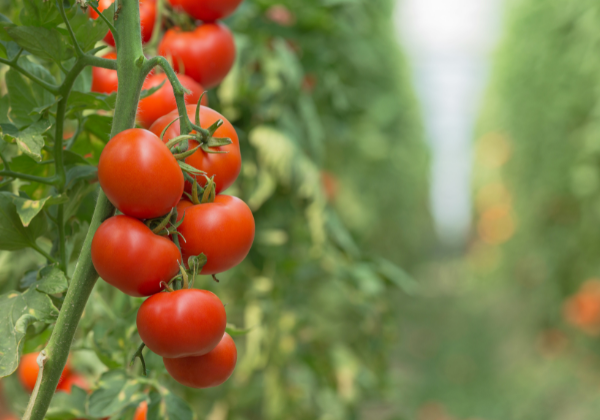
Basil isn’t just a team player in the kitchen — it’s basically the garden’s built-in pest control, deterring mosquitoes and flies while protecting its neighbors. It’s especially close with tomatoes, peppers, and eggplants, and it gets along famously with borage too.
Want to go deeper on plant besties? → Companion Planting: How to Make Your Plants BFFs
My Favorite Varieties of Basil
Basil comes in more varieties than you’d think, each with its own aroma, flavor, and perks. Here are the ones that have earned a permanent spot in my garden (and my glass):
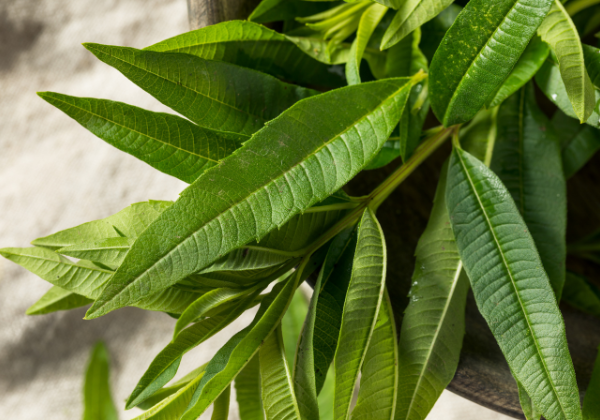
- Lemon Basil: Smells like lemon, tastes slightly sweet, and makes summer salads, roasted vegetables, and marinades taste like you tried harder than you did. Bonus: it’s a natural insect repellent with antibacterial properties, so it’s doing double duty out there.
- Lime Basil: A little tangy, distinctly citrusy, and perfect in cocktails, sauces, and salads. It also happens to help with inflammation and digestion — proof that the garden occasionally rewards good taste with good health.
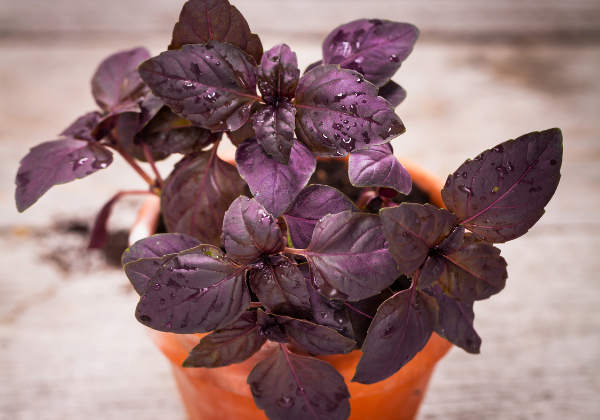
- Cardinal Basil: A stunning reddish-purple variety with a sweet, spicy flavor that makes pasta, tomato sauce, and pizza look as good as they taste. It’s also a solid source of vitamin K for bone and brain health — basically a superfood with main character energy.
- Sweet Basil: The classic — strong, fragrant, and the one basil most people picture when they hear the word. It’s the workhorse behind most pasta, pizza, and seafood dishes, plus it brings anti-inflammatory benefits and supports healthy skin and hair.
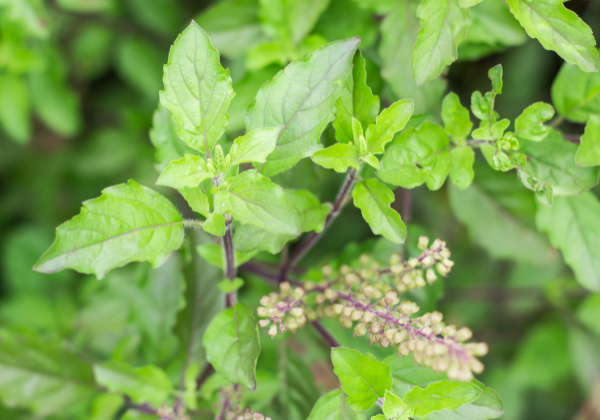
- Holy Basil: Also known as tulsi in Ayurvedic tradition, this one’s spicy, clove-like, and considered sacred for good reason — it shows up in curries, soups, and stir-fries, and is known to reduce stress, boost immunity, and lower cholesterol. I take a Holy Basil supplement daily, because between real life and running a garden blog, sometimes you need backup.
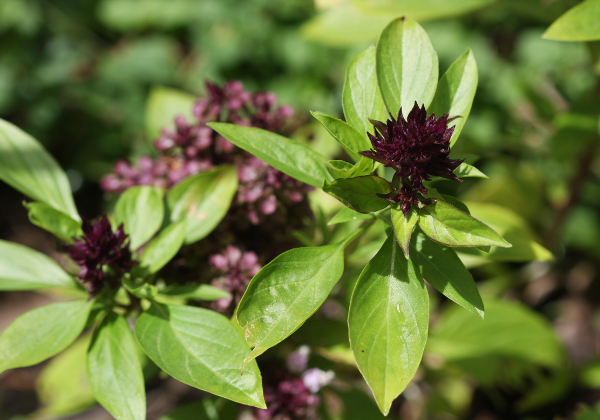
Basil might be the lowest-effort, highest-reward plant in your whole garden — a little sun, a little water, a lot of pinching, and you’ve got a nonstop supply of the ingredient that makes everything taste better.
Okay, your turn: what’s your basil ride-or-die — pesto, a caprese salad, or are you also secretly obsessed with basil cocktails? Tell me in the comments, I need more excuses to make that martini.