Growing Cilantro: How to Beat Bolting and Keep the Harvest Coming
This guide to growing cilantro contains affiliate links, which means I may earn a small commission at no extra cost to you. I only recommend things I genuinely use and love, and I truly appreciate you supporting my small business. 💚 See my disclosure page for details.
Cilantro is the herb that divides people right down the middle. You either love its bright, citrusy punch or swear it tastes like soap (and that’s a real genetic quirk, not just pickiness). I’m firmly on team cilantro, and growing cilantro at home is one of my favorite fall garden rituals, because fresh cilantro from the yard tastes nothing like the wilted bunch from the grocery store.
The catch? Cilantro has a reputation for bolting the second you turn your back. The good news is that with the right timing and a little rhythm, you can keep the harvest coming for months. Here’s everything I’ve learned about growing cilantro on the Emerald Coast.
What Is Cilantro?
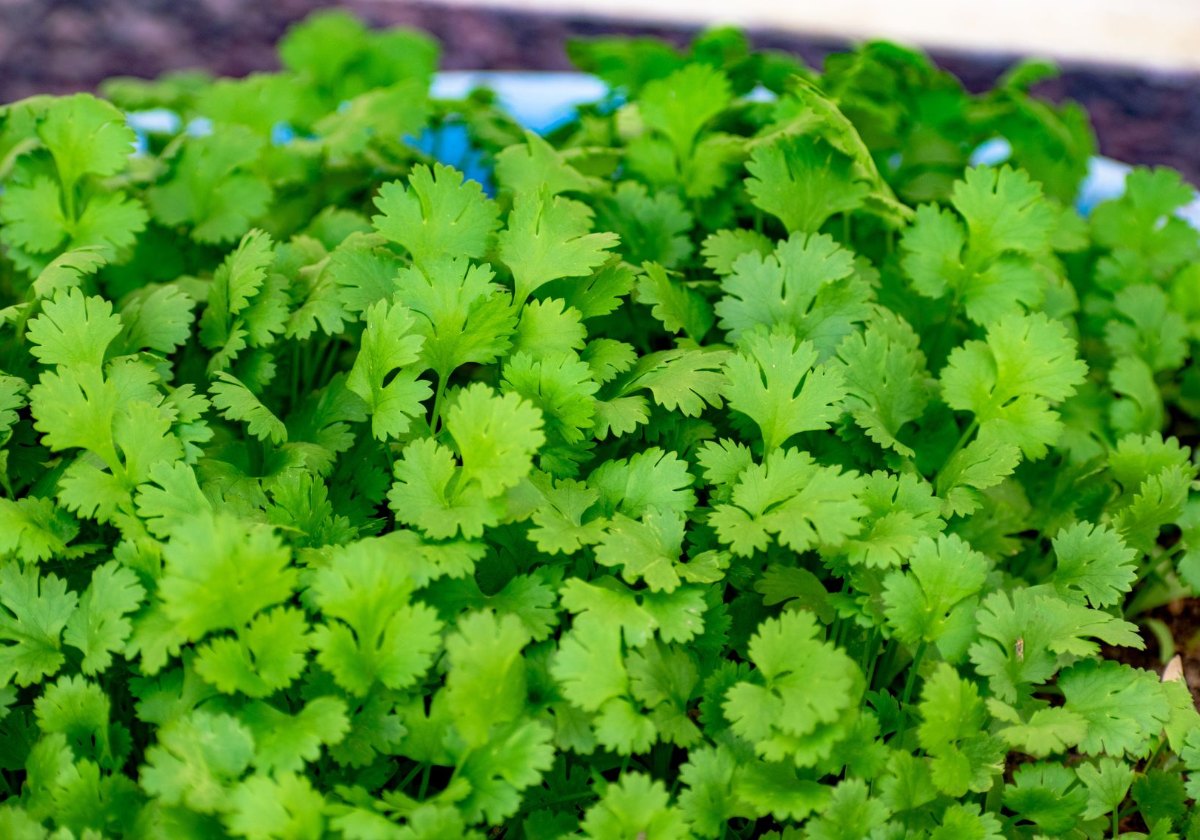
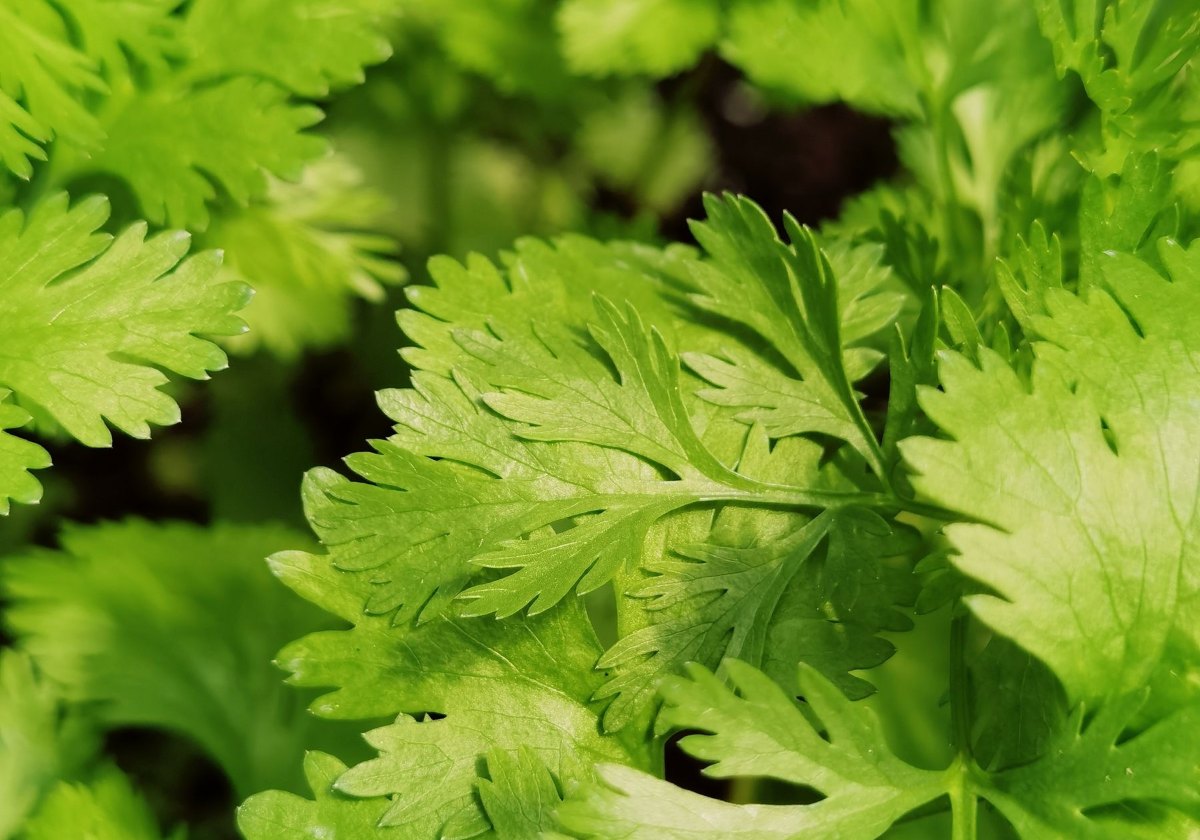
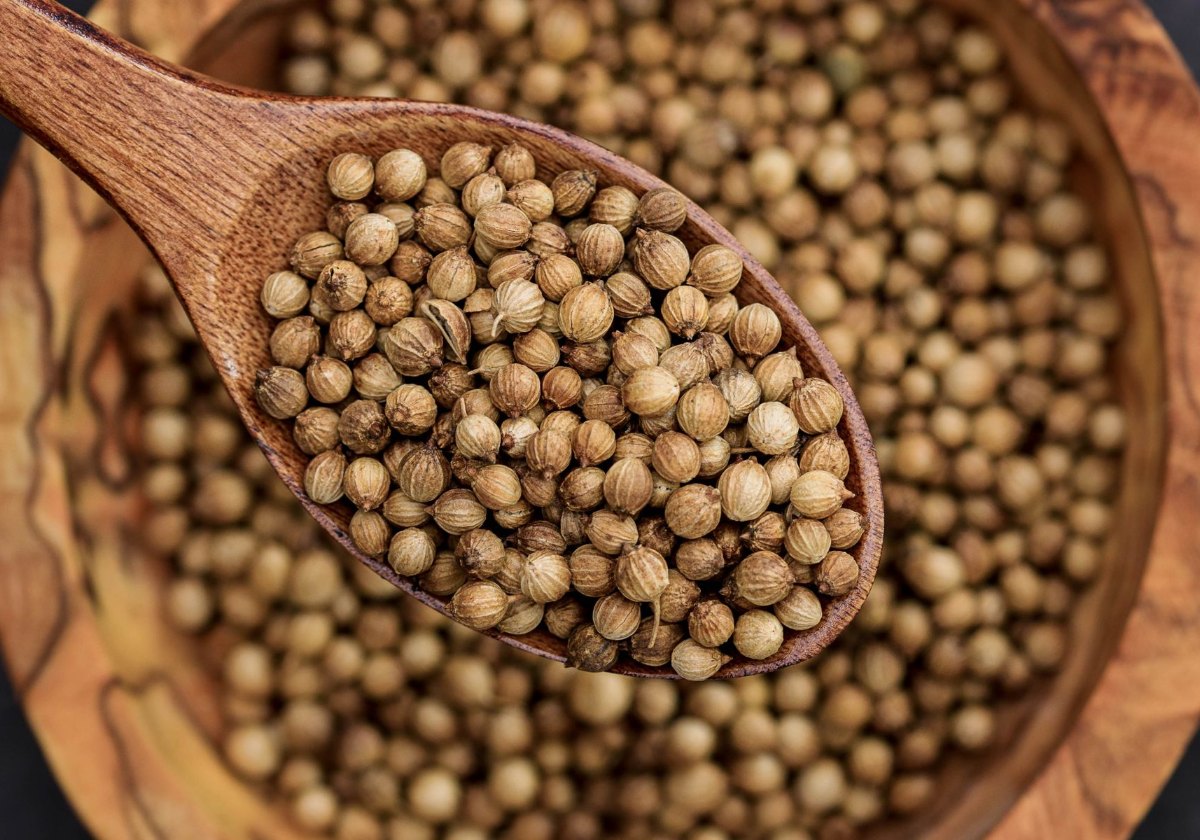
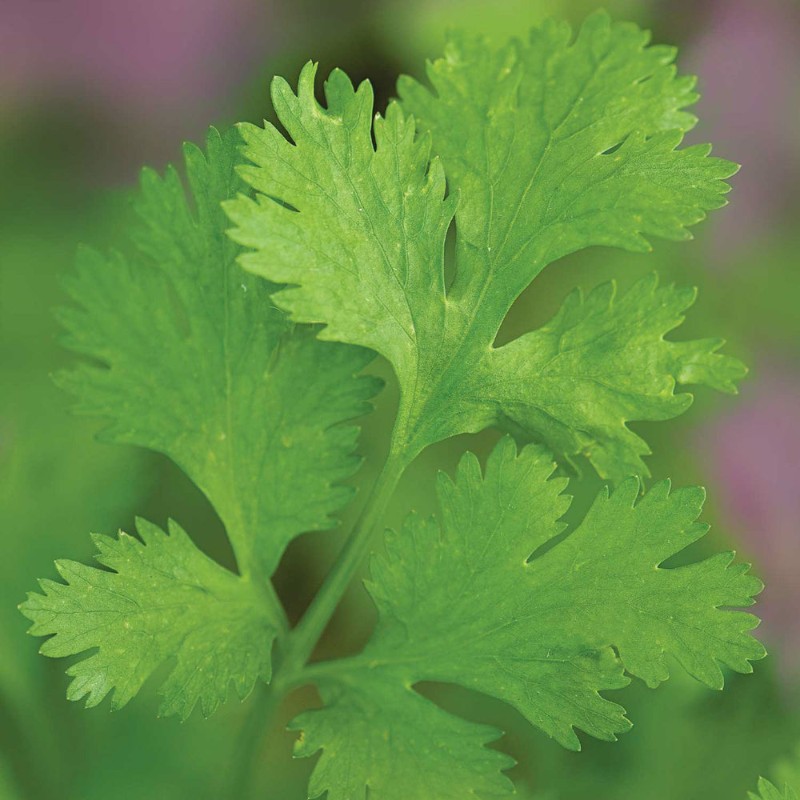
Cilantro (Coriandrum sativum) is a fast-growing annual in the carrot family, the same family as dill and parsley. Here’s the fun part: the same plant gives you two completely different ingredients. The leaves are cilantro, and once the plant flowers and goes to seed, those seeds are coriander. It’s a staple in Mexican, Southeast Asian, and Indian cooking, prized for a bright flavor that some people (because of a variation in their smell receptors) taste as soapy instead.
Why Grow Cilantro?
For Your Kitchen
Store-bought cilantro wilts in what feels like minutes. When it’s growing a few steps from the kitchen, you can snip exactly what you need for salsa, guacamole, tacos, curries, or a bowl of pho, and it tastes noticeably brighter.
Two Harvests From One Plant
When cilantro eventually bolts, you get a bonus crop of coriander seeds for spice blends, pickling brines, and baking, plus seeds to replant next season. Very few herbs pull double duty like that.
For Your Garden Ecosystem
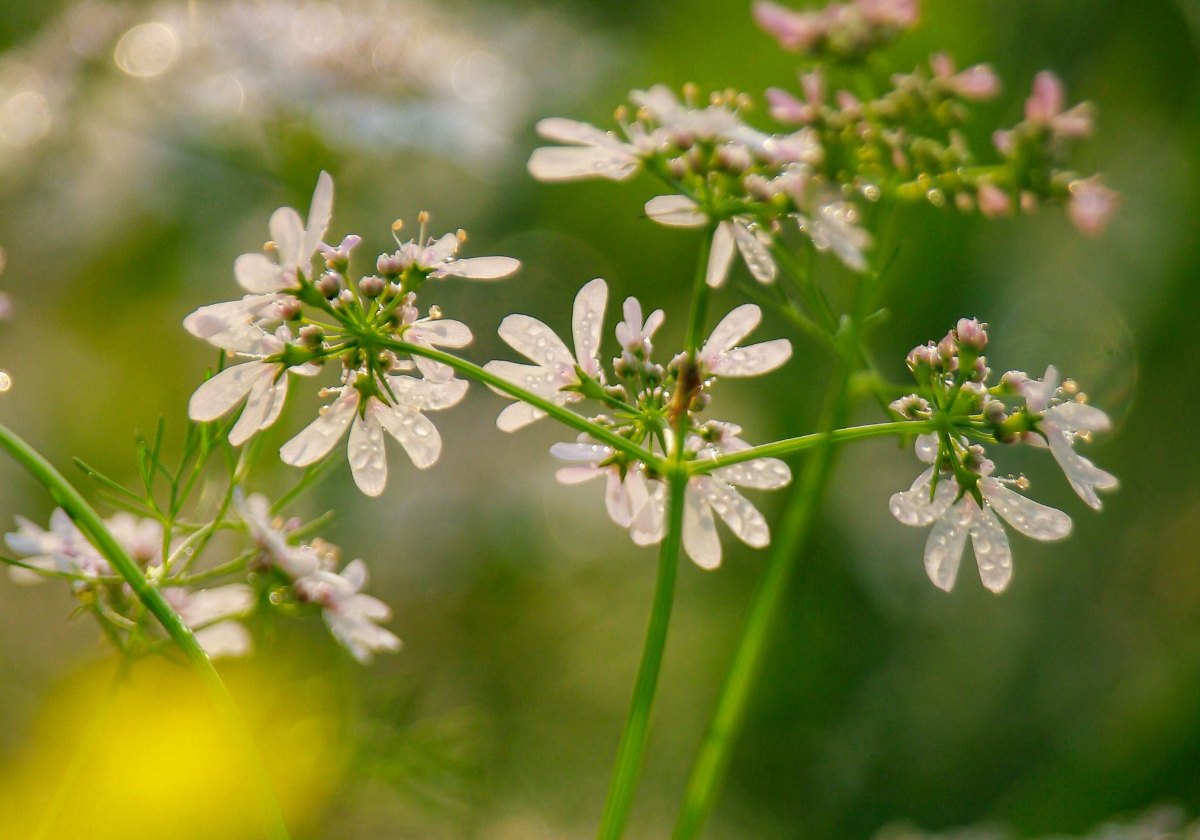
Once it flowers, cilantro’s lacy white blooms draw in ladybugs, hoverflies, and tiny beneficial wasps that help keep aphids in check. Plant it near tomatoes and spinach, and let a few plants flower on purpose. (If you love pollinator-friendly herbs, borage is another must-grow.)
Growing Cilantro: What You Need to Know
Sun & Soil
Give cilantro full sun during the cooler months and a bit of afternoon shade as temperatures climb. It likes rich, well-drained soil that stays evenly moist, and a little compost worked in before planting goes a long way.
Planting from Seed
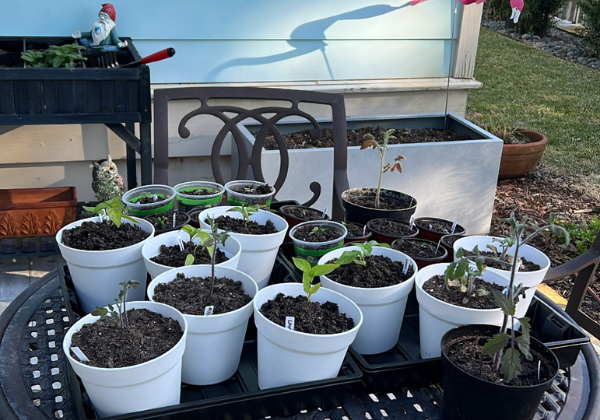
Sow seeds directly where you want them to grow. Cilantro has a taproot and sulks when it’s transplanted, which can push it to bolt early. Plant seeds about ¼ inch deep and 2 inches apart, then thin seedlings to 6 inches. Gently crushing the round seed husks before sowing can help them sprout faster.
Succession Planting: The Real Secret
Because cilantro has a short productive window, the key to a steady supply is sowing a small batch every two to three weeks. It forces you to garden a little differently, in small, frequent rounds instead of one big planting, but that rhythm has really grown on me. A young patch is always coming in as the older one starts to flower.
Watering & Care
Keep the soil evenly moist and don’t let it dry out. Drought stress is one of the fastest ways to trigger bolting. If you’re tired of fighting the calendar, look for slow-bolt varieties like ‘Calypso‘ or ‘Santo,’ which buy you extra weeks of tender leaves.
Growing Cilantro in Florida
In the Florida Panhandle, cilantro is a cool-season crop (our local UF/IFAS Extension agrees), and that’s what makes fall so exciting. A few tips for our climate:
- Start sowing in late September or October once the worst of the heat breaks, and keep going through early spring.
- Our mild winters mean you can harvest right through the cooler months, and cilantro shrugs off a light frost.
- By late spring, the heat will win, and your plants will bolt. That’s your cue to let them flower and collect coriander seeds.
- Short on garden space? Cilantro grows well in a deep container. Here’s my list of the best herbs for container gardening.
Harvesting Cilantro
Cilantro grows fast, and you can usually start harvesting within three to four weeks of sowing. Snip the outer leaves and stems about an inch above the soil and leave the center to keep producing. Harvest often, since regular cutting encourages fresh growth and can help delay bolting.
Storing Cilantro & Saving Coriander Seeds
Cilantro doesn’t hold its flavor well when dried, so use it fresh or freeze chopped leaves in ice cube trays with a little water or olive oil. For a few days in the fridge, stand the stems in a glass of water like a bouquet with a loose bag over the top. When a plant bolts, let the seed heads turn brown and dry on the stem, then clip them into a paper bag and store the coriander seeds in an airtight jar.
How to Use Cilantro
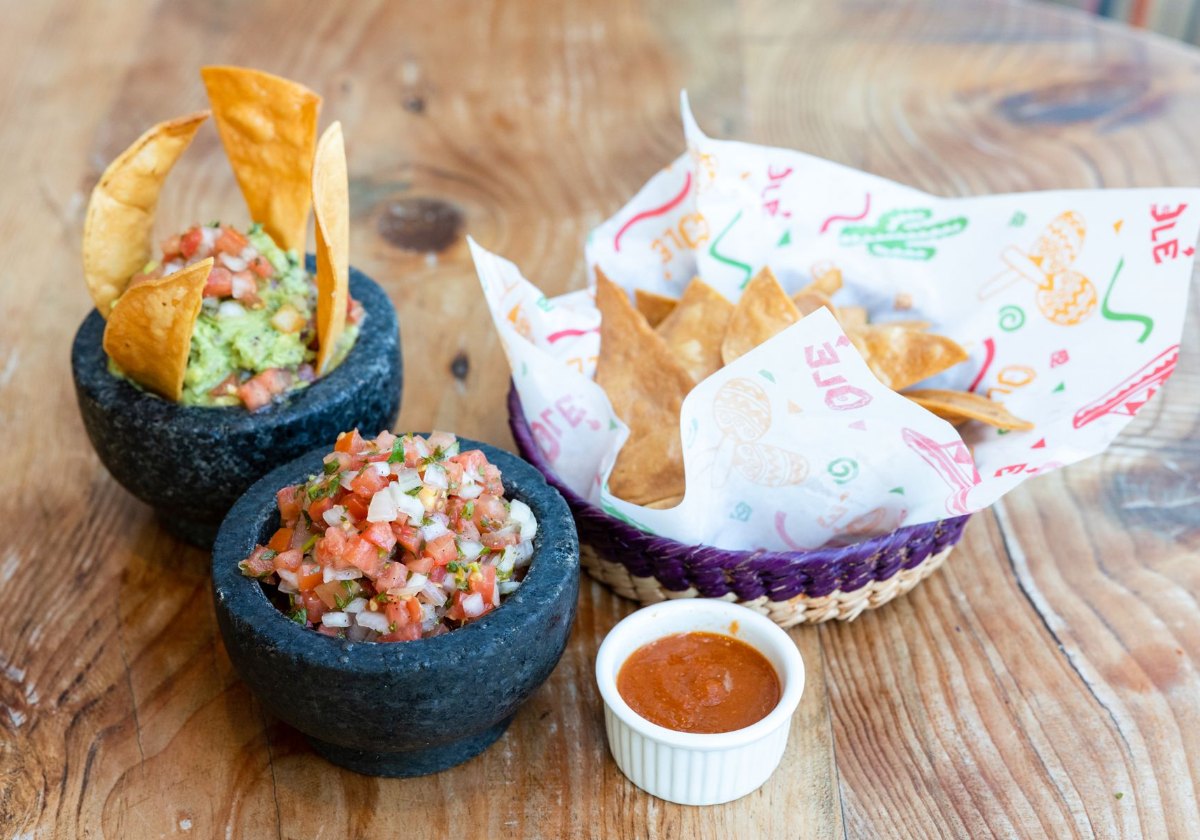
- Fold into fresh salsa, pico de gallo, and guacamole
- Pile onto tacos, burrito bowls, and grilled fish
- Finish curries, pho, and noodle bowls with a handful of leaves
- Blend into a bright cilantro-lime dressing or chimichurri
- Toast and grind coriander seeds for spice rubs and pickling brines
- Use the tender stems too, since they’re packed with flavor
Companion Herbs to Grow Alongside Cilantro
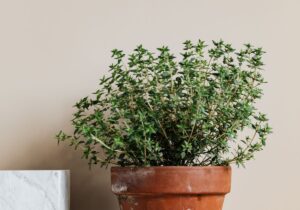
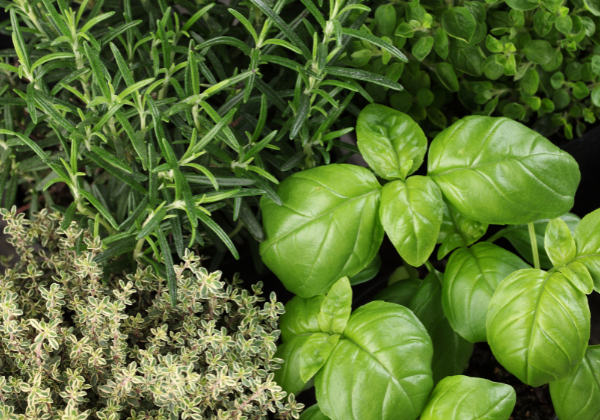
Cilantro loves the same cool-season window as dill and chives, and it pairs beautifully with basil once the weather warms. For a totally different kind of herb that thrives in heat and drought, check out my guide to growing thyme.
The Bottom Line on Cilantro
Cilantro isn’t difficult, it’s just particular about timing. Plant it in the cooler months, sow a little every few weeks, keep it watered, and when it finally bolts, let it give you one last gift of coriander seeds. Nothing beats snipping fresh cilantro right before dinner instead of settling for the sad bunch at the store.
If you’ve struggled with cilantro in the past, fall is the perfect time to try again. Grab a packet of slow-bolt seeds, find a sunny spot, and start your first batch this week.
Shop This Post
Ready to start your first batch? These are the slow-bolt and seed-saving varieties I recommend for growing cilantro through a Florida fall and winter.
Calypso Cilantro Seeds (Burpee)
$8.45 · Shop
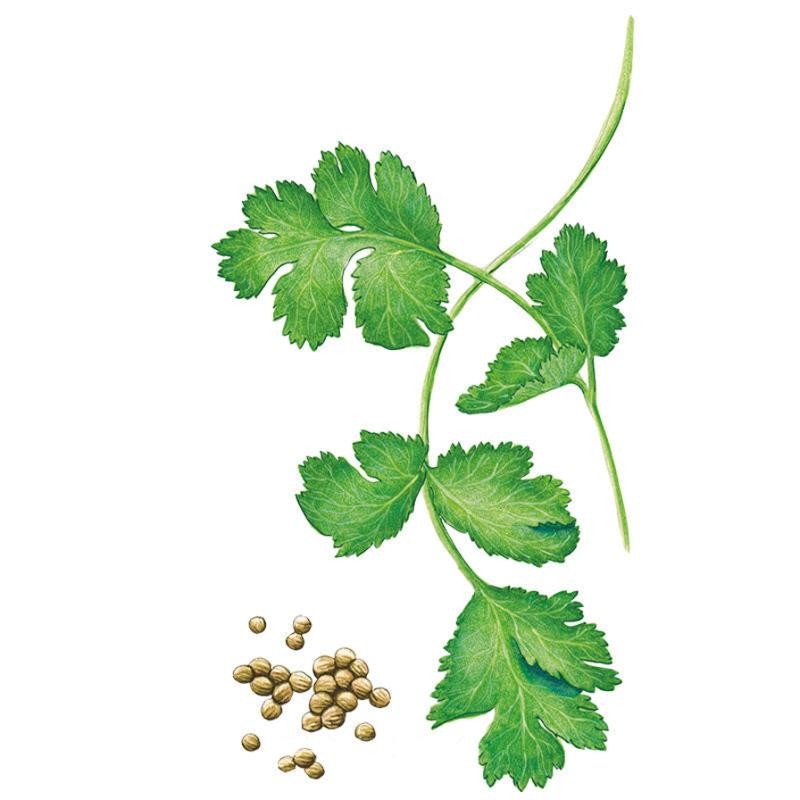
Long Standing Santo Cilantro (Botanical Interests)
$5.49 · Shop
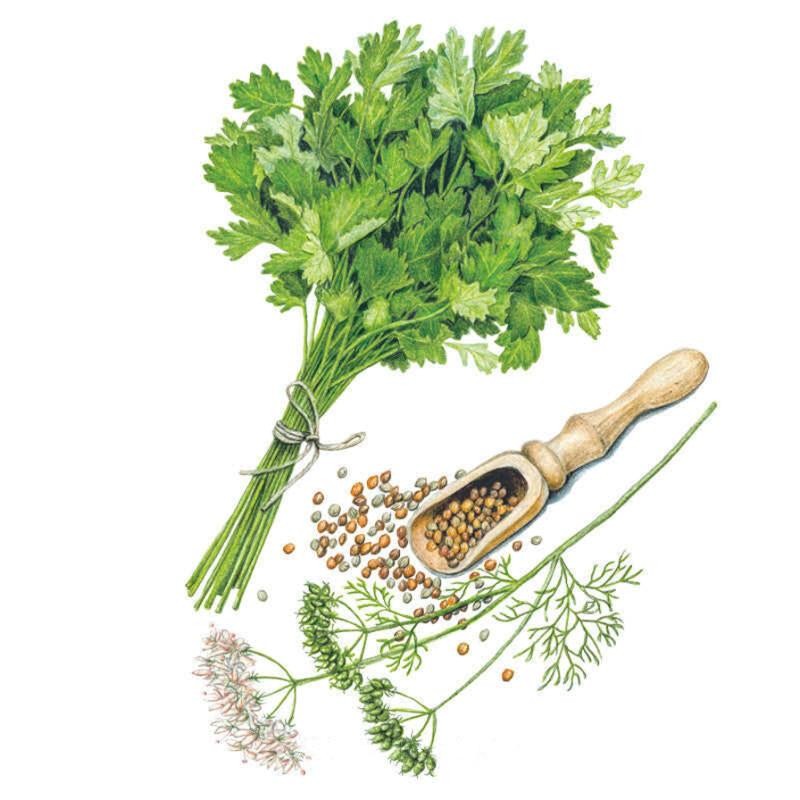
Moroccan Cilantro/Coriander (Botanical Interests)
$5.49 · Shop
Looking for more of my favorite seeds, raised beds, and garden tools? Browse my Garden Favorites.
Are you team cilantro or team it-tastes-like-soap? Drop a comment below and tell me where you land, or tag me @cultivateandnavigate with what you’re cooking. And if you found this guide helpful, save it to your herb garden board on Pinterest!