Evergreen Elegance: Growing Rosemary in the Garden
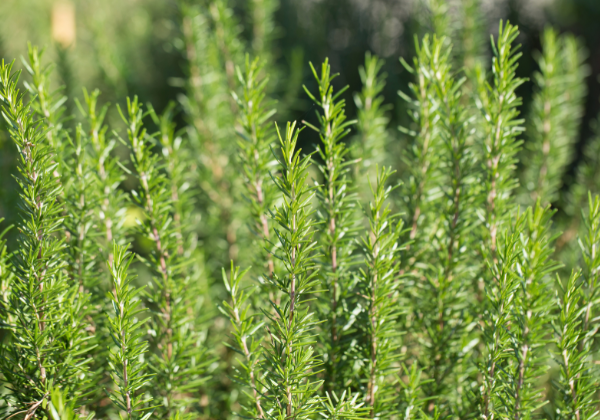
If you only grow one herb for the vibes, make it rosemary. Its woody stems and piney, needle-like leaves don’t just season everything from roast chicken to focaccia — they make your whole garden smell like you have your life together.
How do you get this thing from a tiny cutting to a full, fragrant shrub? What’s its deal with companion planting, and does it actually do anything for your health, or is that just marketing? Let’s get into it — rosemary earns its spot, and I’ll show you why.
This blog provides general information and discussions about health and related subjects. The information and other content provided in this blog, website, or in any linked materials are not intended and should not be construed, or used as a substitute for, medical advice, diagnosis, or treatment. Please read the Health and Medical Disclaimer HERE
Rosemary in the Garden Kingdom
A garden without rosemary just feels incomplete — it’s the reliable friend who shows up for your vegetables and makes your cooking better without asking for much in return.
The Why behind Rosemary
Why bother growing rosemary? Pick a reason: it’s a cornerstone of Italian and Mediterranean cooking, a solid companion plant, a natural pest deterrent, and it smells incredible while doing all of it. It even shows up in skincare and floral arrangements. Basically, rosemary refuses to just do one job.
The Radiant Rosemary: Benefits Galore
A Culinary Luminary
In the kitchen, rosemary’s bright, piney flavor makes everything better — roasted meats, vegetables, sauces, stews, you name it. Fresh or dried, it brings a depth nothing else quite replicates.
Need some inspiration? Check out 18 Fresh Rosemary Recipes to Make the Most of Your Herb Garden from Southern Living.
A few of my go-tos: a Lemon, Rosemary, and Garlic Chicken sheet pan meal, and a Rosemary and Lavender Leg of Lamb. And don’t sleep on rosemary in drinks — a Grapefruit and Rosemary Mimosa in spring, Vanilla-Rosemary Lemonade on hot summer days, and Apple Cider and Rosemary Mimosas come fall. It’s basically a whole beverage program.
An Herbal Ally in Health
Rosemary shows up for your health too — it’s loaded with antioxidants and anti-inflammatory compounds, and it’s been linked to better digestion and sharper thinking.
It’s got a longstanding reputation for boosting memory and focus, and the scent alone has a genuinely calming effect — no surprise it’s an aromatherapy favorite.
Brewed as tea, it doubles as a gentle digestive aid and an all-around soother. People have leaned on rosemary for this for generations, and it turns out they were onto something.
Using Rosemary in the Home and Garden
Rosemary’s usefulness doesn’t stop at the plate. Infuse it into oils or vinegars, work it into homemade cleaners, or let it help deter unwanted insects. In the garden, it can hold back competing plants while supporting its neighbors — basically the Swiss Army knife of your herb bed.

Propagating and Growing Rosemary From Seed
From Cuttings to Clones
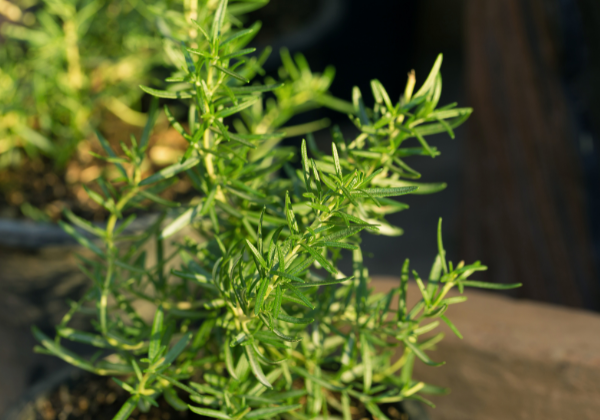
Propagating from cuttings is the easiest, most reliable route — water or straight into soil, your call.
Take a 4-6 inch cutting from a healthy rosemary branch and remove the lower leaves. Make sure the cutting isn’t a woody stem.
For water propagation, place the cutting in a jar or cup making sure that none of the leaves are submerged. Tap water has worked perfectly fine for me, but you can always use filtered water. After a few weeks, you should see roots developing.
To propagate in soil, simply plant the cutting in a mix of well-draining potting soil and perlite. Some recommend dipping the end in rooting hormone for faster rooting. That is an optional step, but not a necessity. Water sparingly and place in a warm, sunny spot.
Growing from Seed: Patience is a Virtue
Starting from seed? Bring patience. Rosemary is famously slow to germinate.
To start from seed outdoors, sow on the surface of the soil, press down gently, and keep the area moist—germination can take around 14 – 21 days. Consider starting seeds indoors if your region has a short growing season. Even in the Panhandle of Florida (Zone 8b), I prefer to start seeds indoors.
To start seeds indoors, choose a seed tray with drainage holes and a cover to maintain humidity. Plant no more than two seeds per cell to give them the space to sprout. Mist the soil lightly and keep it moist, not soggy. Rosemary has somewhat finicky seeds that may take a while to germinate. Transplant when seedlings are a few inches tall, leaving at least 18 inches between each plant to accommodate its growth.
Planting and Maintaining Rosemary
Sowing the Seeds of Success – When to Plant?
When is the best month to plant rosemary? Spring is the perfect time – when the weather is mild and the soil is workable and has warmed. Make sure to plant after any chance of frost has passed. Planting rosemary in early spring allows you to maximize the entire growing season, but you can also plant it in late spring or early summer. Container-grown rosemary can be planted year-round. However, rosemary does become dormant in winter. Therefore, planting it between spring and fall tends to have optimal results.
You can also grow rosemary as a houseplant. Important to note that keeping rosemary alive inside is a bit more challenging and the plant usually doesn’t tend to live as long as an outdoor plant.
Ideal Locations and Conditions for Rosemary Growth
Rosemary prefers full sun and well-draining soil. This means planting in an area with at least 6 hours of full sun. Soil that is too rich can lead to leggy growth and a milder flavor. If you find the soil in your garden isn’t to rosemary’s liking, consider raised beds or a container to improve drainage. If you’re in a cooler climate, position rosemary near a warm wall or in a sheltered spot to provide a microclimate that mimics its native Mediterranean environment.
Tending to Rosemary
Rosemary grew up in dry, rocky Mediterranean conditions, so it’s not asking for much — water deeply but infrequently, and skip the fertilizer unless you enjoy leggy, less-flavorful growth.
Snip the stems as needed, but never more than a third of the plant at a time, to allow for regrowth. Use fresh rosemary immediately or dry it for later use; the dried herb retains much of the flavor and aroma.
Prune regularly to encourage a bushier habit and restrain its height. It’s a simple act that yields multiple benefits, not the least of which is an increase in the herb’s flavorful oils. If frost is a concern, mulch around the base of the plant to protect it. A little bit of care goes a long way, ensuring that your rosemary thrives and continues to give generously.
Discovering Rosemary’s Lifespan
Rosemary isn’t just fragrant and flavorful — it’s built to last. With decent care, a plant can live around 10 years, staying evergreen through winters that would make lesser herbs give up.
Harmonizing with Rosemary: Companion Planting
Why Rosemary Makes the Perfect Neighbor
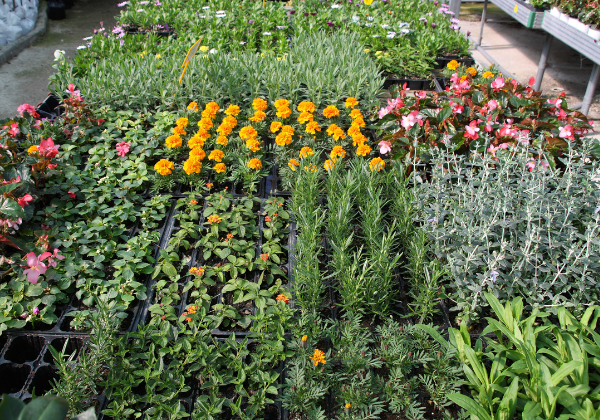
Rosemary makes an excellent neighbor. Its strong scent naturally deters cabbage moths, carrot flies, and slugs, it draws in bees and butterflies, and its dense growth shades out weeds for itself and everyone nearby.
Plants to Praise Alongside Rosemary
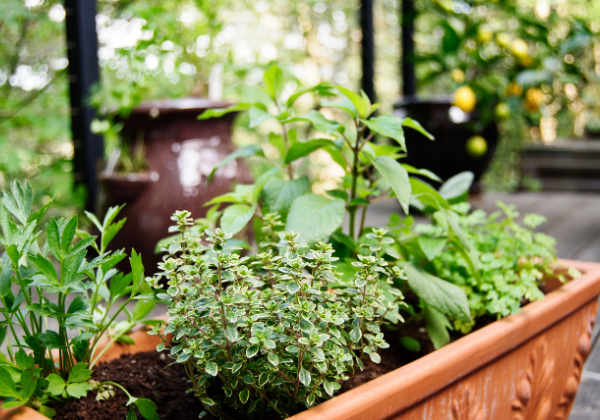
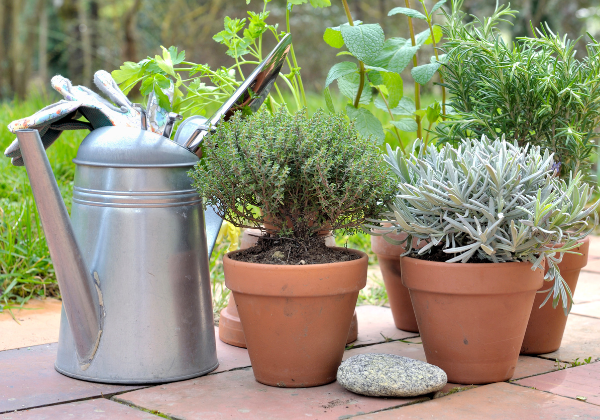
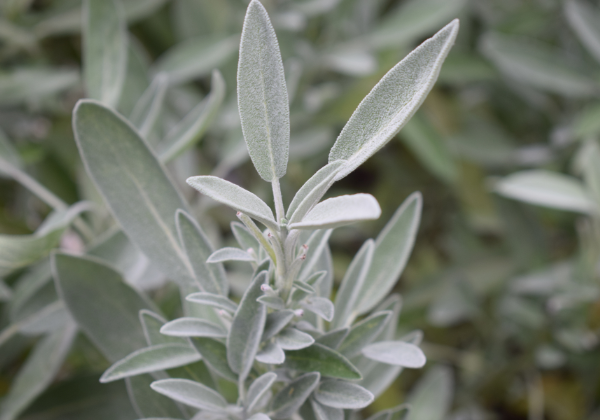
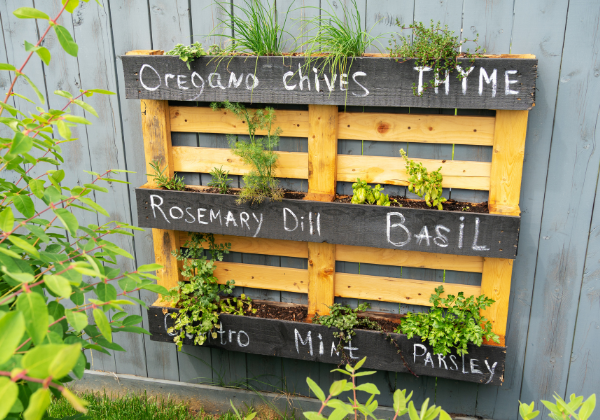
Pair it with plants that love the same sun and soil — basil, sage, thyme, oregano, and lavender are all good company, along with tomatoes, zucchini, beans, peppers, and blueberries.
What to Avoid Planting Next to Rosemary
A few plants to keep at a distance, though: fennel, cabbage, brussels sprouts, broccoli, cauliflower, and anything else that likes lots of moisture or shade.
Want the full rundown on companion planting? → Companion Planting: How to Make Your Plants BFFs
Making the Most of Rosemary
Rosemary might be the highest-reward, lowest-drama plant you add to your garden this year — useful in the kitchen, generous in the garden, and genuinely lovely to look at. Give it a shot; your cooking (and your curb appeal) will thank you.
Your turn — what’s your go-to way to use rosemary? Cooking, cocktails, a jar on the windowsill just for the smell? Tell me in the comments.