Growing Parsley: More Than Just a Garnish
This guide to growing parsley contains affiliate links, which means I may earn a small commission at no extra cost to you. I only recommend things I genuinely use and love, and I truly appreciate you supporting my small business. 💚 See my disclosure page for details.
Parsley gets treated like an afterthought, the garnish nobody eats, and honestly, that’s a shame. Growing parsley is one of the easiest wins in the herb garden. It’s happy in a pot on a shady porch, it packs more nutrition than people give it credit for, and it’s the reason I get a steady parade of swallowtail butterflies in my garden every year.
Fall is the perfect time to plant it here on the Emerald Coast, right alongside cilantro. Here’s everything I’ve learned about growing parsley, from choosing curly or flat-leaf to getting past its famously slow start.
What Is Parsley?
Parsley (Petroselinum crispum) is a biennial in the carrot family, the same family as cilantro and dill. It’s usually grown as an annual, since the first-year leaves have the best flavor. There are two main types, and they’re worth knowing apart:
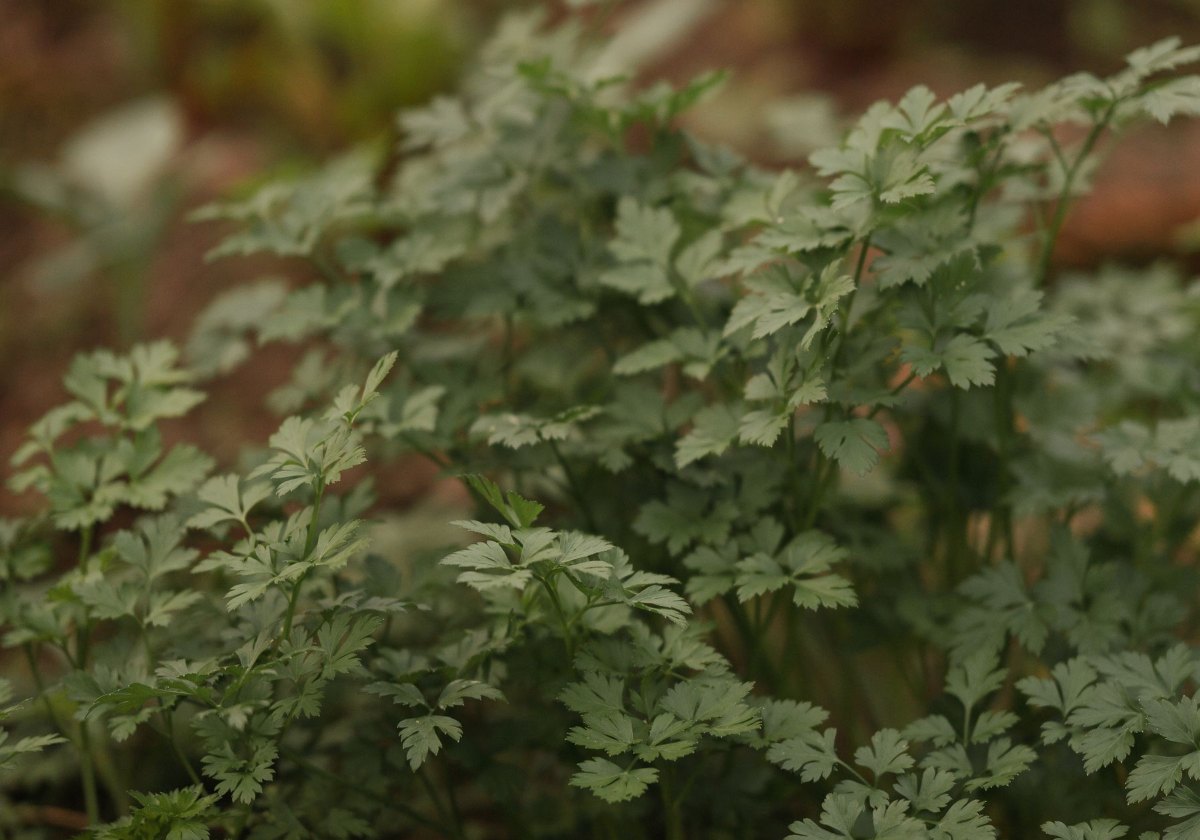
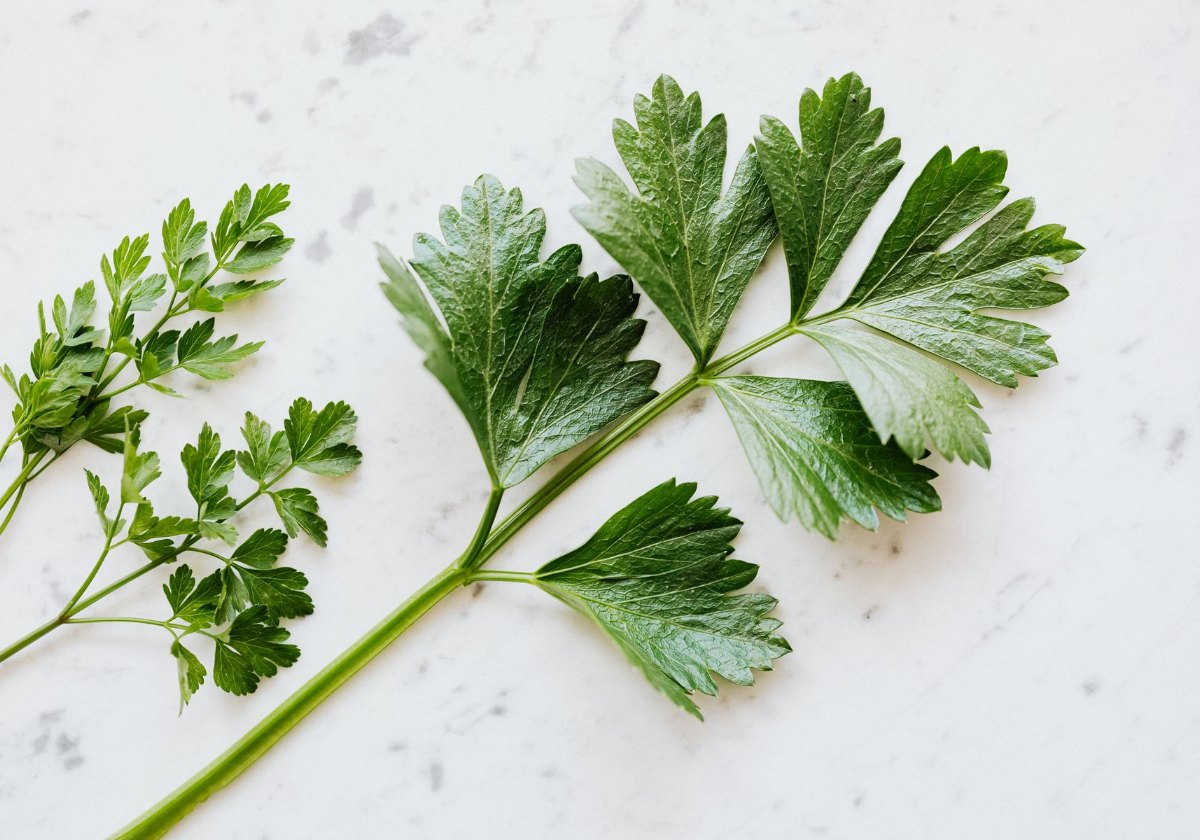
- Curly parsley has tightly ruffled leaves and a milder flavor. It’s the classic garnish, and it’s lovely chopped fresh into salads. Try Moss Curled or the compact Extra Curled Dwarf, which is perfect for pots.
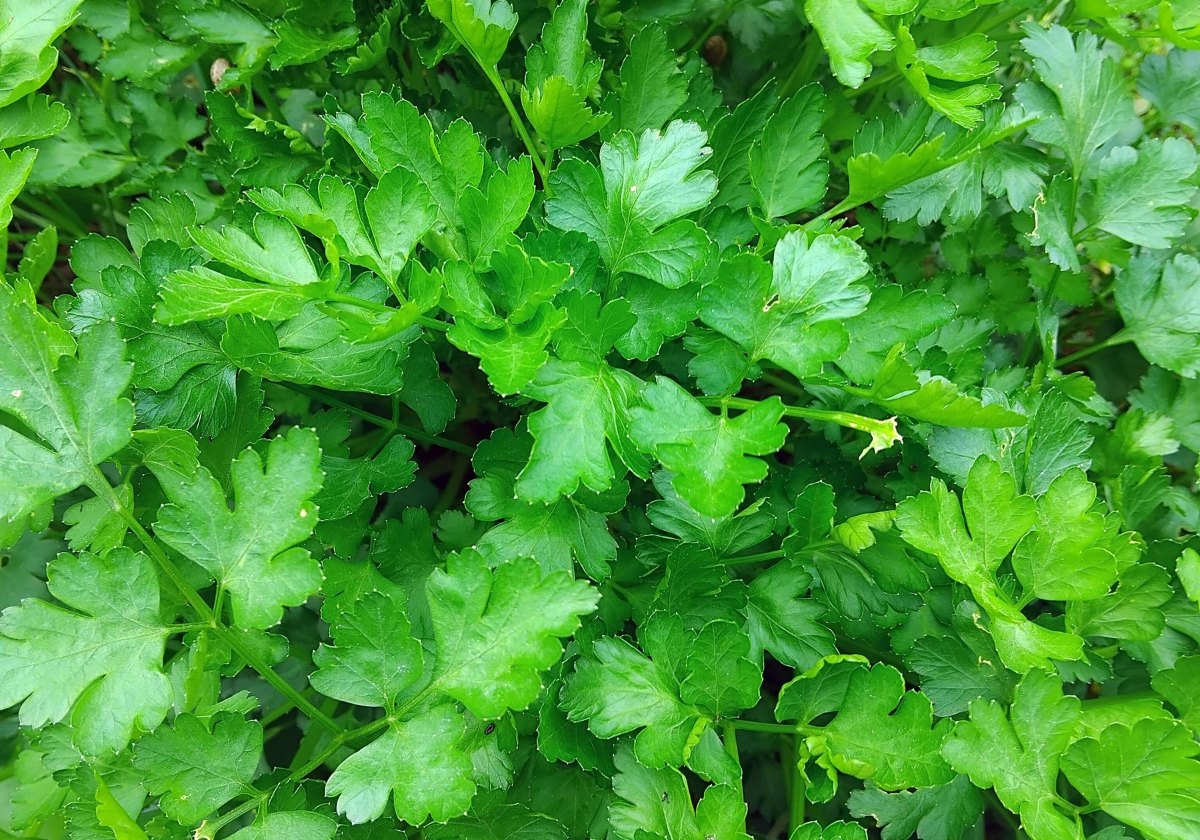
- Flat-leaf (Italian) parsley has a stronger, more peppery flavor and holds up to cooking. If you only grow one, this is the one I’d choose for the kitchen. Italian Giant and Green Dream are both great varieties.
Why Grow Parsley?
For Your Kitchen
Once you have a big pot of parsley, you’ll use it by the handful instead of the sprinkle. It brightens soups, sauces, roasted vegetables, and grain salads, and it’s the backbone of chimichurri, tabbouleh, and gremolata. It’s also genuinely nutrient-dense, packed with vitamin K, vitamin C, and antioxidants.
For the Butterflies
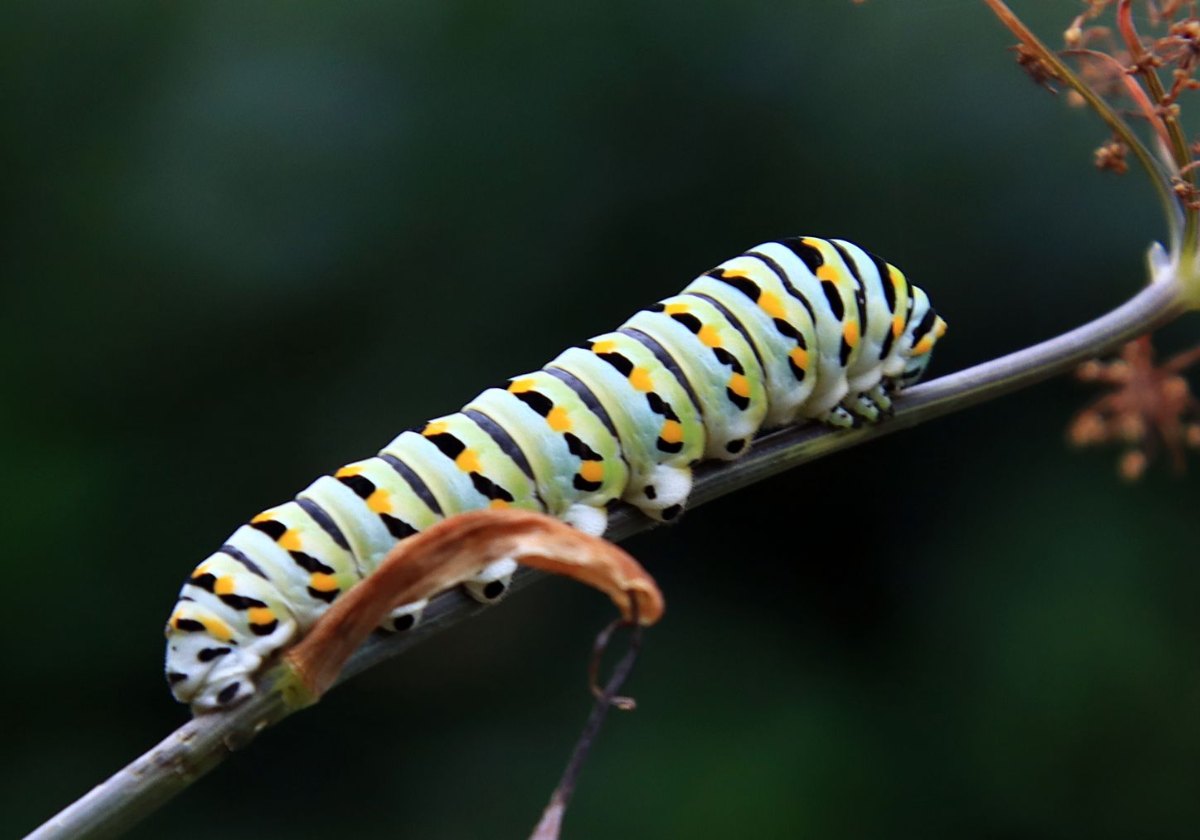
At some point, you may find fat, striking green-and-black caterpillars on your parsley. Those are black swallowtail caterpillars, and parsley is one of their favorite host plants. I always let them have a stem or two. Watching them turn into butterflies is worth sacrificing a little parsley. (The UF/IFAS Extension has a great guide to the eastern black swallowtail if you want to learn more.)
For Your Garden Ecosystem
If you let a second-year plant flower, its tiny blooms draw in hoverflies and parasitic wasps that help keep aphids and other pests in check. It also grows happily alongside tomatoes, asparagus, and corn.
Growing Parsley: What You Need to Know
Sun & Soil
Unlike thyme and other Mediterranean herbs, parsley wants rich, moist, well-drained soil. It grows in full sun or partial shade, and it actually appreciates a little afternoon shade once the weather warms.
Planting From Seed or Transplants
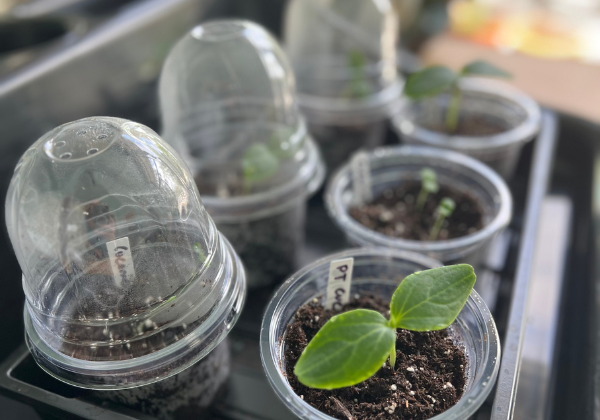
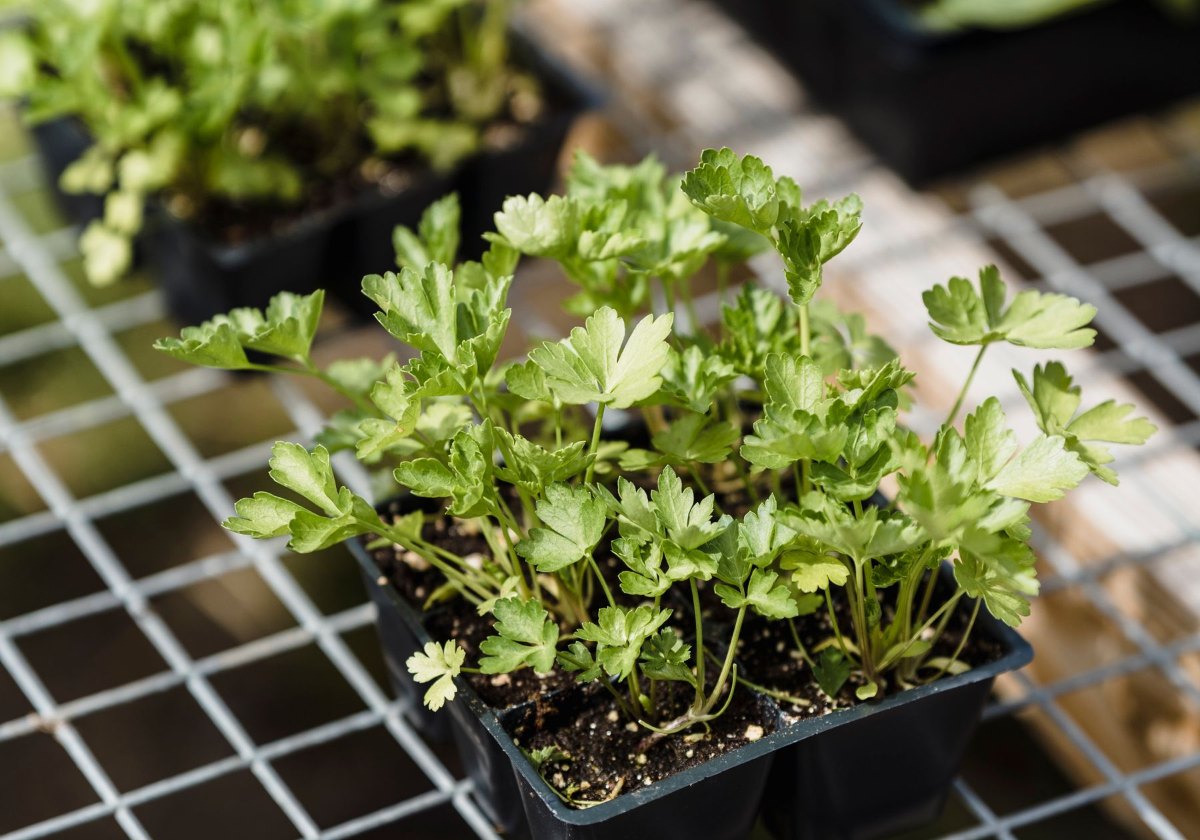
Parsley seed is famously slow to germinate. It can take three to four weeks, which trips up a lot of gardeners who assume it failed. Soaking seeds in warm water overnight before sowing helps speed things along. If you’d rather skip the wait, nursery transplants are a perfectly good shortcut. Space plants 8 to 10 inches apart and keep the soil consistently moist while they settle in.
Watering & Feeding
Keep the soil evenly moist, because parsley doesn’t tolerate drying out the way tougher herbs do. A light feeding with a balanced organic fertilizer once a month keeps the leaves lush and productive.
Growing Parsley in Florida
In the Florida Panhandle, parsley is a cool-season star. The UF/IFAS North Florida Gardening Calendar is a helpful guide for timing. A few tips for our climate:
- Plant in fall, from late September through early spring. Parsley shrugs off our mild winters and even a light frost.
- Give it afternoon shade as spring heats up to keep the leaves from turning bitter.
- Expect it to fade in the heat of summer, especially in its second year when it sends up a flower stalk. Replant each fall for the best flavor.
- It grows beautifully in containers. Here’s my list of the best herbs for container gardening.
Harvesting Parsley
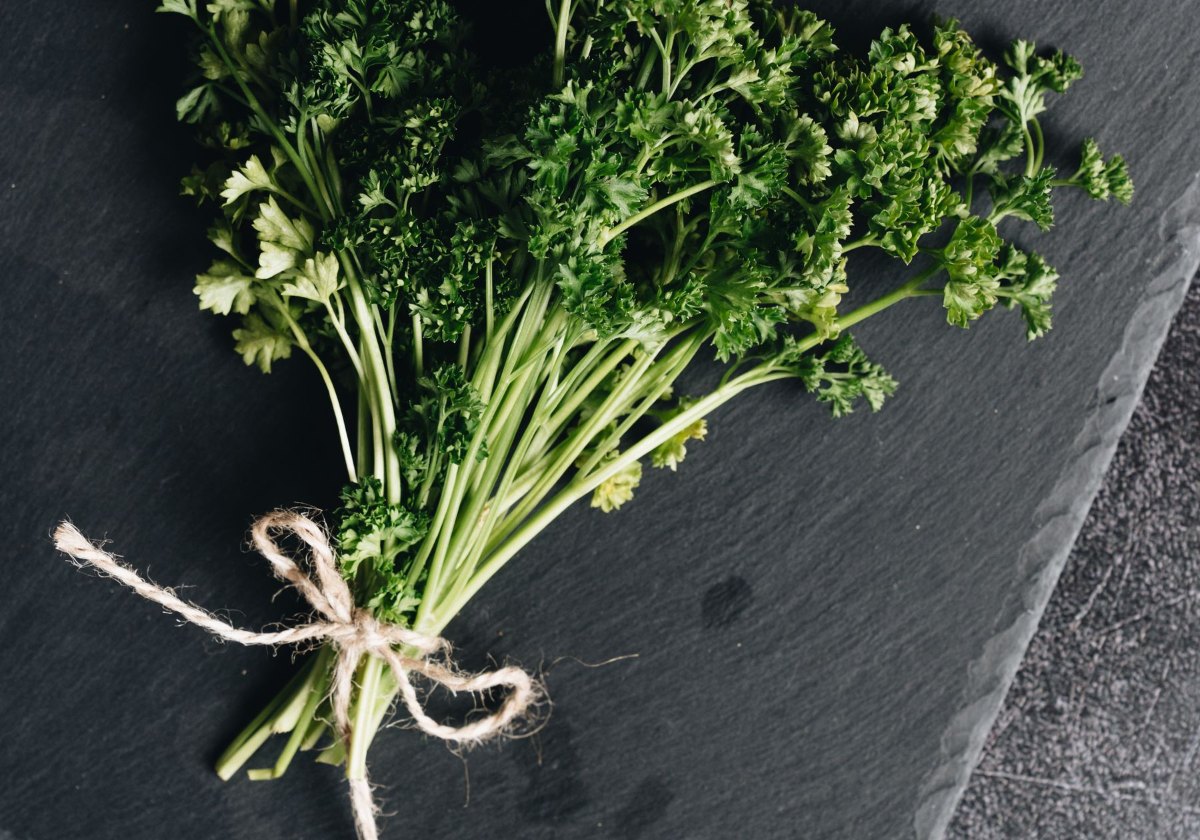
Harvest the outer stems first, cutting them at the base, and let the younger center growth keep developing. This keeps the plant productive for months. Once a plant sends up a flower stalk in its second year, the leaves turn bitter, so that’s your signal to let it flower for the pollinators and plant fresh.
Storing Parsley
Parsley is best fresh. For a few days in the fridge, stand the stems in a glass of water like a bouquet with a loose bag over the top. To preserve a big harvest, chop it and freeze it in ice cube trays with a little water or olive oil, ready to drop into soups and sauces all winter.
How to Use Parsley
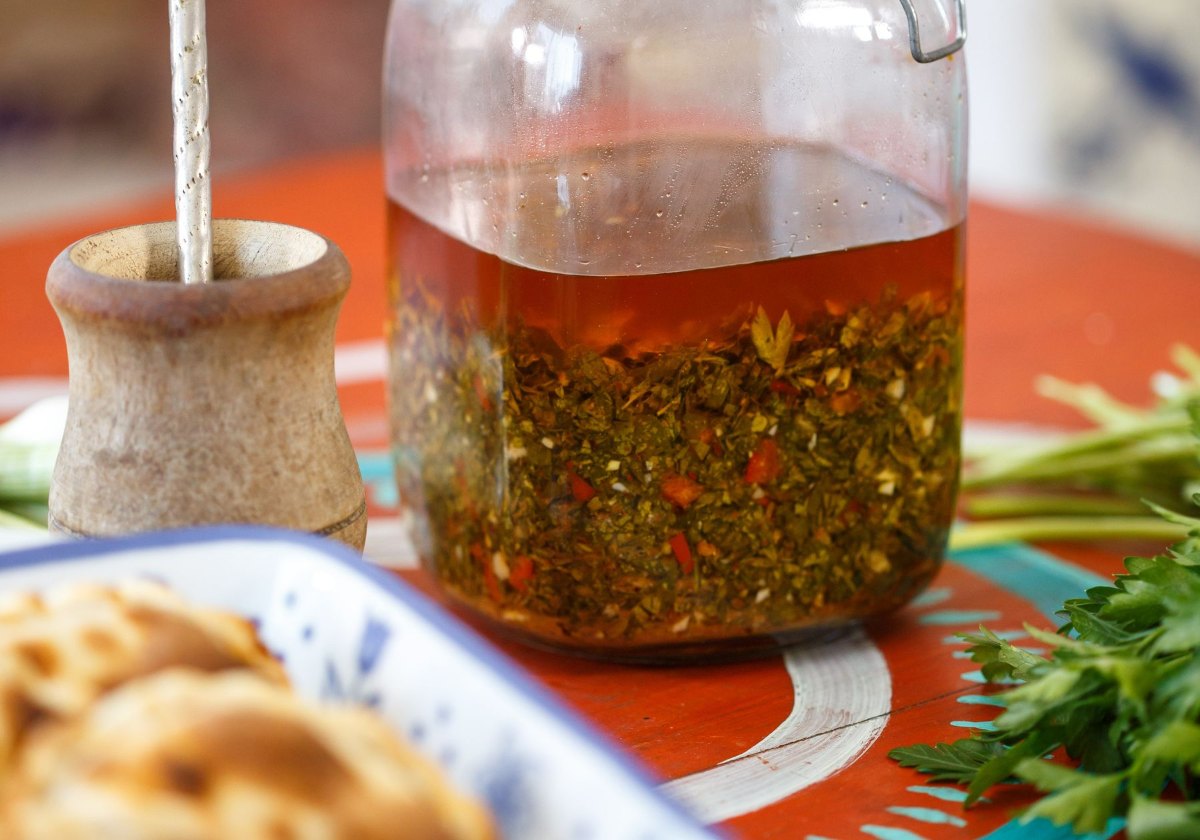
- Blend into chimichurri with garlic, red wine vinegar, olive oil, and a pinch of red pepper flakes
- Toss by the handful into tabbouleh and grain salads
- Stir into soups, stews, and sauces at the very end for fresh flavor
- Mix with lemon zest and garlic for a quick gremolata over fish or roasted vegetables
- Fold into herb butter for bread or grilled steak
- Bundle with thyme and bay leaves for a classic bouquet garni
Companion Herbs to Grow Alongside Parsley
Parsley loves the same cool-season window as cilantro and chives, and it shares its butterfly-friendly nature with dill. Plant them together for a kitchen herb bed that feeds you and the pollinators all fall and winter.
The Bottom Line on Parsley
Parsley doesn’t get nearly enough credit. It’s easy, it’s nutritious, and it quietly supports butterflies and pollinators if you let a little of it go. It has earned a much bigger role in my kitchen than “garnish,” and I have a feeling it will in yours, too.
Start with a transplant or two this fall, give it rich soil and steady water, and be patient if you’re growing from seed. You’ll be snipping fresh parsley all winter long.
Shop This Post
Ready to plant? These are the flat-leaf and curly parsley varieties I recommend for a fall and winter harvest.
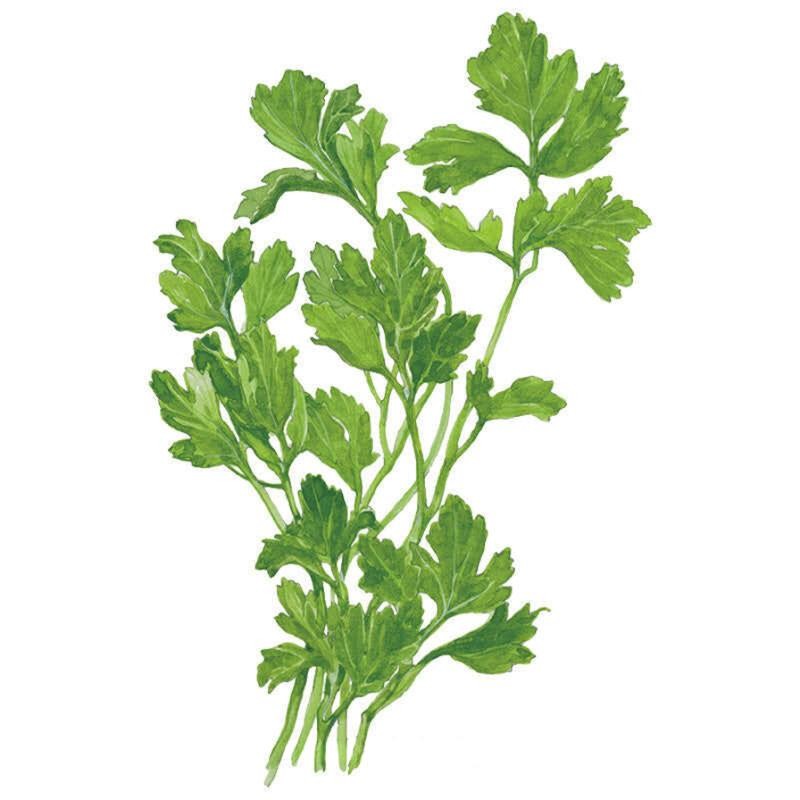
Italian Giant Flat-Leaf (Botanical Interests)
$5.49 · Shop
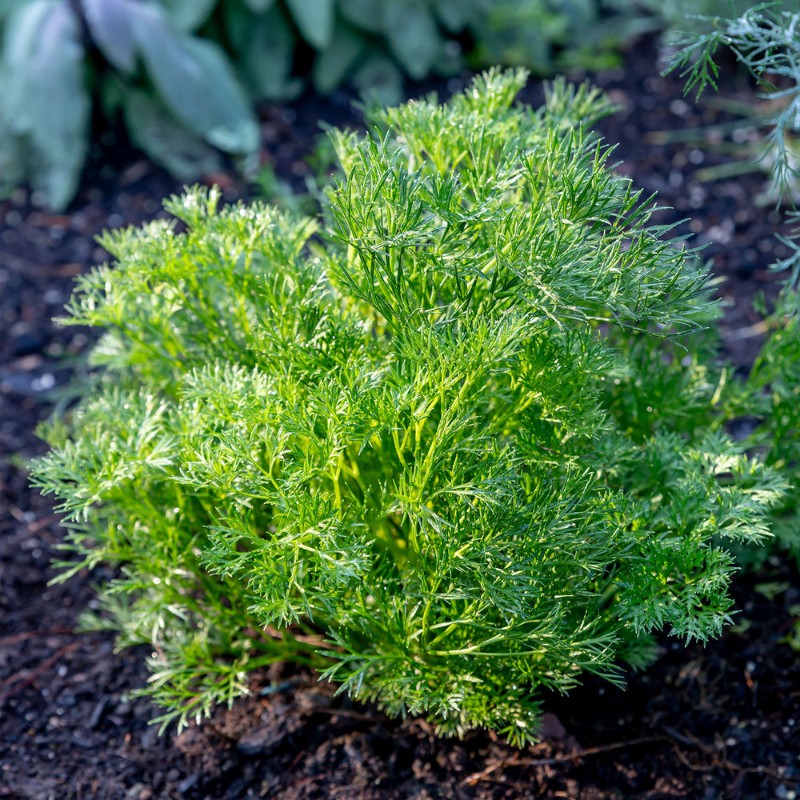
Green Dream Parsley (Burpee)
$8.45 · Shop
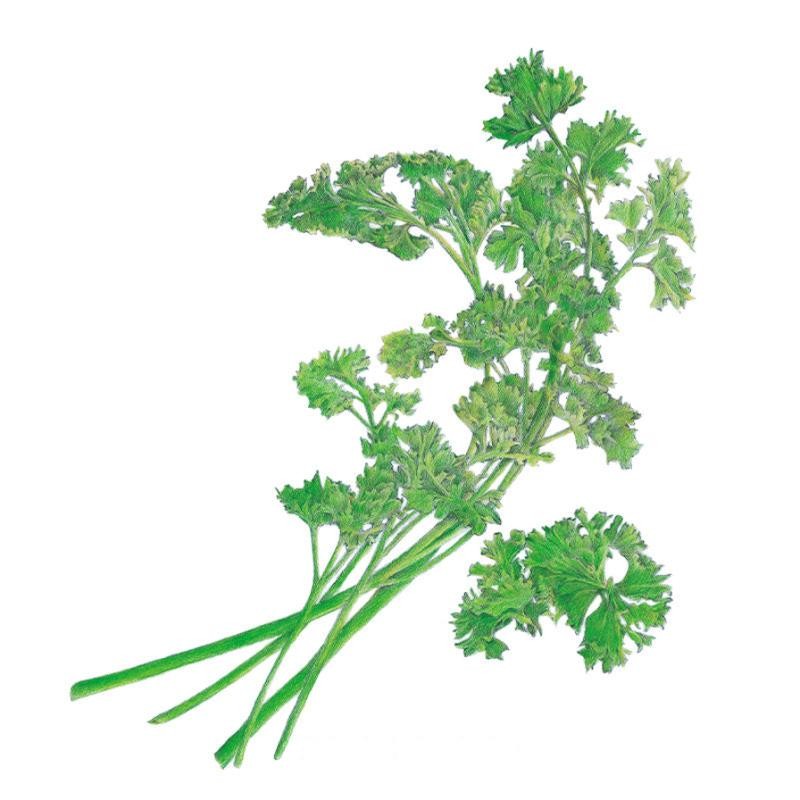
Moss Curled Parsley (Botanical Interests)
$5.49 · Shop
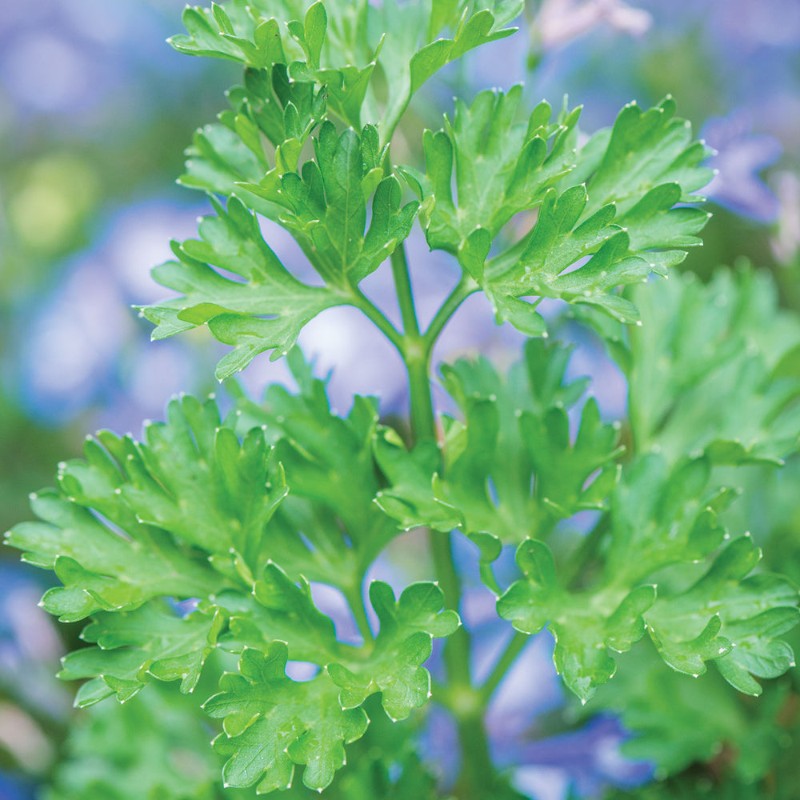
Extra Curled Dwarf Parsley (Burpee)
$4.45 · Shop
Looking for more of my favorite seeds, raised beds, and garden tools? Browse my Garden Favorites.
Do you grow curly or flat-leaf, or both? Tell me how you use yours in the comments, or tag me @cultivateandnavigate. And if you found this guide helpful, save it to your herb garden board on Pinterest!