Unlock the Wonders of Sage: From Herb Gardening to Health Benefits
Sage has main character energy — it doesn’t just smell incredible, legend says it purifies the spirit too. People have been obsessed with this plant for centuries: its scent, its flavor, and its genuinely impressive list of medicinal uses. If you’re even a little bit of a gardener or a curious home herbalist, sage earns its spot in your garden. Let’s get into everything from planting the seeds to the (very real) art of smudging. Fair warning: this is one of my personal favorites, so I have a lot to say.
Whether you’re building out a dedicated sage corner or just want to add a little wisdom to dinner, welcome to the wonderfully weird, wonderful world of sage.
This blog provides general information and discussions about health and related subjects. The information and other content provided in this blog, website, or in any linked materials are not intended and should not be construed, or used as a substitute for, medical advice, diagnosis, or treatment. Please read the Health and Medical Disclaimer HERE
Sage Beyond Savory: Exploring the Medicinal and Magical Sides
Sage isn’t just about flavor — it’s earned the nickname “super herb” for good reason.
Did you know that the botanical name for sage, “Salvia,” is derived from the Latin word “salvare,” meaning ‘to save’ or ‘to heal’? The ancient Romans cherished it for its medicinal properties, and it was once believed that wherever sage thrived, the woman of the house ruled. Such tales only add to the mystique that is sage.
Here’s how to put that reputation to work.
Medicinal Marvels
Sage has long been lauded for its healing potential. Traditionally, it was used to combat sore throats and inflammation, as well as a prophylactic against various infections. Sage tea is popular as a soothing tonic for sore throats and coughs.
It’s a staple in holistic medicine, valued for its ability to support digestion and alleviate menopausal symptoms. Recent scientific studies have even suggested that sage may offer cognitive benefits, potentially sharpening the mind with consistent use.
Culinary Arcane of Sage
In the culinary realm, sage is a leading star of fragrant homages to hearty meals. Its earthy, slightly peppery taste lends depth to dishes such as roast chicken, holiday stuffing, and even buttery sauces.
The Magic of Sage
Sage has a rich tradition in spiritual practices. Burning sage or “smudging” is a Native American ritual believed to clear negative energy. The essential oils present in sage are antimicrobial, which adds a scientific spin to the age-old practice of purification.
My sister and I have been known to smudge our homes with sage on a regular basis, especially during times of stress or life changes. We find that it helps to create a sense of peace and calm in our space!
The Many Shades of Sage: Discovering the Varied Types of Sage
Sage, Salvia officinalis, gets its genus name from the Latin word “to heal,” indicating its deep-rooted history in medicine. But not all sages are created equal. There’s a verdant variety to the sage family, each with its distinctive fragrance and folklore. In fact, there are more than 900 varieties of sage! Here are a few of the more common varieties.
Common Sage (Salvia officinalis)
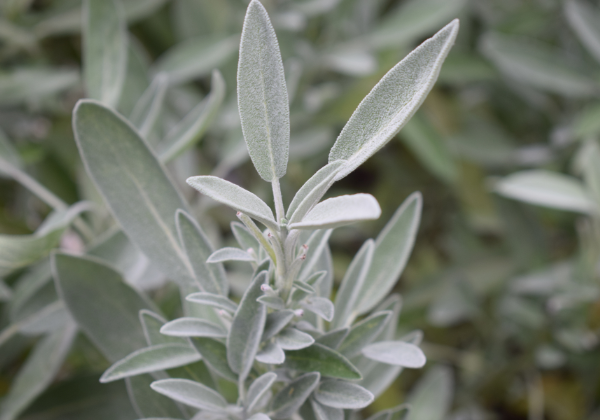
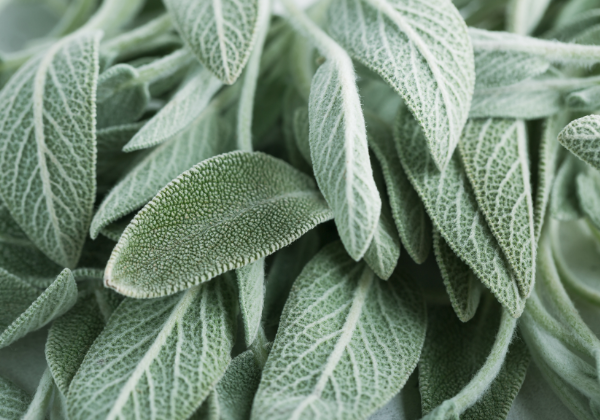
The quintessential sage, known for its velvety, gray-green leaves and strong aroma, is a pillar of herb gardens and kitchen windowsills. It’s a hardy perennial that’s as at home in the ground as it is in a pot. When it comes to culinary applications, common sage reigns supreme, adding its unique punch to everything from stuffing to sauces.
Pineapple Sage (Salvia elegans)
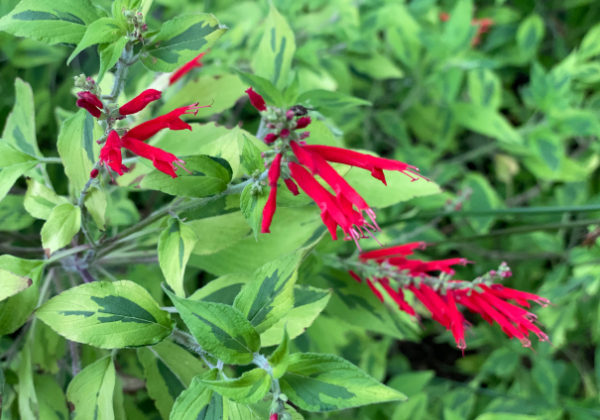
This delightful sage lives up to its fruity name with a sweet, pineapple-infused scent that’s perfect for teas and desserts. The leaves are a vibrant green and notably more elongated than common sage leaves. It’s loved by hummingbirds and makes a striking addition to the perennial garden, thanks to its red flowers.
My garden seems incomplete without pineapple sage and its striking red flowers! I regularly use this variety in my tea infusions.
Clary Sage (Salvia sclarea)
A more ornamental variety, clary sage boasts sizable leaves and showy pink, lavender, or white bracts atop its flower spikes. It’s been used in the perfume industry and is distinctive for its subtle, musky scent. Its medicinal uses are numerous, known for everything from balancing hormones to soothing digestion.
Beyond Common Ground
While common sage tends to steal the spotlight, there are other Salvia species worth exploring. ‘Berggarten’ sage (Salvia officinalis ‘Berggarten’) is a cultivated variety renowned for its large, round leaves and mild flavor. Greek sage (Salvia fruticosa) is favored in the Mediterranean for its flavor and is often the sage of choice for dishes of the region.
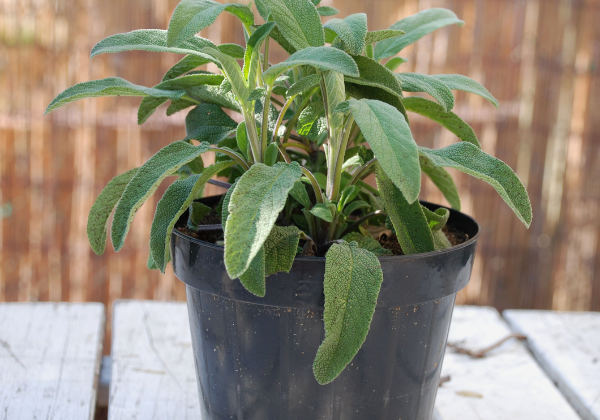
Planting the Seeds of Wisdom: Sage Growing Essentials
Ready to start your sage adventure? Here’s what you’ll need to shepherd this plant to verdant victory — or just grab a starter from the nursery and skip a few steps.
Choosing the Right Spot
Sage loves full sun, at least six to eight hours a day. It’s not too fussy about the soil as long as it’s well-draining. Slopes or raised beds can be beneficial for avoiding waterlogging, which sage detests.
Preparing the Soil
If your soil isn’t ideal, amend it with some sand or perlite for better drainage. A bit of compost can be worked in, too, but sage doesn’t need much; this plant can thrive in less nutrient-rich soil than other herbs. Ensure the area is well-drained and doesn’t become waterlogged, as sage can die when it becomes waterlogged.
Sowing Seeds
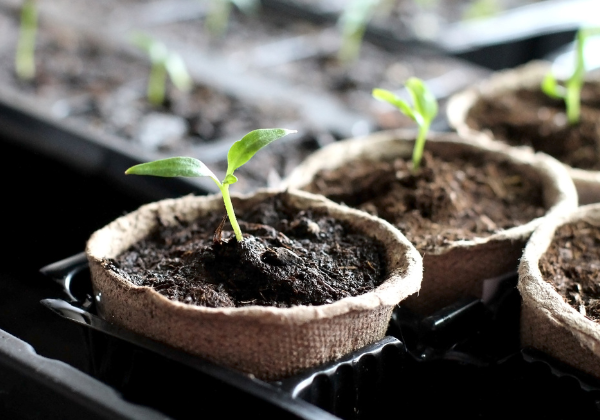
Start indoors 6-8 weeks before the last frost, or sow directly into prepared soil when the weather has warmed. Plant your seeds at a depth of about 1/4 inch and keep the soil consistently moist, not waterlogged.
Transplanting and Spacing
When your seedlings are a few inches tall and have a set of true leaves, it’s time to thin or transplant them. Space your sage plants 24-36 inches apart for good air circulation.
Caring for Your Sage
Once it’s settled in, sage is delightfully low-maintenance — water when the soil’s dry an inch down, and give it a trim after flowering to keep new growth coming.
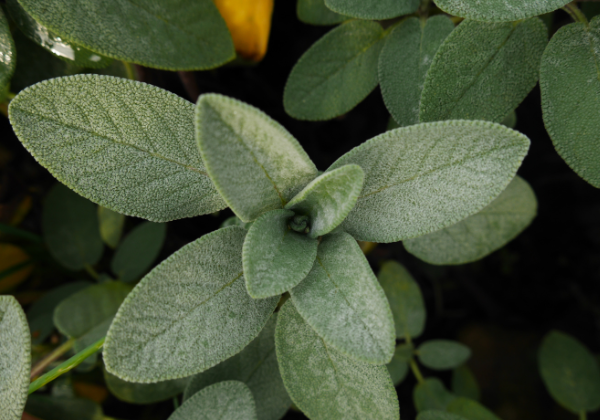
Sage in the Kitchen: A Culinary Companion Worth Its Weight in Leaves
Sage doesn’t do subtle in the kitchen. Its bold, earthy flavor holds its own against big, hearty dishes across just about every cuisine.
Classic Combinations
Although sage is a classic in stuffing, it’s equally delightful with roasted meats, eggs, and winter squash. Sage is a perfect partner for pork, particularly in the form of a sage seasoning or “rub.” It’s also traditional in European cuisines like Italian, where it’s paired with butter in dishes like gnocchi or soup, and English, where it graces classic sausage stuffing for poultry.
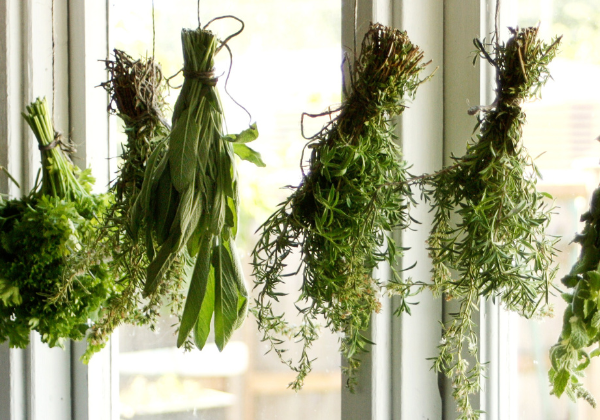
Harvesting and Storing Sage
Harvest sage leaves just before the plant flowers — ideally in the morning, when the oils are at their strongest. From there, use it fresh or dry it for later.
Using Fresh Sage
Fresh sage can be used immediately or stored in the refrigerator wrapped in a damp paper towel. Remember, fresh sage has a stronger flavor than dried, so you will need less in your recipes.
Drying Sage
To preserve sage for the winter months, harvest before flowering and dry the leaves by hanging them upside down in a dark, well-ventilated area. Once dry, strip the leaves from the stems and store them in an airtight container away from heat and light.
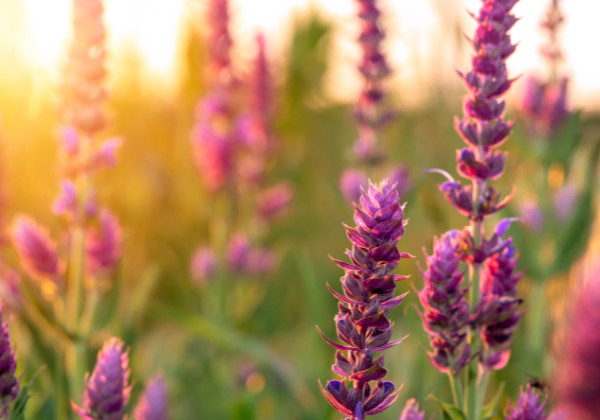
Sage Decor: Integrating Sage Beauties in Your Home
Sage isn’t just useful, it’s genuinely gorgeous — from the tricolor leaves of ‘Purpurescens’ to the bright red blooms of Mexican Bush sage, it holds its own as a straight-up ornamental.
The Visual Charm of Sage
Incorporating sage plants into your garden design can give it an earthy, textured look. Their varying heights and colors make them an excellent choice for mixed borders or as a standalone specimen plant.
Creating a Calming Space
The calming properties associated with sage translate into a little bit of tranquility infused in your garden. Its scents and visual appeal make it perfect for meditation gardens or quiet corners.
Aroma Therapy: The Scented Symphony of Sage
Our sense of smell is closely tied to memory, and sage’s fragrance often elicits a sense of comfort and calm. Different sage varieties have distinct scents, ranging from warm and musky to bright and citrusy.
Savory-Scented Varieties
Garden sage, often used in savory dishes, has a warm, camphor-like aroma. Pineapple sage (Salvia elegans) surprises with a sweet pineapple note. For those after an intense sensory experience, consider the purple sage (Salvia officinalis ‘Purpurascens’) with its rich purple leaves and powerful scent.
Sweet Smells of Sage
Not all sage varieties are solely for the savory. For a sweet, intoxicating scent, try grape-scented sage (Salvia melissodora), which fills the garden air with the smell of ripe grapes.
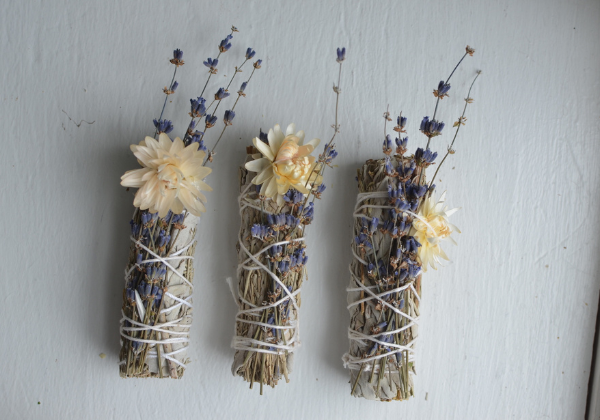
Cultivating Positive Energy: The Art of Smudging with Sage
I’d be doing sage a disservice if I skipped smudging entirely. It’s become a popular way to cleanse a space — here’s how to do it thoughtfully.
Getting Started
To smudge, light the end of a dried sage bundle until a gentle flame appears. Once the flame dies out, the sage will smolder and release smoke.
Intentions Matter
Before you smudge, set your intention. What do you hope to achieve? Visualize the end state, and then begin.
The Step-by-Step
Work room by room, wafting the smoke into the corners where negative energy might linger. Be sure to have a fireproof container or dish to catch ash and embers.
Respecting Tradition
Understand the smudging’s cultural and spiritual significance. It’s not a casual act but a ceremonial one. If in doubt, it’s always best to smudge with respect to the traditions that gave us this practice.
Sage Advice for Gardeners and Herbalists
Sage is so much more than an herb — it’s a garden companion, a kitchen MVP, and basically a low-maintenance friend who keeps giving. Flavor in the kitchen, steady presence in herbalism: cultivate a relationship with this one and the rewards just keep coming.
Growing sage means joining a tradition that spans centuries and connects a lot of cultures along the way. Whether you’re chasing old-world wisdom or just want fresh sage for Sunday dinner, this perennial is one you’ll be glad you planted.
Your sage-growing era starts now. Sow the seeds, steep the tea, savor the flavor, and smudge if that’s your thing — the sage garden is waiting.
Okay, tell me — are you Team Culinary Sage or Team Smudge-Everything? (No wrong answer, but I need to know.) Drop your favorite variety or recipe in the comments.