Growing Oregano: The Low-Maintenance Kitchen Staple
If I had to pick one herb that earns its keep in my kitchen garden every single week, it’s oregano. It’s practically indestructible, it thrives on neglect in a way most herbs don’t, and it’s the backbone of half the meals I cook—from a simple marinara to a sheet pan of roasted vegetables. If you’ve never grown it, it might just become the easiest win in your garden.
Understanding Oregano
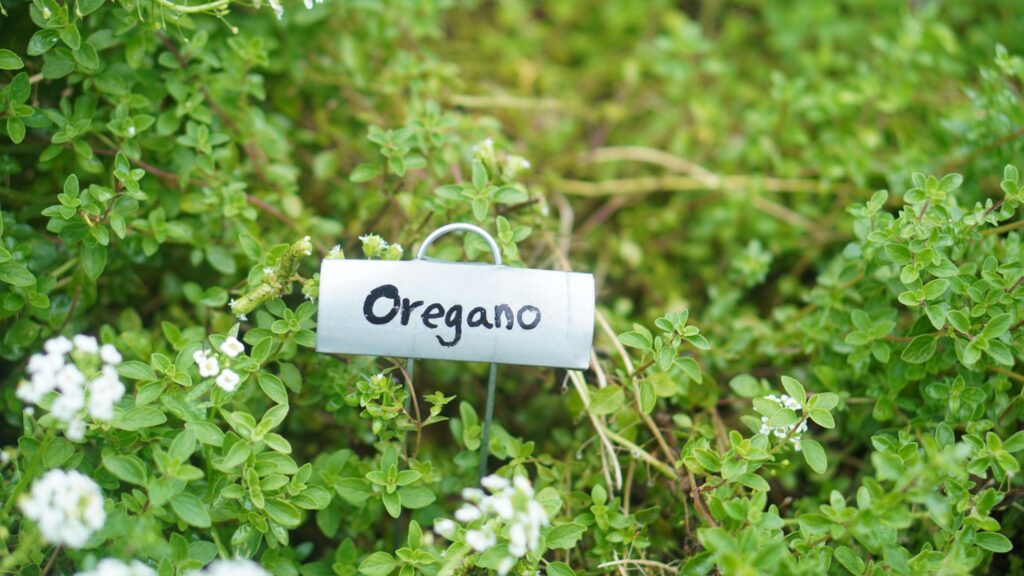
Oregano (Origanum vulgare) is a Mediterranean perennial in the mint family, grown for its pungent, peppery leaves. It forms a low, spreading mound 12 to 24 inches tall, with small clusters of white or pale purple flowers in summer that pollinators adore. There’s also Mexican oregano (Lippia graveolens), a different plant entirely with a similar flavor profile—if you’re after the classic Italian and Greek flavor, you’ll want true oregano, Origanum vulgare, or its close cousin Origanum onites.
Growing Conditions for Oregano
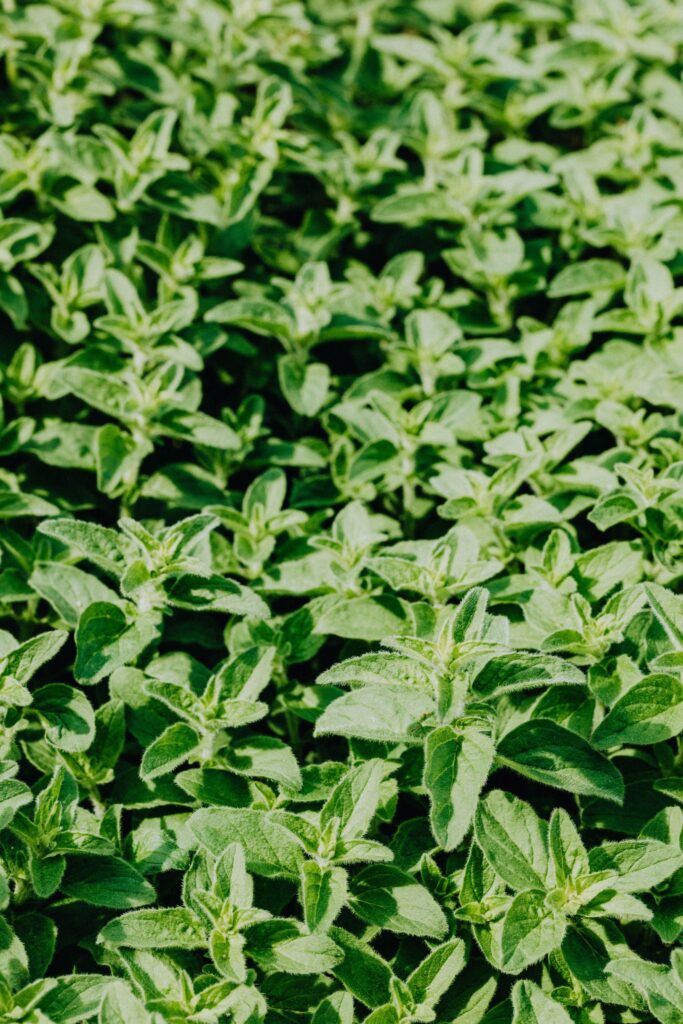
This is a herb that genuinely prefers to be ignored a little. Oregano wants full sun and well-drained soil, and it actually develops better flavor in soil that’s a bit lean rather than rich—too much fertility and you get lush, watery-tasting leaves. It’s hardy in USDA zones 4 through 10, drought-tolerant once established, and one of the few herbs that shrugs off both heat and dry spells without complaint.
Planting Oregano
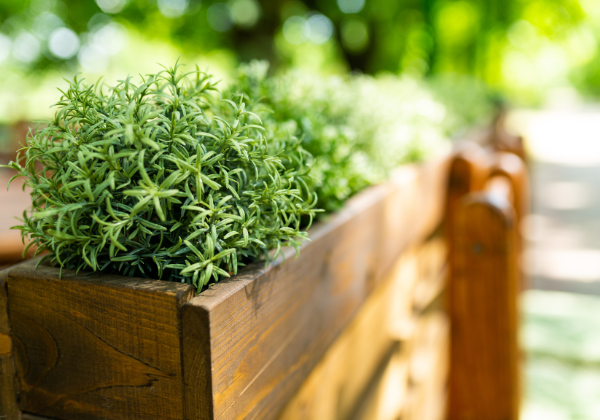
Oregano is slow and a little unpredictable from seed, so I always recommend starting with a nursery plant or a division from a friend—it roots easily, and you’ll have a usable plant in weeks instead of months. Space plants 12 to 18 inches apart to give the sprawling habit room, and plant in a container if you want to keep it from spreading into every open patch of soil nearby, because it will happily do that given the chance.
Caring for Oregano
Water deeply but infrequently, letting the soil dry out between waterings—overwatering is the fastest way to lose an oregano plant to root rot. Skip fertilizer altogether, or use it very sparingly; lean soil gives you the strongest flavor. Trim plants back by about half in early summer to keep growth bushy instead of leggy, and divide clumps every few years if the center starts to die out.
Pests are rarely an issue—the same aromatic oils that make oregano so flavorful also make it unappealing to most insects. In very dry, dusty conditions, you might spot spider mites, which a strong blast of water usually handles.
Harvesting and Storing Oregano
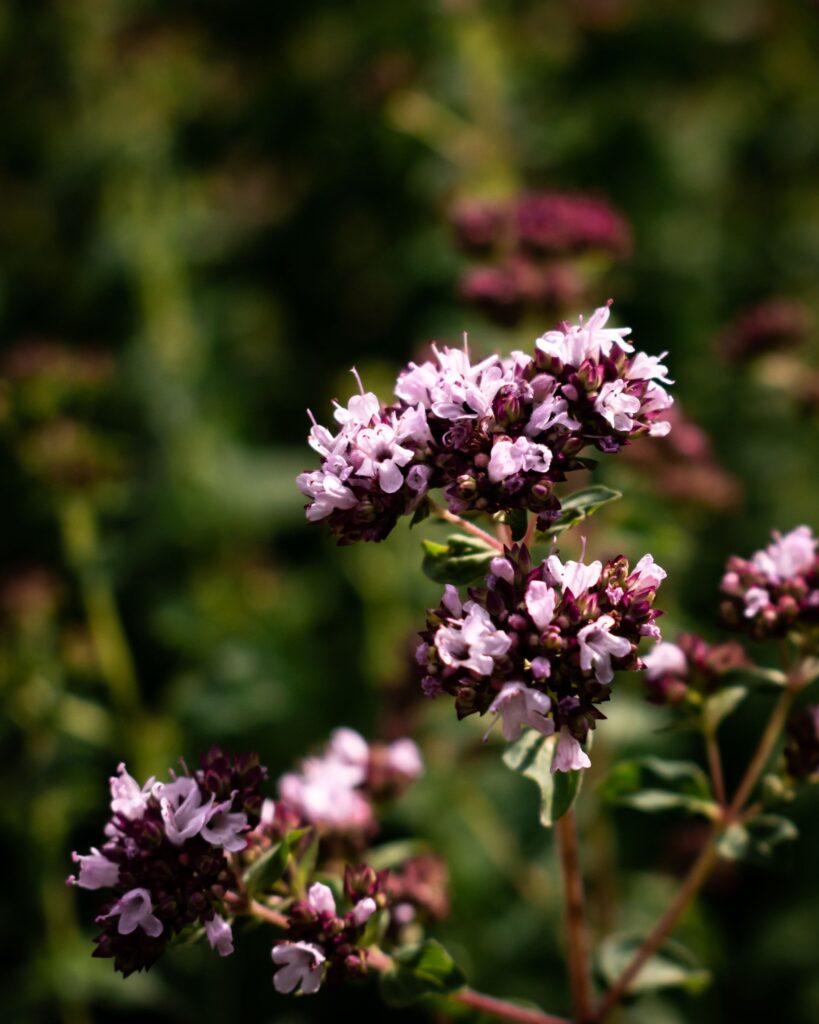
For the boldest flavor, harvest just before the plant flowers, snipping stems in the morning after the dew has dried. Oregano dries beautifully—bundle stems and hang them somewhere warm and dark, or use a dehydrator on a low setting. Once fully dry, strip the leaves and store them in an airtight jar; unlike many dried herbs, oregano holds its punch remarkably well over time.
Culinary and Medicinal Uses
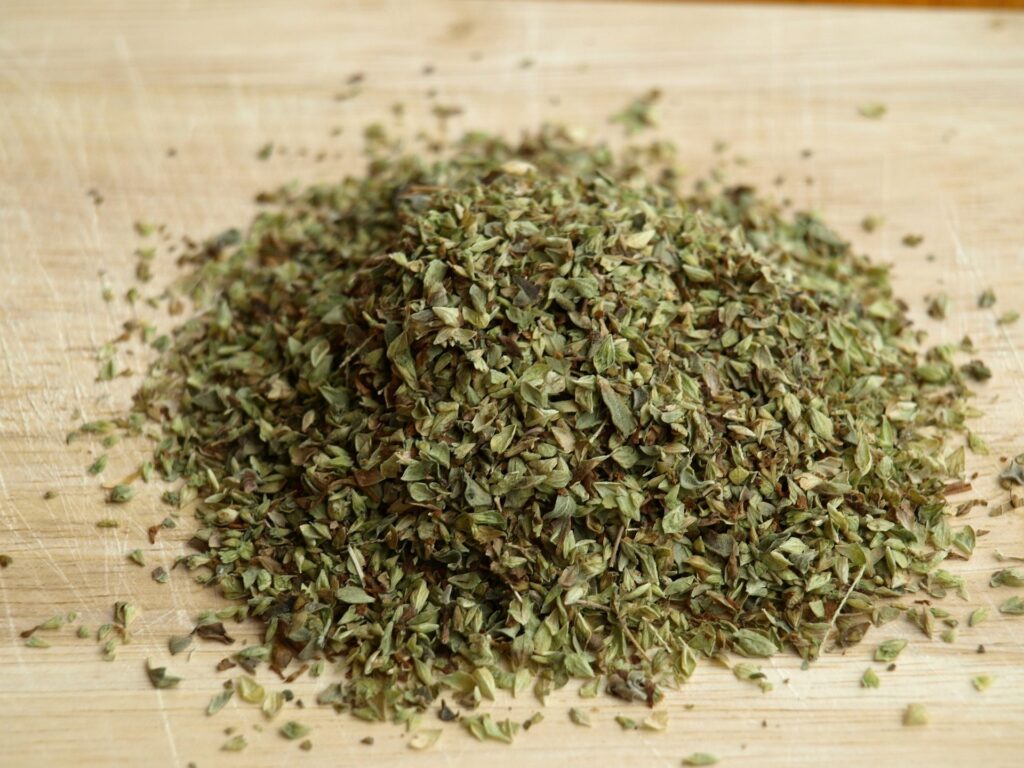
Oregano is a staple in Italian, Greek, and Mexican cooking—think pizza, pasta sauces, roasted vegetables, grilled meats, and vinaigrettes. It only gets more flavorful as it dries, which is part of why it’s one of the rare herbs I use dried just as often as fresh. Beyond the kitchen, oregano contains carvacrol and thymol, compounds studied for their antimicrobial properties, and a strong cup of oregano tea has long been a home remedy for sore throats and stuffy noses.
Companion Planting with Oregano
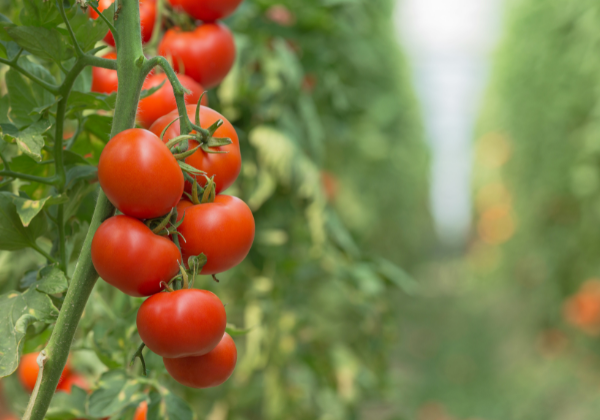
Tuck oregano in near tomatoes, peppers, and members of the cabbage family—its strong scent is thought to help confuse and repel cabbage moths, and it’s a low, spreading groundcover that won’t compete for light. It’s also a favorite of bees and beneficial pollinators once it flowers, so I always let a patch or two bloom rather than harvesting every last stem.
Why I Grow Oregano
Oregano is proof that the easiest plants in the garden can still be the most useful. I’ve never once babied this plant, and it just keeps producing—through heat, through neglect, through whatever else the season throws at it.
Do you cook with fresh oregano or always reach for the dried jar? I’d love to hear how you use yours—drop a comment below or tag me @cultivateandnavigate with your favorite recipe.