Fall Gardening in North Florida: What to Plant Right Now
Fall is our second spring in North Florida and along the Emerald Coast. By the time the summer heat finally lets go, the garden is ready for a fresh start, and the cool-season plants I look forward to all year can finally go into the ground. If you have a raised bed, a few containers, or even just a sunny patio, October is the month to plant.
Why fall is the best planting season here
Our summers are hard on a garden. Between the heat, the humidity and the afternoon storms, plants spend a lot of energy just surviving. In fall, the soil is still warm from summer, the nights are getting cooler, and the light is softer, which is exactly what young seedlings need to root in quickly.
The first frost usually shows up in late November or December, and often later right on the coast, so you get months of growing ahead of you. Dates shift from year to year and depend on how close you are to the water, so keep an eye on your local forecast.
Start by clearing and refreshing
- Pull out summer crops that are finished, like tired tomatoes, peppers and cucumbers.
- Work a couple of inches of compost into your beds or top up your containers with fresh potting mix.
- Harvest your basil in one big batch before the nights dip below about 50 degrees. It does not like the cold, and it makes a lovely last round of pesto.
- Add a fresh layer of mulch to hold moisture and keep the soil steady.
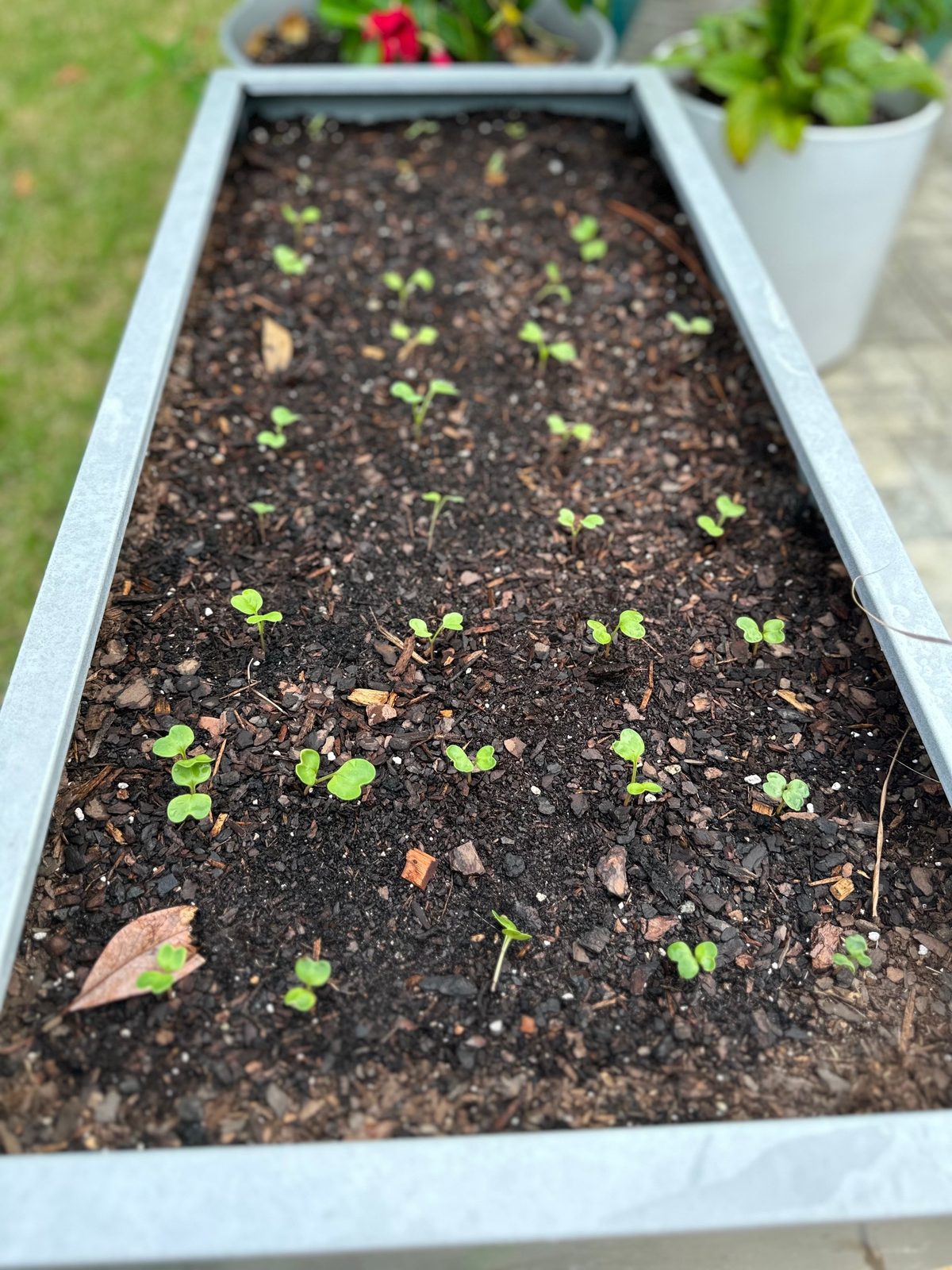
Your fall planting cheat sheet
Here is what I would plant now. The timing is a general guide for North Florida and the Emerald Coast, so adjust it to your yard and your weather.
| Plant | Start from | When to plant | Good to know |
|---|---|---|---|
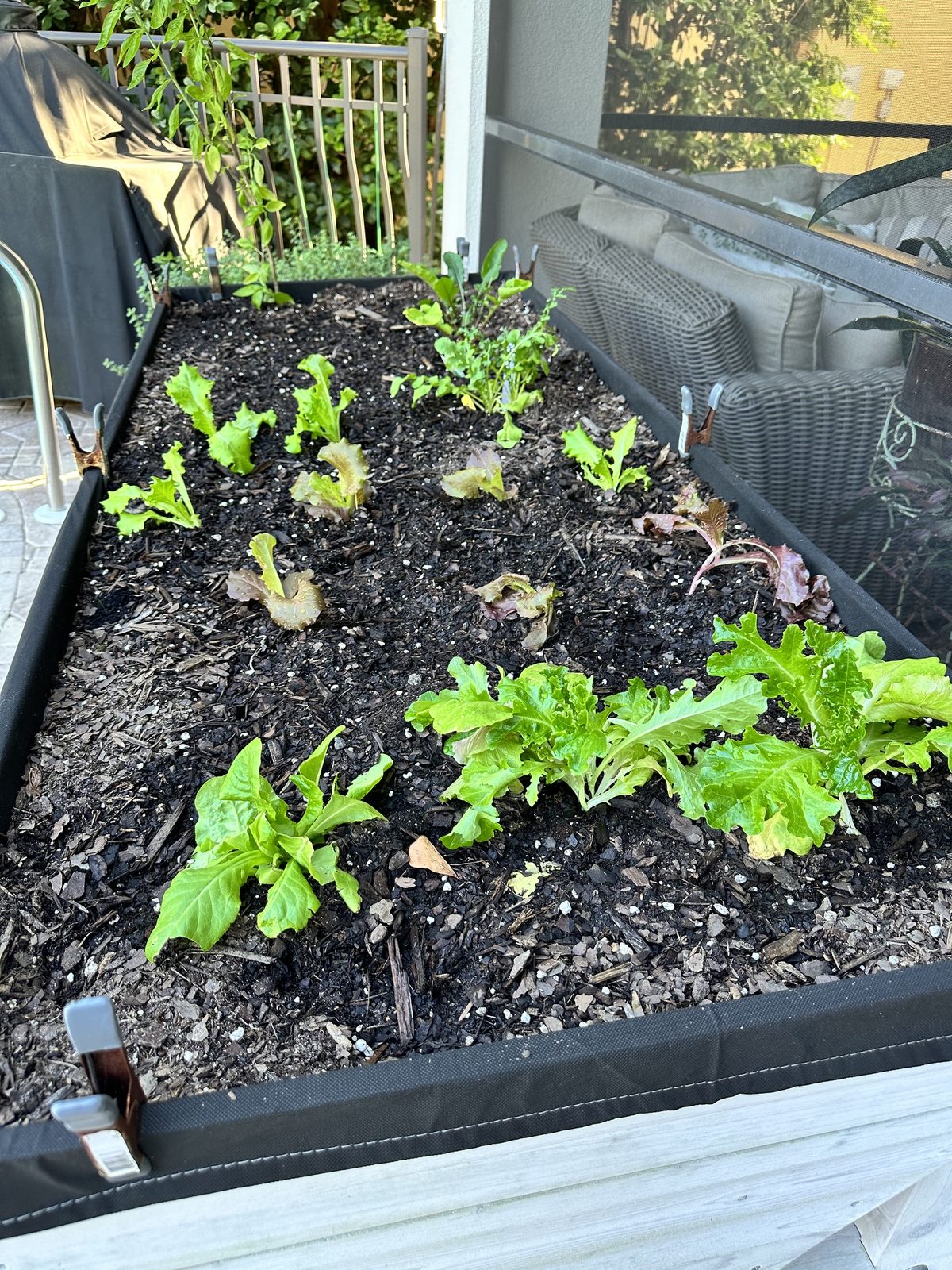
| Lettuce and salad greens | Seed or transplants | September (seeds) | October (transplants) through February | Give new seedlings a little afternoon shade while it is still warm |
| Kale and collards | Transplants | September 15 to November 30 and again January 15 to February 28 | Tough, productive, and sweeter after a cool night |
| Broccoli, cabbage and cauliflower | Transplants | Mid-September (mid-August for cabbage and cauliflower) through mid-February | Watch for cabbage loopers and cover with a light row cloth |
| Carrots, radishes and beets | Seed, sown directly (never transplant) | October through March (ideal time is early fall for carrots) | Radishes are the fastest win, ready in about a month |
| Spinach | Seed | September through February | Prefers cool soil, so wait for the heat to break |
| Cilantro and parsley | Seed or transplants | September through February | Cilantro bolts in summer heat and thrives now (try slow-bolt varieties) |
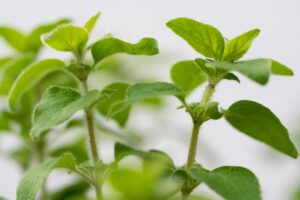
| Dill, chives, thyme and oregano | Seed or transplants | October and November | Easy to tuck into containers near the kitchen door |
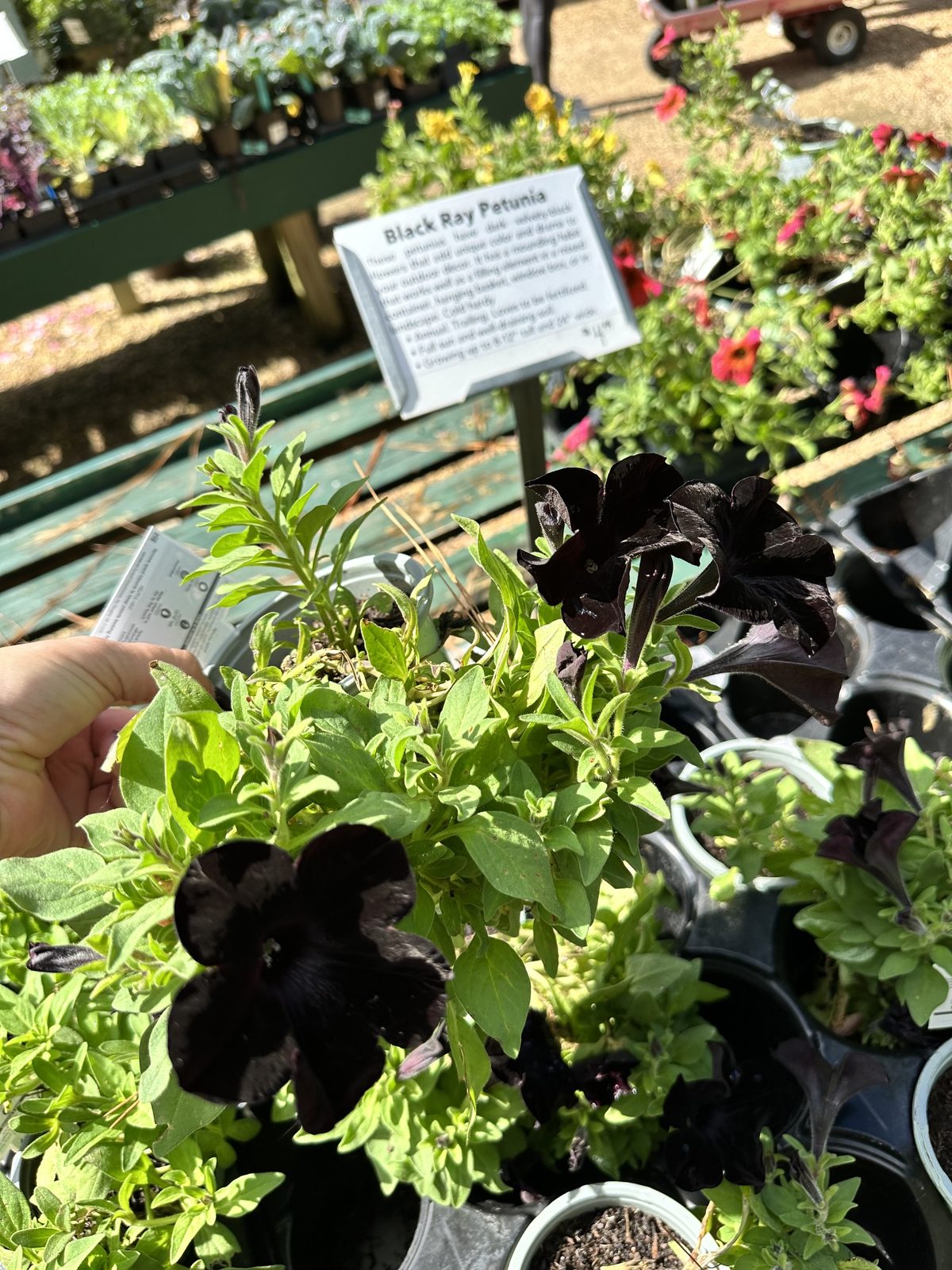
| Pansies, violas and snapdragons | Transplants | October through December | Color that lasts all winter here |
| Calendula and sweet alyssum | Seed or transplants | October and November | Friendly to pollinators and easy to grow |
Herbs that love the cooler months
Fall is when my herb garden really comes back to life. Cilantro is the star, and if you have struggled to keep it from going to seed, this is your season. My guide to growing cilantro walks through it step by step. Thyme and rosemary settle in happily too, and if you are short on space, my list of the best herbs for container gardening is a good place to start.
Flowers for color and pollinators
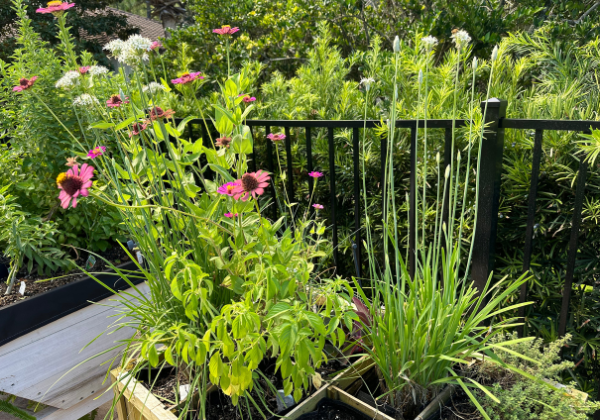
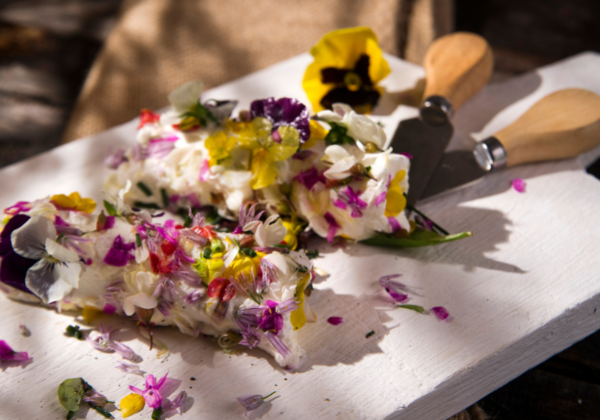
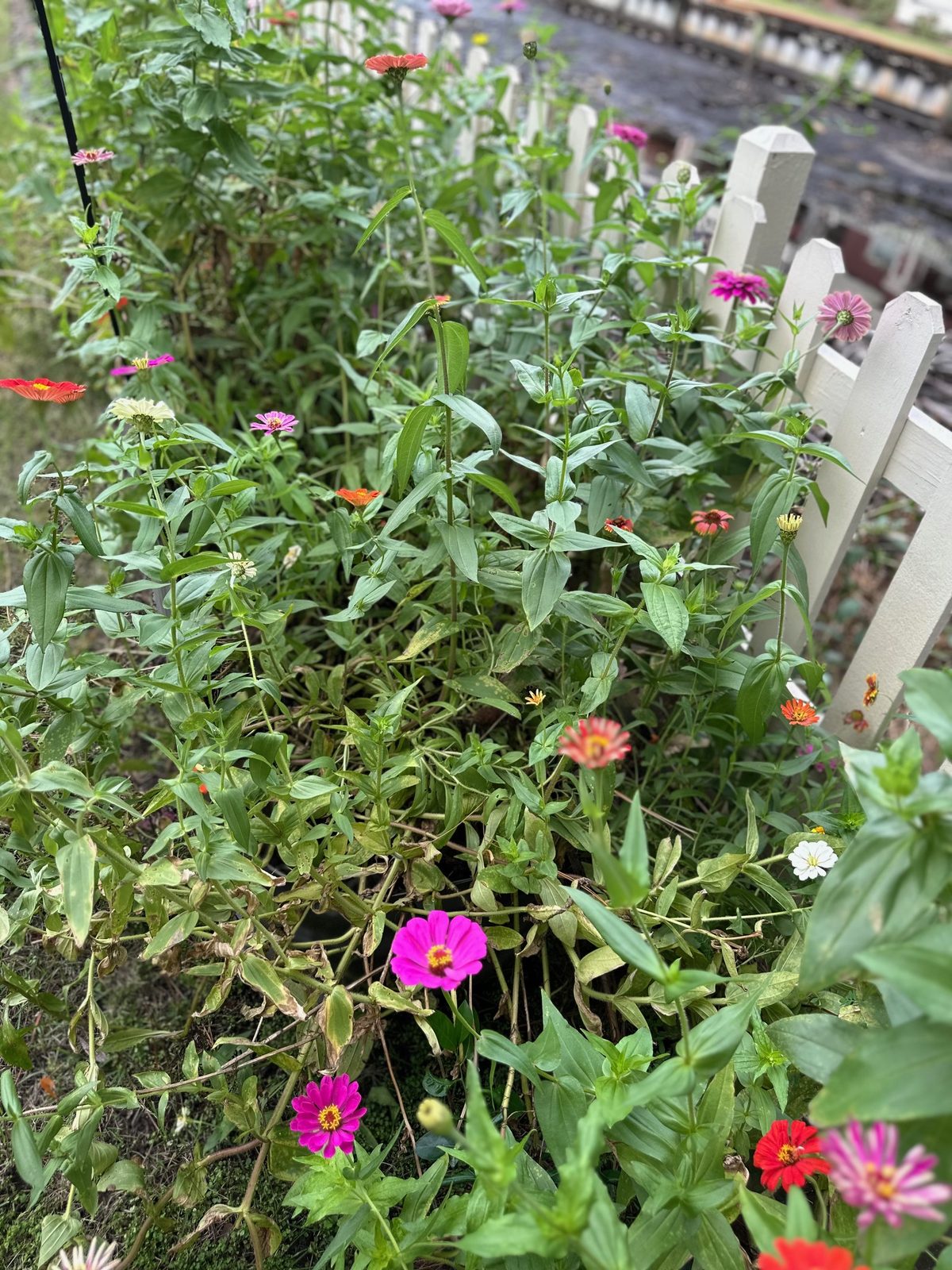
I like to tuck a few flowers in among the vegetables. Pansies and violas bring color through the winter, and if you grow them without pesticides, the blooms are pretty on a salad or a cocktail. Calendula and sweet alyssum keep the bees and other pollinators fed. For more ideas, see my post on edible flowers to plant.
Keeping things thriving through fall
- Water deeply, and in the morning. Fall can be surprisingly dry here, and new seedlings need steady moisture to get established.
- Check the undersides of the leaves. Aphids and cabbage loopers love broccoli, kale and cabbage. A quick weekly check keeps small problems small.
- Keep a frost cloth handy. Most of what you plant now is hardy, but tender container plants will want cover or a spot indoors on the coldest nights.
- Avoid the usual slip-ups. My post on 10 mistakes that might be killing your herb garden still applies in fall.
A simple way to start
If you are new to gardening, or new to fall planting, start small. One raised bed, or a few big pots, is plenty. I am a big fan of the raised beds from Vego Garden, and they make it easy to get a fall garden going quickly. If you are still building your foundation, my guide to starting a kitchen garden covers the basics.
Whatever you plant, I hope this season brings you a little more time outside and a lot more fresh flavor in your kitchen.
Shop the fall garden
This post may contain affiliate links, which means I may earn a small commission at no extra cost to you. As an Amazon Associate, I earn from qualifying purchases. I only recommend things I genuinely use and love, and I truly appreciate you supporting my small business.
These are the places I shop for garden gear, from raised beds to tools and supplies.
- Raised beds: Vego Garden
- Garden picks at Lowe’s: my Lowe’s storefront
- Garden and home picks at Walmart: my Walmart storefront
- Everyday favorites on Amazon: my Amazon storefront