Companion Planting: How to Make Your Plants BFFs
Have you ever heard of the famous saying, “You are the company you keep?” Just like how important it is to surround yourself with the right people, planting vegetables, herbs, and fruits is also about surrounding them with the right plants. This is where the concept of companion planting comes in. Companion planting refers to the technique of planting two or more plants together to benefit each other in various ways. It is an age-old concept that has been used for centuries by both novice and professional gardeners. It’s like a chemical-free version of “The Avengers”.
As I’m planning my garden, I’m cognizant about what I am planting where to ensure I focus on companion planting. I want to make sure the plants and vegetables I’m growing can thrive together. Through this approach, I’m creating a diverse ecosystem that supports the life of beneficial insects and birds in my garden. It also works to hinder the bugs that can wreck havoc on my crops.
To learn more about the companion planting for tomatoes, check out this post.
Let’s dive into what companion planting really is and why it’s so important to practice in your home garden.
Natural Pest Control
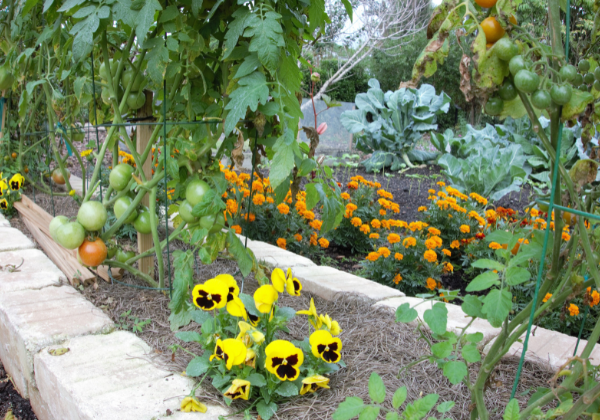
Different plants have different properties that can help combat pests and diseases. By employing companion planting techniques, you can create a garden ecosystem that promotes balance and harmony between plant species. For example, planting marigold flowers next to tomato plants can deter tomato hornworms. Similarly, planting basil near your green beans can ward off whiteflies and mites that can damage them. Plus, by naturally deterring pests, you won’t have to worry about using any harmful chemicals that can harm beneficial insects like bees or butterflies. One of the aspects of growing my own food is knowing exactly what was and wasn’t used on the plants.
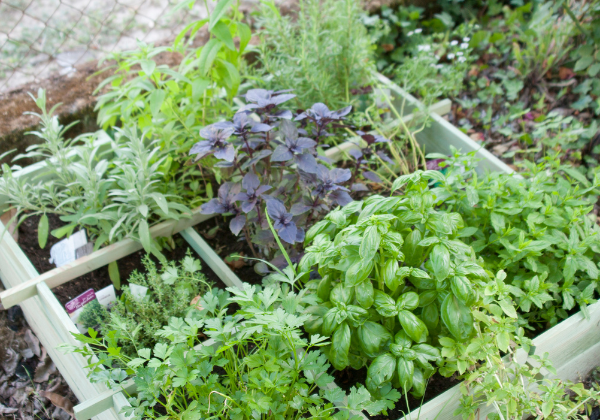
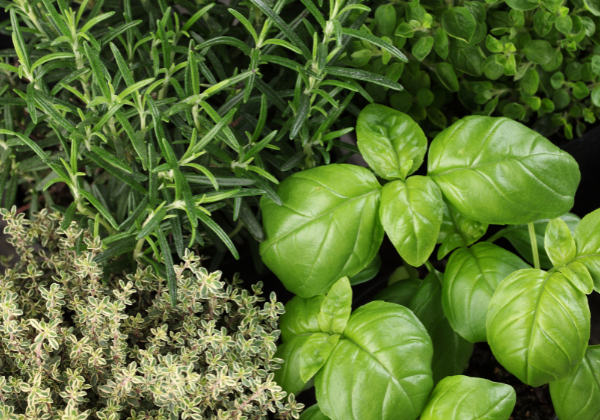
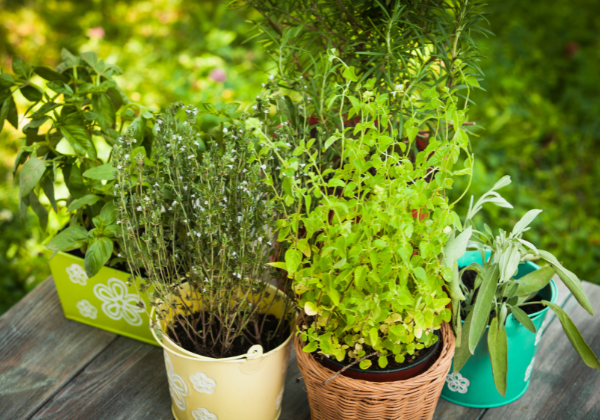
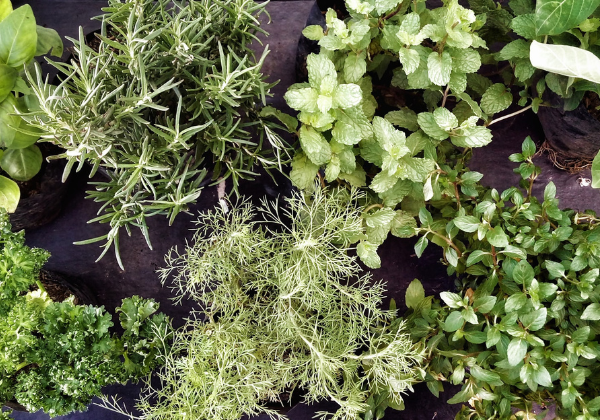
Herbs can also be used for companion planting. Planting herbs like basil, chives, and oregano near vegetables will not only add a pop of flavor to recipes, but they can also help protect plants from pests.
Improved Soil Fertility
Another important benefit of companion planting is improved soil fertility. Certain plants absorb and store nutrients that others do not, which is why planting certain species in conjunction can help create a nutrient-rich soil. One classic example is the Three Sisters Gardening method, which involves planting corn, beans, and squash together. Corn provides a trellis for climbing beans, beans add nitrogen to the soil, while squash acts as a groundcover that prevents moisture loss and keeps weeds at bay. Planting herbs are known to strengthen the soil’s overall health. The end result of companion planting is a healthy and thriving garden ecosystem.
Increased Yields and Disease Control
Companion planting not only benefits individual plants but also positively impacts overall plant yield. For instance, growing sweet basil near tomatos has been found to increase tomato yield significantly as well as enhance the flavor of the tomatoes. Similarly, planting chives near carrot plants can enhance carrot flavor and increase yield by 50%. By planting compatible species together, you can take advantage of the synergies that arise from interplanting and maximize your garden’s productivity.
Companion planting can also help increase pollination, resulting in a more bountiful harvest. By planting flowers that attract pollinators like bees and butterflies, you’ll help ensure your food-producing plants get the pollination to thrive. Some great options for pollinator-attracting flowers are lavender, sunflowers, and cosmos.
Additionally, companion planting can help decrease the likelihood of plant diseases. Certain plants are more susceptible to certain diseases. Planting them near a different species of plant can help break up the disease cycle. For example, planting onions near your spinach can help decrease the likelihood of spinach pests and diseases. When planting next to each other, it is important to research the companion plants and make sure they will both thrive in similar conditions. Careful selection of companion plants can help ensure that your plants stay healthy and produce a bountiful harvest.
Enhances Aesthetics
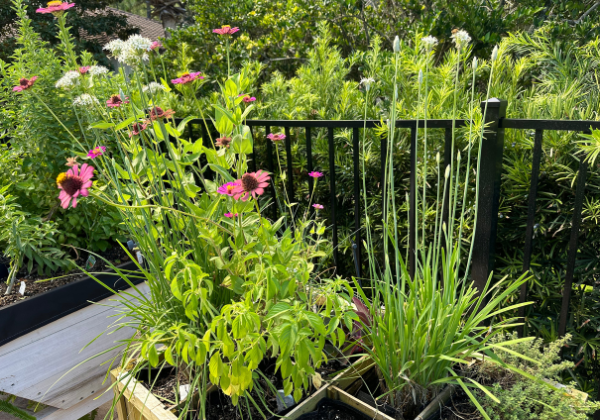
Companion planting is not just about planting vegetables together, but also involves planting flowers and herbs with them. By adding flowers like marigolds, sunflowers, or lavender, you can add an extra aesthetic appeal to your garden while also promoting plant health. At the same time, the flowers attract pollinators that help crops thrive.
Environmentally Friendly
Companion planting is an eco-friendly way of gardening that promotes the natural interdependence of different plant life. Companion planting has a minimal environmental footprint, and the traditional method aligns with organic and sustainable gardening principles. You’ll be able to enhance your garden’s ecological balance, reduce dependence on harmful chemicals, and promote an eco-friendly way of gardening.

Companion planting isn’t just a method — it’s basically matchmaking for your garden. Get the pairings right and you’ll see fewer pests, better soil, and a bigger harvest, all without spending a dime on chemicals. So don’t be afraid to experiment. The right companions can mean the difference between a so-so harvest and a garden that shows off.
So, get started on creating that happy ‘plant community’ and watch your garden thrive. Happy planting!
So, what’s your go-to companion pairing — and has it ever backfired on you? Tell me your best (or worst) matchmaking attempt in the comments.