10 Mistakes That Might Be Killing Your Herb Garden (and How to Fix Them)
Herb garden mistakes are a real struggle. Let’s just say it—because we’ve all been there:
One day your herbs look lush, happy, and full of promise…
And the next? Dramatic. Wilted. Questionable life choices all around.
Herbs have a reputation for being “easy,” but the truth is—they’re only easy once you understand what they actually want.
The good news? Most herb garden struggles come down to a handful of very fixable mistakes.
If your basil has betrayed you or your rosemary is giving you attitude, let’s walk through what might be going wrong—and how to turn things around.
1. Not Enough Sun
Herbs are sun-lovers. Like… serious sun-lovers.
Most culinary herbs (basil, rosemary, thyme, oregano) need at least 6+ hours of direct sunlight to thrive. Without it, they get leggy, weak, and a little sad.
Fix:
Move your herbs to the sunniest spot you have—south-facing if possible. If you’re growing indoors, place them right near a bright window (and yes, closer than you think).
👉 If you’re just getting started, you might also love: Beginner Herb Garden Setup (Step-by-Step Guide)
2. Overwatering
If herbs could talk, they’d say:
“Please… stop loving me so aggressively.”
Overwatering is hands-down the most common reason herbs fail—especially in containers.
Fix:
Let the top inch of soil dry out before watering again. Stick your finger in the soil—if it’s still damp, walk away.
(Pro tip: Herbs would rather be a little thirsty than constantly soaked.)
3. Poor Drainage
This one goes hand-in-hand with overwatering.
If your pot doesn’t have drainage holes—or your soil is too dense—water has nowhere to go. And roots sitting in water = root rot.
Fix:
Use pots with proper drainage and a light, well-draining potting mix. If you’re planting in raised beds or in-ground, make sure your soil isn’t compacted or holding too much moisture.
👉 You can dive deeper into this here: Container vs. Raised Bed vs. In-Ground Herb Gardening
4. Planting Too Much at Once
It’s tempting. I get it.
You walk into a nursery, and suddenly you’re leaving with 12 herbs and a full-blown vision.
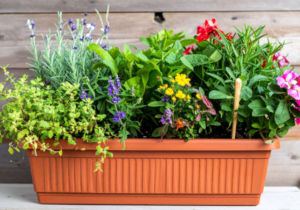
But more plants = more maintenance, more watering variables, and more things that can go sideways. And not all herbs play well with others or have similar needs.
Fix:
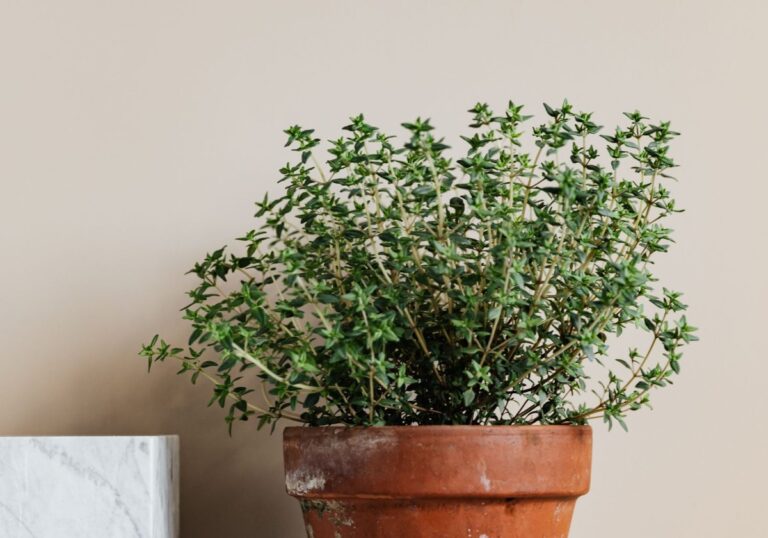
Start with 3–5 herbs you’ll actually use. Basil, mint, rosemary, and thyme are a great place to begin.
Build from there once you get into a rhythm.
5. Not Harvesting Enough
This one surprises people.
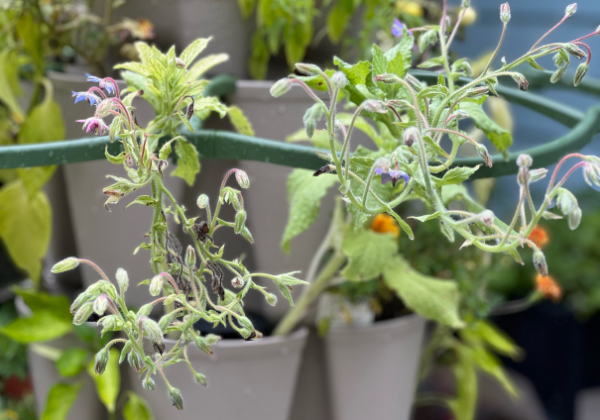
If you’re not harvesting your herbs regularly, they can become woody, leggy, and less productive.
Fix:
Trim often. Use your herbs! Snip basil above a leaf node, cut back parsley, keep things moving.
The more you harvest (correctly), the more your plant produces.
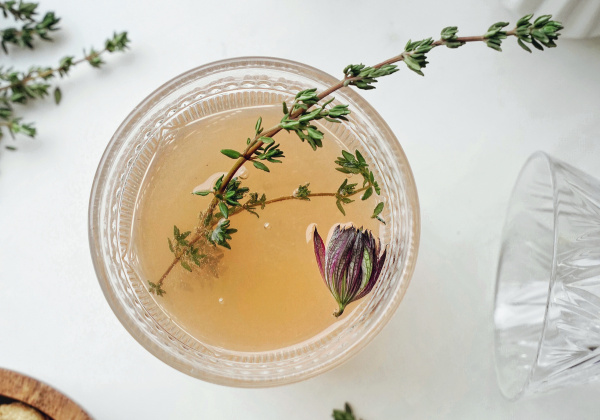
👉 If you need ideas for using fresh herbs, explore your Cocktail Garden recipes or herb-infused creations.
6. Ignoring Wind + Environment
If you live near the coast (hello, Emerald Coast life), wind and salt air are very real factors.
Too much wind can dry plants out quickly and stress them.
Fix:
Group your plants together to create a bit of a microclimate, or place them near a wall, railing, or sheltered area for light protection.
Containers are especially helpful here—you can move them as needed.
7. Using the Wrong Container Size
Tiny pots might look cute… but your herbs disagree.
Small containers dry out quickly and restrict root growth, which leads to stressed, unhappy plants.
Fix:
Give your herbs room to grow. When in doubt, go a size up.
Your future self (and your basil) will thank you.
8. Mixing Incompatible Herbs
Not all herbs want the same lifestyle.
Mediterranean herbs like rosemary and thyme prefer drier soil, while basil and parsley like a bit more moisture.
Fix:
Group herbs with similar needs together.
Think of it like dinner parties—everyone gets along better when they’re on the same wavelength.
9. Ignoring Heat
Spring herbs can feel like a dream.
Then summer shows up… and suddenly everything feels a little more high-maintenance.
Heat can cause herbs to bolt (go to seed), dry out faster, or stop producing.
Fix:
Adjust your watering schedule, and consider afternoon shade during peak heat.
A little protection goes a long way in keeping your herbs productive through summer.
10. Overthinking It
Honestly… this might be the biggest herb garden mistake.
It’s easy to get caught up in doing everything perfectly—but gardening doesn’t work like that.
Fix:
Start simple. Plant something. Pay attention. Adjust as you go.
Your garden will teach you what it needs—if you let it.
Final Thoughts
Your herb garden doesn’t need perfection.
It needs a little attention, a little consistency… and a willingness to learn as you go.
Some herbs will thrive. Some won’t. Some will surprise you, and others will test your patience (looking at you, cilantro).
But that’s part of it.
That’s the rhythm of growing something.
And once it clicks?
There’s nothing better than stepping outside, snipping a handful of fresh herbs, and bringing them straight into your kitchen.
💬 Let’s Grow Together
If you’ve had an herb garden success—or a total fail—I’d love to hear it. What’s been your easiest herb to grow? And which one keeps humbling you?
👉 Leave a comment below and let’s swap notes.
If you’re building your garden this season, you might also enjoy:
- Spring Herb Gardening Made Easy
- Best Herbs for Container Gardening
- Herb Profiles for deeper dives into individual plants