

5 Powerful Herbs that Boost Your Health
Your spice rack is hiding more than flavor. Basil, rosemary, thyme, parsley, and mint have been sitting in your kitchen this whole time quietly doing way more than seasoning your dinner, and it’s honestly a little embarrassing how long most of us treat them as an afterthought.
These five in particular punch way above their weight: immune support, sharper memory, better circulation, steadier blood sugar. Let’s go through what each one is actually doing for you.
This blog provides general information and discussions about health and related subjects. The information and other content provided in this blog, website, or in any linked materials are not intended and should not be construed, or used as a substitute for, medical advice, diagnosis, or treatment. Please read the Health and Medical Disclaimer HERE

The Powerhouse of Flavor and Health: Basil
Let’s consider basil, renowned as one of the most health-promoting herbs. Basil is like a nutrition superhero, packed with immune-enhancing, anti-bacterial, and anti-inflammatory powers that guard our organs and tissues. Beyond being a tasty addition to your pasta or pizza, basil is a potent health-enhancing herb worth including in your diet.
There’s an interesting comparison to be made between two types of basil – sweet basil and holy basil. While sweet basil is a familiar face in the culinary world, it’s holy basil that steals the limelight when it comes to health benefits, boasting anti-inflammatory, anti-bacterial, and anti-viral properties that make it a real powerhouse.
The Immune Booster
Unveiling the secrets of basil, it’s clear why this herb is often hailed as an immune booster. Basil is loaded with flavonoids that can make you feel younger and keep your cells in great shape. It’s like a little bodyguard that produces antibodies and mediators to protect you from germs and sickness and even has some antibacterial magic to help ward off infections and colds while supporting brain function.
But the wonders of basil don’t stop there. Studies have shown that holy basil, in particular, can improve immune system function and help prevent chronic diseases. So, why not add some fresh basil to your meals daily? It’s not only delicious but also great for your immunity.

Sweet Basil vs. Holy Basil
Let’s examine the differences between sweet basil and holy basil. While sweet basil brings a sweet and anise-like flavor to your dishes, holy basil offers a warm, pungent, and sweet taste with a hint of cloves, lemon, peppermint, and licorice. But it’s not just about the flavor; holy basil also contributes to controlling blood sugar levels.
The health benefits of holy basil include:
- Fighting skin infections and acne
- Protecting against diabetes
- Helping combat stress
- Boosting natural immunity
Holy basil might be the unsung hero in the world of fresh herbs, offering numerous health benefits to keep you at your best.
Rosemary: An Aromatic Herb for Cognitive and Vascular Health
Rosemary, a fragrant herb commonly used in kitchens globally. Research suggests that rosemary is not just a fragrant addition to your roast or soup, but a natural nootropic that can enhance cognitive function and uplift your mood. Its active ingredient, rosmarinic acid, is the secret sauce behind its anti-inflammatory effects and vascular health benefits. As one of the many herbs and spices with health-promoting properties, rosemary truly stands out.
Rosemary boosts energy metabolism, fights oxidative stress, and helps dilate your blood vessels, making it a magic potion for your vascular and metabolic health. It’s indeed a herb that’s as beneficial as it is flavorful, promoting both cognitive and vascular health.
Memory and Mood Enhancer
Rosemary oil is like a natural brain tonic that enhances memory performance and increases mental alertness. Inhaling rosemary oil can significantly boost your short-term memory and cognitive function. Isn’t it fascinating how a whiff of this fragrant oil can be so beneficial?
Scientific evidence backs up the memory-boosting powers of rosemary oil. Studies have found that the scent of rosemary oil improves performance by:
- increasing free radical scavenging activity
- reducing stress
- increasing alertness, attentiveness, and mental clarity
- banishing fatigue and drowsiness
So, why not indulge in the aroma of rosemary oil for a mental uplift?

Circulation Supporter
Rosemary also plays a starring role in supporting circulation and blood pressure. It has the following benefits for your circulatory system:
- Warms the blood and gets it flowing to the extremities
- Boosts energy metabolism
- Combats oxidative stress to maintain heart health
- Has antioxidant and anti-inflammatory properties
Rosemary acts as a beneficial ally to your heart, boosting energy metabolism and combating oxidative stress to maintain heart health. Additionally, it has been studied for its potential role in supporting cognitive health, particularly in relation to Alzheimer’s disease.
And the good news doesn’t stop there. Studies have shown that rosemary can lower the risk of heart failure after a heart attack, and even help prevent heart disease. It’s clear that adding rosemary to your diet can be a simple and flavorful way to support your heart and circulatory health.
Thyme for Health: More Than Just a Culinary Staple
Next up, thyme — the herb everyone forgets about until they’re making soup. Turns out it’s quietly one of the better antioxidant sources in your spice rack, and it’s got a long history as a respiratory remedy too.
Thyme has been used as a home remedy for coughs, respiratory conditions, and bronchitis. Its antimicrobial properties can reduce infections and improve respiratory function. Could this unassuming herb be the secret to a breath of fresh air?
The Antioxidant Herb
Thyme is packed with antioxidants like sinapic acid, ferulic acid, and caffeic acid, which neutralize and eliminate free radicals, reducing oxidative stress and keeping you feeling your best. It’s like an elixir of youth, protecting your cells from damage and slowing down the aging process.
Thyme’s antioxidants can work wonders for your health, including:
- Reducing inflammation
- Protecting your heart
- Preventing cancer
- Preventing age-related diseases
With thyme, you’re not just adding flavor to your meals, but also packing in a potent dose of antioxidants for your health.

Thyme’s Role in Respiratory Wellness
Thyme can also contribute significantly to improved respiratory wellness. Its anti-inflammatory properties reduce inflammation, while its expectorant properties help clear out mucus from the respiratory passages. It’s like a natural remedy for respiratory issues that’s been under our noses all along.
Research has revealed the therapeutic effects of thyme on various respiratory conditions. Thyme extract has powerful anti-inflammatory properties, and a nasal spray containing a thyme-based extract was found to be beneficial for respiratory health.
So, why not brew a cup of thyme tea or add some thyme to your meals for a respiratory health boost?
Parsley gets treated like a plate decoration, which is honestly a disservice. It’s loaded with vitamin K and vitamin C, and it’s doing real work for your blood flow and bones the whole time you’re pushing it to the side of your plate.
Let’s discuss parsley, an herb that is often underestimated as a simple garnish. Parsley is a nutritional powerhouse, packed with vitamins and minerals that support immune function and overall health. It’s high in vitamin K, which is great for blood flow and bone strength, and it may even have diuretic properties.
Parsley is also a great ally for blood sugar regulation. Its antioxidant and vitamin content helps maintain steady blood sugar levels and improves blood sugar control. So, the next time you see parsley on your plate, remember, it’s not just a garnish!
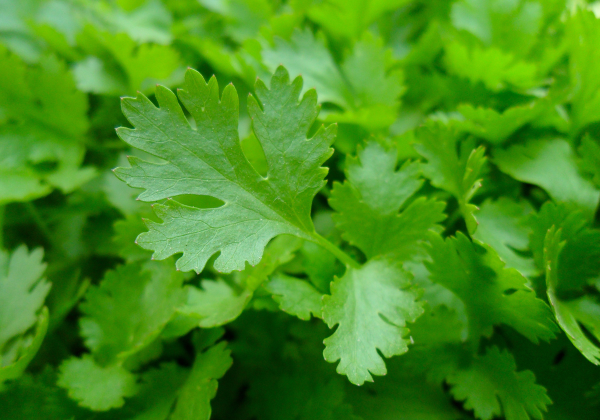
Vitamin C Powerhouse
Parsley is a rich source of vitamin C, a powerful antioxidant that supports immune function and overall health. Just one cup of parsley contains a whopping 89 percent of the daily value for vitamin C. It’s like a vitamin C bomb, ready to boost your immune system!
Consuming parsley fresh is the best way to reap its vitamin C benefits. Adding it as a garnish or in salads can ensure you’re getting the most out of its vitamin C content. So, why not sprinkle some fresh parsley on your next meal and enjoy its vitamin C power?
Blood Sugar Regulation
Parsley can also help control blood sugar levels. It contains antioxidants and vitamins that improve blood sugar control and support overall blood sugar regulation. Whether you have diabetes or just want to manage your blood sugar, parsley can lend a hand.
Research studies have revealed that parsley can indeed help with blood sugar regulation, even reducing blood glucose levels in diabetics. Adding a bit of parsley to your meals can be beneficial for maintaining balanced blood sugar levels. So, why not make parsley a regular feature in your meals?
Last but not least, mint — the one herb basically everyone already has an opinion about, usually involving gum or tea. Turns out that reputation is earned.
Finally, let’s consider mint, a flexible herb celebrated for its digestive and oral health benefits. Some of the health benefits of mint include:
- Calming an upset stomach
- Freshening breath
- Relieving headaches
- Improving digestion
- Boosting immune system
- Alleviating menstrual cramps
Mint offers a wide array of impressive health benefits.
Mint has components like menthol that provide soothing relief for digestive woes. It’s like a natural digestive aid that can help alleviate discomfort and reduce nausea. In terms of oral health, mint functions as a powerful ally, combating harmful bacteria and maintaining fresh breath.
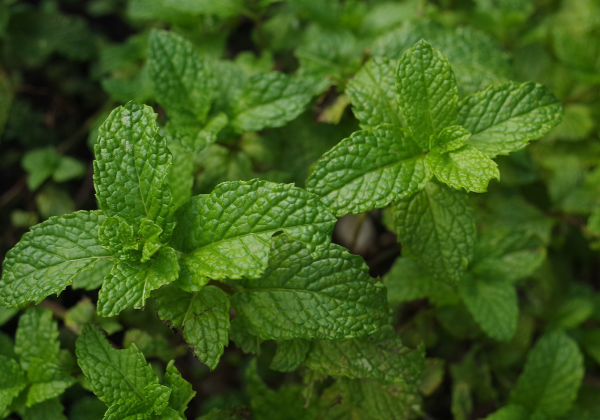
Digestive Comfort
Mint is known for its ability to soothe digestive discomfort, including symptoms of irritable bowel syndrome. It calms the muscles of the gastrointestinal tract, reducing spasms and cramps, and promoting the flow of bile. It’s like a natural remedy that can help alleviate bloating and indigestion, and even reduce nausea.
The essential oils in peppermint leaves are the secret behind mint’s digestive benefits. They work wonders to soothe digestive woes, making mint a great addition to your diet if you experience digestive discomfort.
Fresh Breath and Dental Health
Mint can also freshen your breath and support dental health. It stimulates saliva production, which helps keep your mouth clean and free from odor-causing bacteria. Mint also has germicidal properties that can help keep your mouth healthy.
The benefits of mint for oral health include:
- Giving your mouth a cool, refreshing feeling
- Killing off harmful bacteria, preventing cavities and gum infections
- Freshening your breath
- Keeping your oral health in check

5 Herbs with Health Benefits
Exploring the world of herbs has shown us that these small plants offer more than just great flavor. They provide significant health benefits, such as boosting the immune system, improving brain function, supporting heart health, and regulating blood sugar levels.
The five herbs we discussed—basil, rosemary, thyme, parsley, and mint—each have unique qualities that make them valuable additions to any diet. They aren’t just common kitchen ingredients; they are powerful allies for your health.
So which of these five is already in your kitchen right now, and which one are you adding this week? Tell me in the comments — I’m always curious which herbs people reach for without even realizing they’re doing their body a favor.








I love using basil while I’m cooking. Trying to incorporate more fresh herbs into my cooking for not just the flavor, but the health benefits!