Lemon Balm | Plant This Zesty Herb to Live a Better (and Healthier!) Life
Do you love the fresh, zesty taste of lemon in your food and drinks? Meet your new herb best friend: lemon balm. Fair warning, it’s about to take over your tea rotation.
Lemon balm, also known as Melissa officinalis, isn’t just a bright addition to your meals — it comes with a genuinely impressive resume: easing stress and anxiety, aiding digestion, and smelling incredible the whole time. It’s one of my must-haves, year-round.
This post may contain affiliate links, which means I may earn a small commission at no extra cost to you. As an Amazon Associate, I earn from qualifying purchases. I only recommend things I genuinely use and love, and I truly appreciate you supporting my small business. 💚 See my disclosure page for details.
I am not a doctor or medical professional. The content on this site is for informational purposes only and should not be taken as medical advice. Always consult a healthcare provider before making any health-related decisions. Read the medical disclaimer here.
Why is it a fantastic herb?
Let’s start with why this herb deserves a permanent spot in your garden.
It’s got a cheerful citrus scent that freshens up any space, and it’s about as beginner-proof as herbs get.
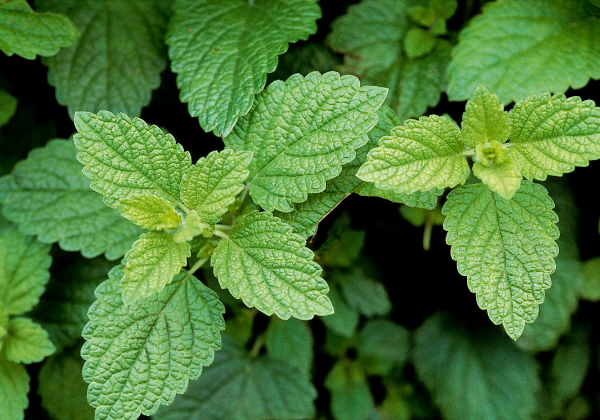
Lemon balm is a perennial and a member of the mint family — hardy, adaptable, and happy in pots, planters, or garden beds. Basically, it thrives on being ignored a little.
Quick heads-up on that mint-family membership, though: if you’ve ever grown mint, you know exactly how enthusiastically it spreads. My advice — keep lemon balm in a pot unless you’re fully on board with finding it popping up in places you never planted it.

Growing Lemon Balm
Pick a spot with plenty of sun and well-draining soil, though lemon balm is forgiving enough to handle partial shade if that’s all you’ve got.
Sow seeds directly or start them indoors and transplant later — or just grab a starter plant from the herb section at most nurseries if you’d rather skip the seed-starting step. My seeds from Botanical Interest did great last year, and True Leaf Market has a solid organic option too.
Water regularly but don’t overdo it — lemon balm actually prefers its soil on the slightly drier side.
It’ll grow up to about 2 feet tall and bloom with small white flowers come summer, and bees absolutely love it — always a welcome bonus in my book.
Curious what else you can do for pollinators? Here’s the full rundown.
Propagate Lemon Balm
Being part of the mint family also means lemon balm is refreshingly easy to propagate.
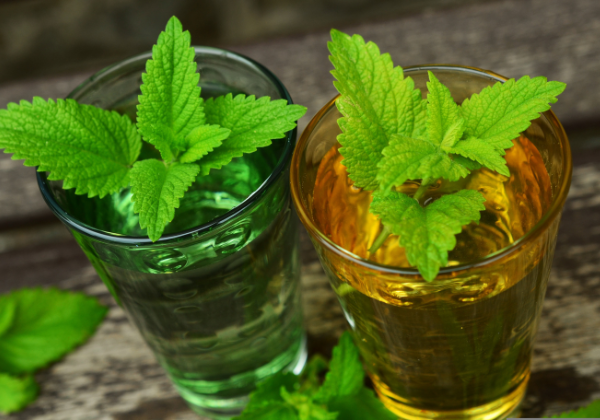
All you need is a jar, water, scissors, and a healthy lemon balm plant. Snip a 6-inch stem, strip the leaves off the bottom two inches, and set it in a jar of water with just those bare two inches submerged. Give it a bright spot out of direct sun, and watch the roots show up over the next few weeks.
Once it’s rooted, it’s time to move it into soil. Fill a pot with potting mix, poke a small hole in the center, and gently transfer the plant in without damaging those new roots. Pat the soil around the stem to hold it in place.
Water it generously right after transplanting, keep the soil moist (not swampy), and set it somewhere sunny. From there, it’s smooth sailing.
Lemon Balm Benefits
Once your plant’s matured, the payoff starts. Lemon balm is loaded with essential oils that calm the nerves, ease tension, and generally make you feel like you’ve got it together. It’s one of the most versatile herbs I grow, hands down.
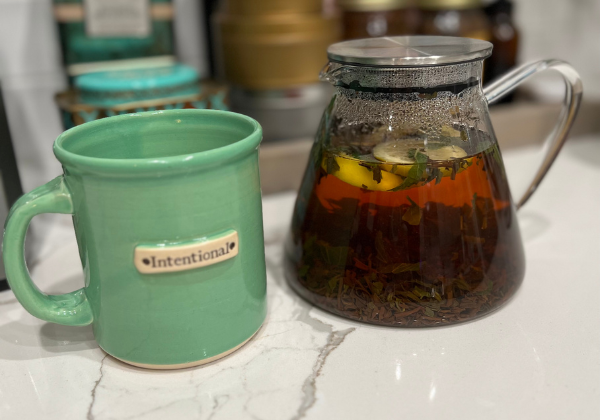
Steep the leaves into a calming tea, or toss a handful into your bathwater for a fragrant, relaxing soak.
The benefits don’t stop there — lemon balm also has antiviral properties that can help fend off colds and flu, plus a healthy dose of antioxidants to protect your cells from everyday damage.
It’s just as good in the kitchen. That bright, citrusy flavor works beautifully in salads, as a cocktail garnish, or blended into a lemon balm pesto with pine nuts, garlic, and olive oil.
Whether you’re a seasoned gardener or just starting out, lemon balm earns its spot. It’s easy to grow, smells incredible, and does a genuinely impressive amount of work for something this low-maintenance — which is exactly why I keep it going year-round, indoors in winter if I have to.
Give it a try and start experimenting — in your tea, your cocktails, your pesto, wherever. Don’t be surprised if it becomes a permanent fixture.
Okay, be honest — do you already have lemon balm growing somewhere, or is this the herb that finally gets you to start? Tell me in the comments, and if you’ve got a favorite way to use it, I want to steal it.