Grow Chamomile: Your Path to a Relaxing Garden Retreat
Gardening is already pretty therapeutic, but if you want to take it up a notch, chamomile is where it’s at. Those delicate, daisy-like blooms and that soothing, apple-y scent aren’t just doing wonders for your garden — they’re basically doing wonders for you too.
Why Grow Chamomile?
Chamomile’s been a wellness staple for centuries, and it’s not just about tea and essential oils — it’s genuinely good for your garden too. Plant it and you’ve got a pollinator magnet that draws in beneficial insects, all without a drop of the harsh chemicals non-organic operations rely on.
Want the full pollinator rundown? → Bee Paradise: Designing a Garden That Buzzes with Life.
It’s also low-growing, which makes it a solid ground cover — cutting down on soil erosion and crowding out weeds — all while asking almost nothing of you in return.
From Soil to Cup: Benefits of Chamomile
Chamomile’s gentleness isn’t just an aesthetic thing — it runs all the way through the plant. Depending on how you prepare it, you get a slightly different side of chamomile: culinary, medicinal, or purely aromatic.
Healing Powers
Chamomile has centuries of traditional-medicine cred behind it — anti-inflammatory, antiseptic, and mildly pain-relieving. It’s been reached for again and again for digestive issues, skin irritation, and menstrual cramps.
A Steaming Cup of Tea
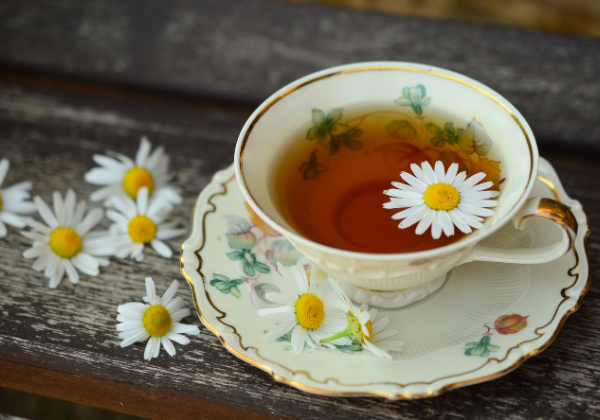
Chamomile tea is the classic move for a reason — a warm cup before bed is basically a natural off-switch for your brain.
And it couldn’t be simpler to make: dried flowers, hot water, five minutes of steeping, and you’re basically drinking relaxation.
In the Kitchen
Chamomile brings a gentle floral note wherever it shows up — pastries and desserts are the obvious move, but it holds its own in savory dishes too. Infuse it into a syrup, stir it into a salad dressing, or use it as a delicate garnish.
Aromatherapy and Essential Oils
That sweet, apple-like scent is basically calm in a bottle — chamomile essential oil is a staple in stress-relief and sleep products for good reason.
In the Garden
In the garden itself, chamomile pulls triple duty: great in compost, a natural pest deterrent, and it can actually help neighboring plants grow better when worked into the soil.
Chamomile Varieties to Consider for Your Garden
When it comes to adding chamomile to your garden, you’ll find there are primarily two types to consider: German chamomile (Matricaria recutita) and Roman chamomile (Chamaemelum nobile). While both bear the hallmark daisy-like flowers and sweet fragrance, they offer distinct growth habits and uses that cater to different gardening needs.
German Chamomile (Matricaria recutita)
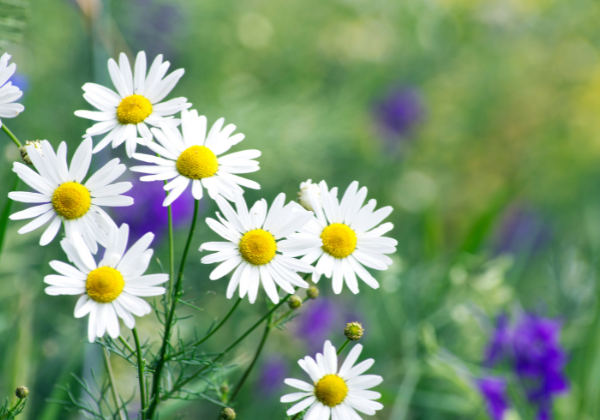
German chamomile, also known as wild chamomile, is the more commonly grown of the two. It is an annual that can self-seed prolifically, ensuring its return year after year. This variety can grow quite tall, often reaching up to two feet in height, and it features an abundance of delicate flowers with a sweet, apple-like fragrance. German chamomile is favored for its medicinal properties, with its flowers being harvested to make tea that aids in relaxation and digestion.
Roman Chamomile (Chamaemelum nobile)
Roman chamomile is a perennial that grows low to the ground, usually not exceeding a foot in height, making it an excellent choice for ground cover or edging paths. It has a more fragrant leaf compared to its German counterpart and produces flowers that are used similarly for teas and aromatherapy. Due to its perennial nature, Roman chamomile requires a bit more in terms of plant care but offers the benefit of not needing to be replanted each year.
Choosing Between the Varieties
Your choice between German and Roman chamomile will depend on your gardening goals. German chamomile is an excellent choice if you are looking for an easy-to-grow plant that will reseed itself and provide plenty of flowers for tea. On the other hand, if you aim to create a fragrant, flowering ground cover that will return year after year, Roman chamomile will serve your needs well.
Either way, you’re getting soothing fragrance and real health perks — the only question is whether you want an annual that reseeds itself or a perennial ground cover that sticks around.
Planting the Seed: How to Grow Chamomile
Growing chamomile is doable even if you’ve never successfully kept a houseplant alive. Let’s get into it.
Choosing Your Location
Chamomile thrives in full sun and well-drained soil. Select a location in your garden that receives at least six hours of direct sunlight each day. If your soil tends to be heavy or compacted, consider planting in a raised bed or container.
Sowing Seeds
Chamomile is typically grown from seed, but you can also propagate the plant through division. Sow the seeds directly into the ground or a container in late winter or early spring, around the last frost date. Space the seeds about 6 inches apart, as chamomile tends to spread.
If you start with seedlings, be cautious about disturbing the roots when transplanting, as chamomile doesn’t like being moved.
Watering and Maintenance
Chamomile prefers dry to moderately moist soil and can tolerate drought. Water the plants sparingly, aiming to keep the soil evenly moist but not waterlogged. Fertilization is rarely necessary if the soil is of good quality and chamomile is resistant to most pests and diseases.
Harvesting and Drying
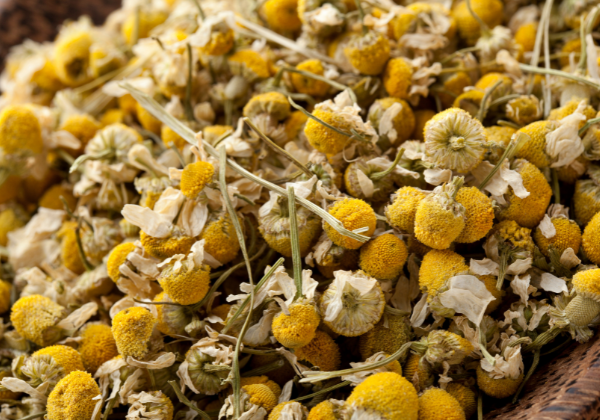
To get the most out of your chamomile, timing is crucial. Harvest the flowers when they are at their peak, usually in the morning when the dew has dried but before the day’s heat has set in. Drying the flowers allows you to preserve their potency, flavor, and aroma for future use.
Common Issues with Growing Chamomile
Like any garden plant, chamomile can encounter its share of problems. Here are some common issues you might come across and how to address them:
Wilting Plants
If your plants are wilting, they may be getting too much water. Scale back and adjust your watering schedule.
Pests
Most insects steer clear of chamomile. Aphids and mealybugs are attracted to chamomile but can be easily washed off the plant with a strong stream of water. Ladybugs and lacewings are natural predators that can help keep these pests in check.
Diseases
Chamomile can be susceptible to certain fungal diseases, especially if the soil is too wet. To prevent issues, ensure good air circulation around your plants and avoid overhead watering.
Not Flowering
If your chamomile isn’t flowering, it may not be getting enough sunlight. Ensure it’s in a sunny location and give it time to establish.
Premature Dropping of Flowers
If your chamomile’s flowers are dropping too soon, it could be due to excessive heat or wind. Providing some shade during the hottest part of the day and a windbreak can help.
Growing Chamomile in Your Garden
Understanding the benefits, applications, and cultivation of chamomile unlocks a genuinely relaxing corner of your garden — whether that means watching bees drift lazily around the blooms or steeping your own bedtime tea from something you grew yourself. Start your chamomile patch today and build yourself a little pocket of calm right in your own backyard. So tell me: are you growing chamomile for the tea, the garden aesthetic, or just to watch the bees enjoy it? Drop your answer in the comments — I love hearing how everyone uses theirs.