Growing Nasturtium: The Edible Flower That Protects Your Garden
Nasturtiums are what I hand to anyone who swears they have a black thumb. Toss a few fat seeds into mediocre soil, wander off, and a few weeks later you’ve got a sprawl of lily-pad leaves and blooms in every shade of sunset. The whole thing is edible, peppery, and quietly useful to everything growing around it. It’s the plant that makes me look like I know what I’m doing, and I will happily take the credit.
Understanding Nasturtium
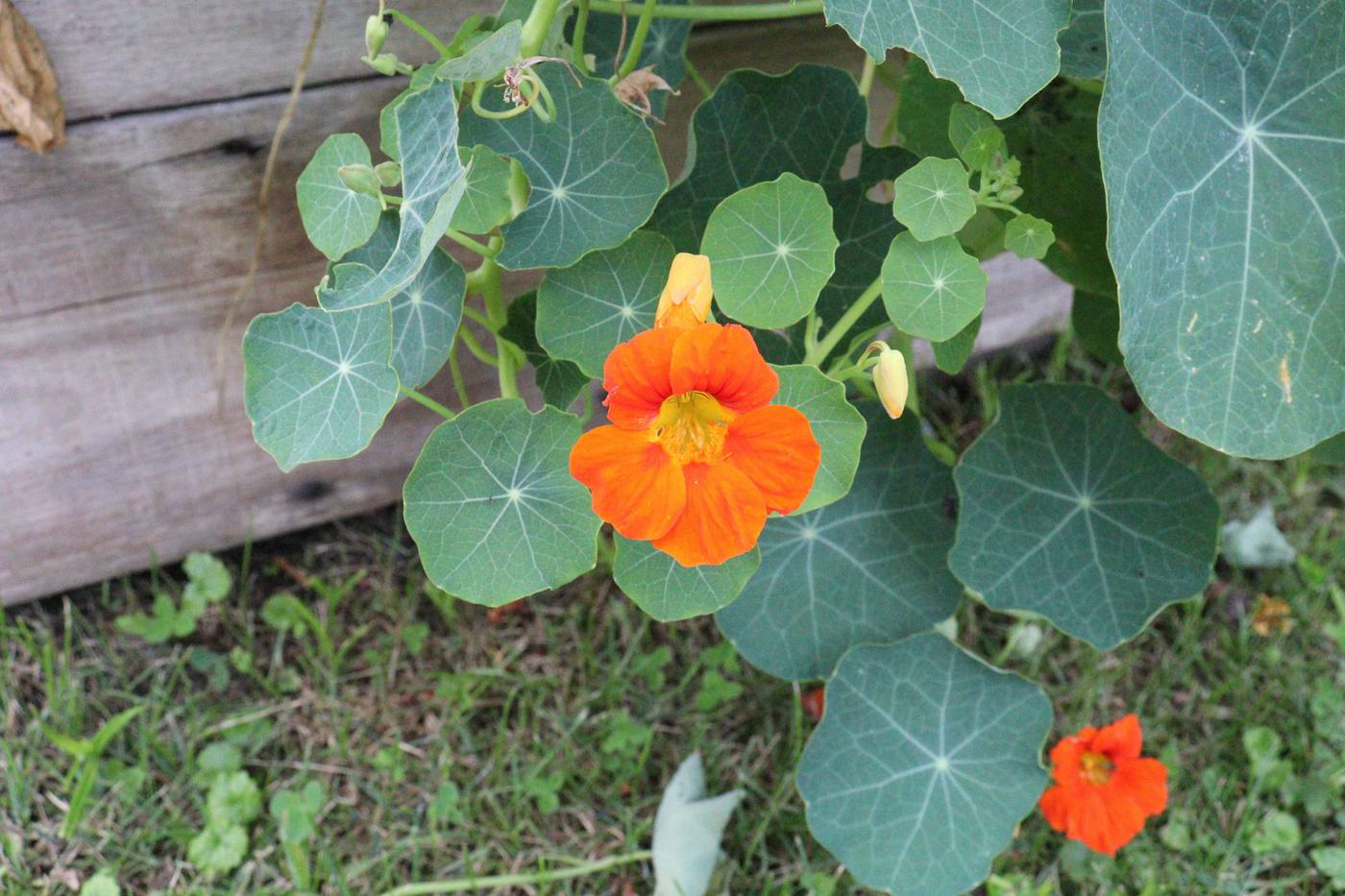
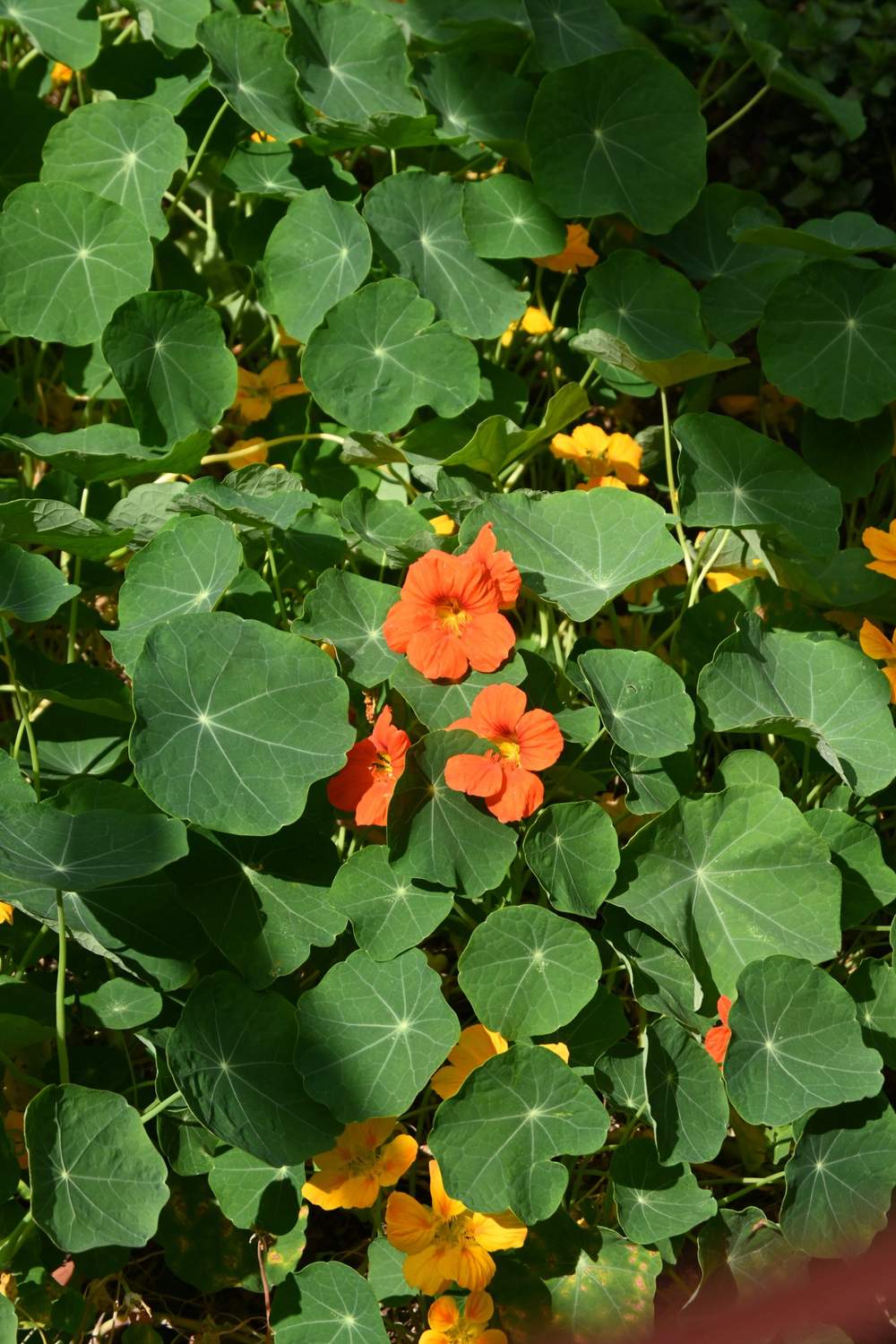
Nasturtium (Tropaeolum majus) is a fast-growing annual with trumpet-shaped flowers and round, waxy leaves, and the leaves and blooms both carry a peppery bite a lot like watercress. It comes in two personalities: mounding types that stay tidy in a border, and trailing types that spill over the edge of a container or scramble up a low trellis like they own the place. It isn’t in the mint family like so many of the herbs we’ve been growing lately. It has a family all to itself, but it has earned its spot in the kitchen garden anyway.
Growing Conditions for Nasturtium
Here’s a plant that wants to be a little neglected, which I find deeply relatable. Give it full sun and well-drained soil on the poor-to-average side. Rich, heavily fed soil gets you giant leaves and hardly any flowers, which is the opposite of what we’re after. Nasturtiums are frost-tender, but they grow so fast from seed that they’re worth replanting every season wherever you live.
And here’s the part most people don’t expect: fall is nasturtium weather on the coast. They hate summer’s heat and humidity, but the cooler days and mild winters along the Emerald Coast are exactly what they like. Plant them now and they’ll bloom for months, right up until a hard freeze finally calls it.
Planting Nasturtium
Direct sow your seeds, because nasturtiums really don’t like having their roots disturbed and sulk if you try to transplant them. Up north that means after the last frost in spring. Here on the Gulf Coast, October and November are the sweet spot. The seeds are big and easy to handle, which makes this a great project for kids, impatient adults, or both. Soak them overnight and they’ll sprout faster. Space bush types 10 to 12 inches apart. Trailing types need room to stretch (or a trellis), since they can wander several feet before you notice.
Caring for Nasturtium
Water regularly while the seedlings settle in, then back off. Once they’re established they’re pretty drought-tolerant and actually bloom better with a little benign neglect. Skip the fertilizer unless your soil is truly sad. This is one of the few plants in the garden where less really is more. Pinching off spent blooms isn’t required, but it keeps the flowers coming.
Fair warning: aphids adore nasturtiums. Plenty of gardeners plant them on purpose as a “trap crop” to lure aphids away from the plants they actually care about. So if you spot a cluster of them, don’t panic. Your nasturtium is doing its job and taking one for the team. Just keep an eye on the numbers, and a strong spray of water usually sorts out the rest.
Harvesting and Storing Nasturtium
Once the plant is established, snip leaves and flowers whenever you like. Both are best used fresh, since neither holds up well dried. If a bloom fades and leaves behind a seed pod, pick the young green ones and pickle them in vinegar for what’s affectionately known as “poor man’s capers.” It’s a fun way to use the part of the plant most people toss, and it makes you sound very fancy at dinner parties.
Culinary and Medicinal Uses
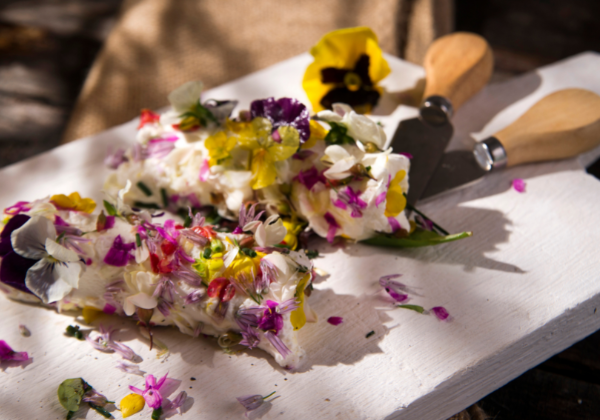
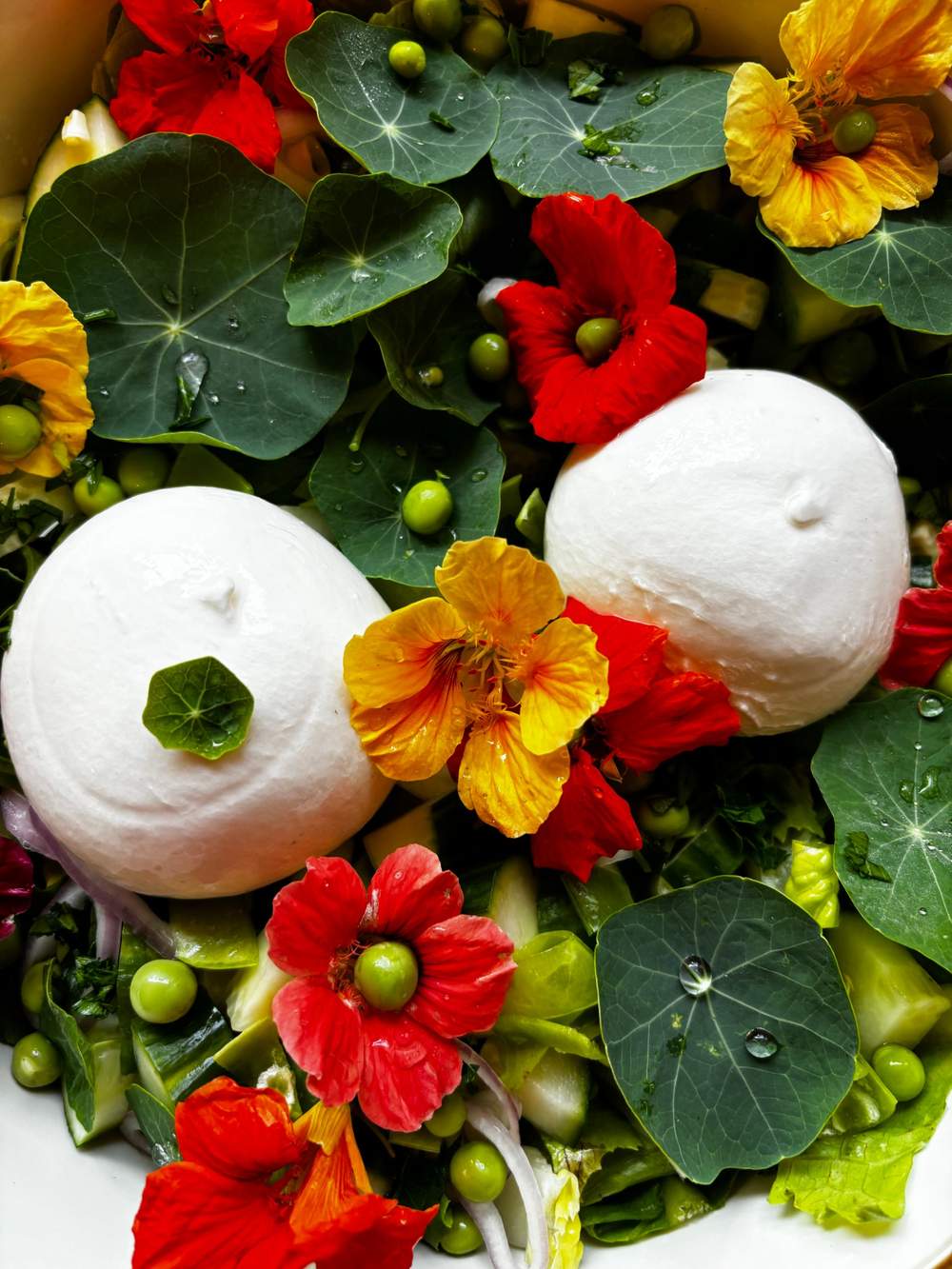
The leaves and flowers bring a peppery, watercress-like kick to salads, and the blooms are hands down one of the prettiest things you can put on a plate. Scatter petals over a salad (burrata and nasturtiums is a gorgeous combination), or stuff a flower with herbed cream cheese for an appetizer that looks like you tried much harder than you did. Nasturtium is also rich in vitamin C and has been used traditionally as a mild antibacterial and to support respiratory health. I mostly grow mine for the plate and the pollinators.
Companion Planting with Nasturtium
This is where nasturtium really earns its keep. Plant it near squash, cucumbers, and the cabbage family, where it lures aphids and cucumber beetles away from your main crop. Tuck it under tomatoes as a living mulch that also helps deter certain pests. It works harder than almost anything else in the vegetable garden, and it does it all while looking like it belongs in a cut-flower bed.
Why I Grow Nasturtium
If a plant can keep itself alive, feed my salads, and protect everything around it, it has a permanent spot in my garden. Nasturtium is easy, generous, and cheerful, and I’m not sure what more I could ask of a flower. It gives back far more than the little effort it takes.
Do you grow the trailing kind, a mounding variety, or a mix of both? I’d love to hear how you use yours, whether it’s in a salad or as a trap crop for your veggie beds. Drop a comment below or tag me @cultivateandnavigate with a photo of your blooms.