Grow Lavender Effortlessly: Tips & Benefits for Your Garden
Picture your garden draped in the kind of heady, calming scent that makes people ask what candle you’re burning — except it’s not a candle, it’s lavender, doing its usual overachieving thing. This perennial is as beautiful as it is useful, and once you understand why, you’ll wonder why every garden doesn’t have a patch of it.
Between the health benefits, the kitchen uses, and the fact that it makes your whole house smell incredible, lavender has become one of my absolute favorites to grow. Keep reading and you’ll see exactly why.
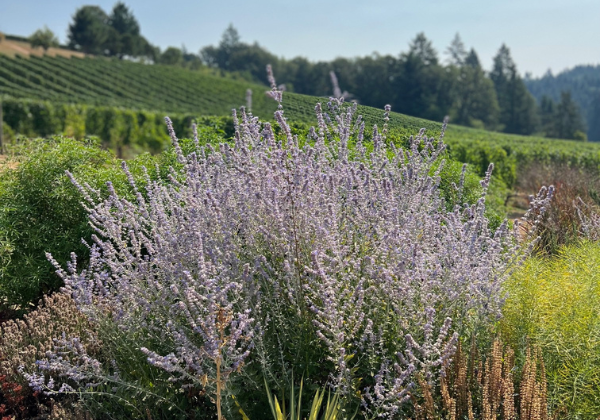
Understanding Lavender at Its Roots
Lavender (Lavandula) is technically part of the mint family, which explains a lot about its resilience. Its fragrant flowers are prized in herbal medicine and aromatherapy, and its floral flavor shows up in the kitchen too — versatile doesn’t begin to cover it.
Lavender is a Perennial Plant
Here’s the best part: once established, lavender comes back year after year — and with the right care, a single plant can keep blooming for 10 to 15 years. Plant it once, enjoy it for over a decade.
Lavender’s Lavish Benefits Reviewed
Before you get your hands dirty, let’s talk about why lavender earns cult status among gardeners. This isn’t just pretty-plant hype — it’s backed by real science and centuries of people swearing by it, from pest control to pure relaxation.
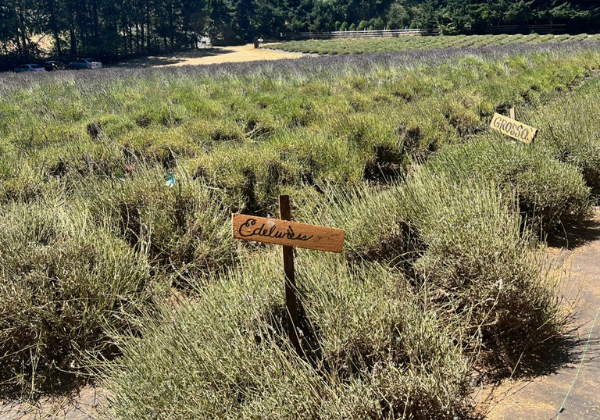
Lavender as a Natural Healer
Lavender isn’t just gorgeous — it’s been a go-to natural remedy for centuries, and for good reason.
It’s known for calming the nervous system, easing anxiety, and improving sleep, and it doubles as a gentle remedy for headaches, minor burns, and skin irritation. Its antibacterial and antifungal properties make it a surprisingly effective natural cleanser, and the scent alone can take the edge off a stressful day.
Lavender for Culinary Creativity
Lavender’s talents extend well past the garden and medicine cabinet — it’s got real range in the kitchen too, adding a floral note to everything from baked goods to savory dishes and tea.
A little goes a long way in baking, cocktails, or wherever else you want a subtle floral twist.
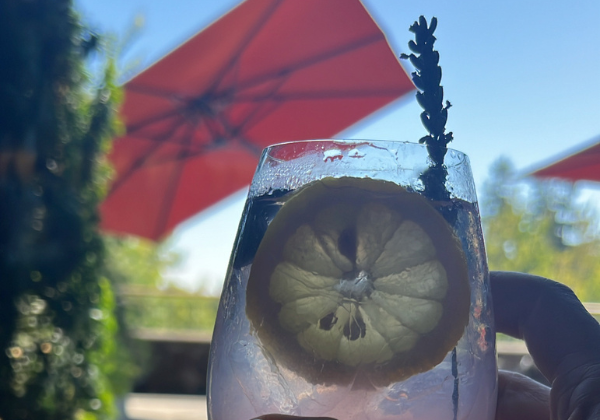
Fair warning: too much lavender and your dish starts tasting like a bar of soap, so use a light hand. It pairs beautifully with honey, lemon, thyme, and rosemary — try it in shortbread, tea, lemonade, or scattered over roasted vegetables for a genuinely unexpected twist.
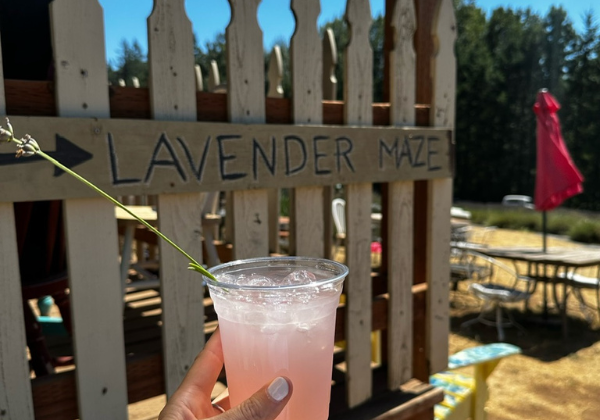
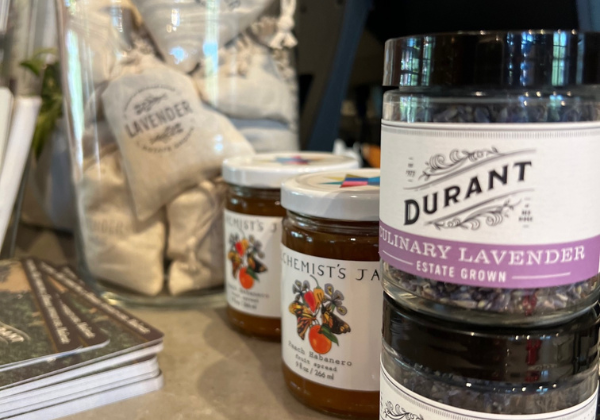
For more inspiration, Little Lavender Farm in Newberg, Oregon has some great drink, side dish, and main dish recipes using culinary lavender. If you’re ever in Willamette Valley wine country, stop by — it was one of my favorite little detours.
Lavender for Pest Control
Most insects can’t stand lavender’s strong scent, which makes it a fantastic companion plant. Tuck a few in with your vegetables or flowers and watch it quietly discourage moths, fleas, flies, and mosquitoes.
Meanwhile, it’s rolling out the welcome mat for bees, butterflies, and other pollinators — repelling the pests you don’t want and attracting the ones you do.
Curious what else you can do for pollinators? → The Buzz About Pollinators: How Gardeners Can Make a Difference.
Aromatic Uses
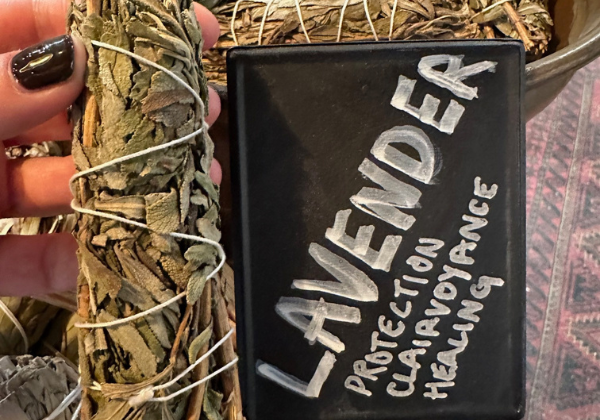
This is lavender’s signature move: essential oils, sachets, potpourri, or just fresh blooms in a vase, all doing the job of freshening up a room and banishing musty closet smells.
Home Cleaning and Craft
If you’re trying to cut back on harsh chemicals, lavender is a genuinely solid ally — make your own all-purpose cleaner or a lavender-infused vinegar, and keep some on hand for its antiseptic properties too.
Feeling crafty? Dried lavender works beautifully in sachets, potpourri, wreaths, and soap — an easy way to bring the scent (and the aesthetic) indoors.
Lavender in Beauty Products
Its anti-inflammatory properties also make it a common ingredient in skincare — creams, lotions, and balms that help soothe irritation and support healing.
Cultivating Lavender – From the Beginning
Starting from scratch? Cultivating lavender is more approachable than people expect. Grow it from seed if you’re patient, or grab seedlings from a nursery if you want a head start. Here’s how to get it going.
Best Time of Year to Plant Lavender
The best time to plant lavender depends a lot on your climate — generally spring after the last frost, though mild-winter regions can get away with a fall planting too. In Florida, my growing season runs almost year-round, but I still treat spring as the safest bet.
Growing Lavender from Seed
Starting from seed gives you access to way more varieties. Begin indoors 8-10 weeks before your last expected frost — lavender seeds need light to germinate, so press them gently into the soil rather than burying them, keep things moist, and add bottom heat if you can swing it.
Purchasing from a Nursery
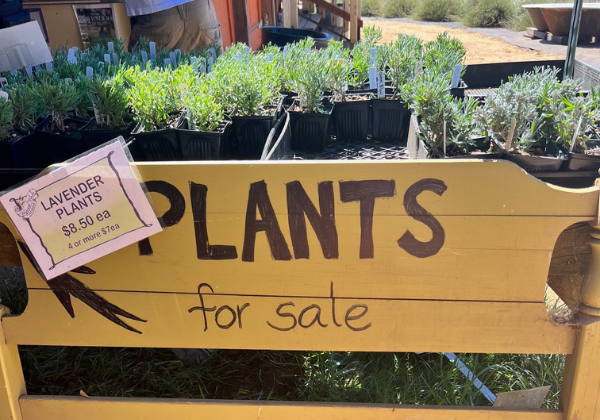
Buying seedlings is the easier route, especially if you’re newer to gardening. Look for healthy plants with solid root systems, and gently loosen the roots before planting so they spread outward. One important note: double-check that your variety actually likes your climate — plenty of classic lavenders sulk in Florida’s humidity.
The Proper Environment for Lavender
Lavender is a plant that thrives when the conditions are just right. Understanding its preferred environment is crucial for success.
Soil and Sun Requirements
Lavender wants full sun — at least 6-8 hours a day — and soil that drains well, so mix in sand or gravel if yours tends to stay soggy. It also prefers a slightly alkaline pH (6.7-7.3). I grow mine in pots, which makes managing the soil (and moving plants out of the rain) much easier.
Watering Lavender
Lavender is drought-tolerant once it’s settled in, and overwatering is genuinely its biggest threat. Water deeply, then let the soil dry out before doing it again. Growing in pots means I can relocate mine when Florida decides to dump rain for a week straight.
Lavender Plant Care
Caring for your lavender ensures a bountiful, beautiful display year after year.
Pruning Lavender
To maintain the shape of your lavender and to encourage bushier growth and more blooms, prune your plants annually. After the first year of growth, cut back about one-third of the plant in the spring, just as new green growth begins.
Fertilizing Lavender
Lavender doesn’t require much fertilizer; in fact, too much can lead to a decrease in oil production and a leggy, unattractive plant. A light application of a balanced fertilizer in the spring is sufficient.
Controlling Pests and Diseases
Lavender is relatively pest and disease resistant, but it can occasionally fall victim to root rot, especially if it’s overwatered. Avoid this by providing well-draining soil and not overwatering your plants. Keep an eye out for aphids, which can be sprayed off with a strong jet of water, or controlled with insecticidal soap if the problem is more severe.
Harvesting and Storing Lavender
Knowing when and how to harvest and store your lavender is the key to preserving its beauty and usefulness.
Harvesting Lavender
Harvest lavender in the morning after the dew has dried but before the full heat of the day sets in. Cut the flower stems just above the leaves, leaving a small portion to encourage regrowth.
Drying and Storing Lavender
Fresh lavender will last a few weeks if stored property. Wrap fresh sprigs in a damp paper towel, place in a resealable plastic storage bag, and keep in the fridge.
To dry lavender, hang small bunches upside down in a cool, dry location with good air circulation. Once dry, remove the flowers from the stems and store them in an airtight container away from light and heat. Your dried lavender will maintain its potency for up to a year.
The Satisfying End to Your Lavender Journey
However big or small your setup, growing lavender is genuinely rewarding — equal parts sweet scent and a steady supply of gorgeous blooms. The real secret isn’t the planting, it’s sticking with the care long enough to get to the harvest.
A little patience (and maybe a little obsession) turns a tiny seedling into a fragrant, resilient plant that quietly makes your whole garden better.
Do you already grow lavender, or is this the year you finally start? Tell me your favorite way to use it in the comments — I’m always collecting new ideas.