Spring Herb Gardening Made Easy
There’s something about spring that just begs you to start over. Windows open, ground warm enough for bare feet, that first cup of morning tea sipped in actual daylight instead of the dark. And somewhere in there, the thought creeps in: I should grow something.
And then, the thought arrives: I should grow something.
If you’ve been dreaming about starting an herb garden, or reviving the one that quietly gave up on you last year, spring is your moment. It’s the most forgiving season there is, and honestly one of the easiest ways to feel like you have your life together.
Let’s make that dream simple and, more importantly, achievable.
Why Spring Is the Best Time to Start an Herb Garden
Spring is the ideal season for new beginnings in the garden, setting you up for success like no other. By planting now, you’re working in harmony with nature’s rhythm. The soil is warm, helping roots establish themselves quickly, while longer days provide the abundant sunlight that herbs crave. Plus, consistent spring showers mean less time spent watering.
This season also offers the perfect window for experimentation. If a plant doesn’t thrive, you have ample time to adjust your approach or replant before the intense summer heat arrives.
Think of spring as your garden’s low-pressure practice round—the perfect time to learn and grow.
The Best Herbs to Plant in Spring
If you’re new to gardening, resist the temptation to plant everything at once. It’s better to start with a small, manageable herb garden than one that feels overwhelming.
Begin with herbs that are:
- Forgiving and easy to care for
- Quick to grow
- Versatile in everyday cooking (or cocktails, depending on your priorities)
Here are a few herbs to get your spring garden started:
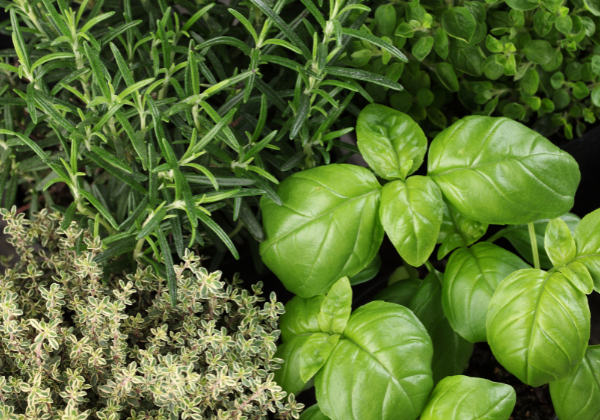
- Basil: Perfect for salads and pasta, this herb thrives in warmth.
- Mint: A vigorous grower; best to keep it in a container unless you want it to take over.
- Rosemary: A low-maintenance, drought-tolerant option for any garden.
- Thyme: This hardy herb is subtle and versatile in the kitchen.
- Chives: One of the easiest and most rewarding herbs you’ll ever grow.
- Parsley: A bright, fresh, and beginner-friendly addition to your patch.
- Oregano: Delivers a strong, aromatic flavour with minimal effort.
If you’re unsure where to begin, start with three or four herbs you use weekly—that’s the sweet spot for a budding herb garden.
👉 Want to go deeper on Spring planting?
→ Read: Timing is Everything: Know When to Plant Seedlings for Spring
Container vs. In-Ground: What Should You Do?
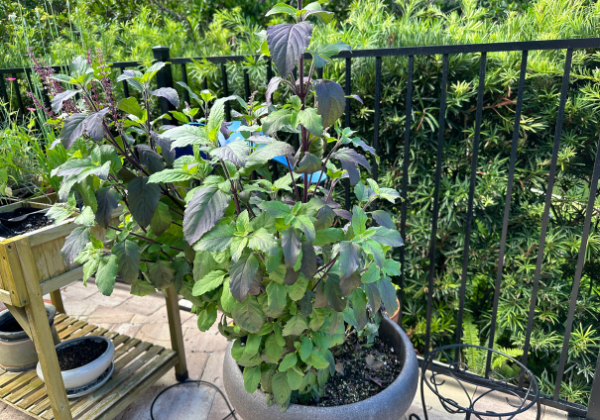
Choosing between containers, raised beds, and planting directly in the ground depends on your unique space and lifestyle—there’s no single “right” way to create a garden.
Containers are ideal if:
- You live near the coast, where wind and salt air are significant factors.
- You want the flexibility to move your plants to catch the sun or protect them from storms.
- You’re gardening on a patio, balcony, or in a small yard.
Raised beds are a beautiful middle ground if:
- You want more control over your soil quality without starting completely from scratch.
- Drainage is a concern (especially helpful in our sandy coastal areas).
- You like a more structured, intentional garden layout that still feels abundant.
- You prefer less bending and easier maintenance—your back will thank you later.
In-ground planting works best if:
- Your soil has good drainage—this is crucial for plant health.
- You aim to cultivate a larger, more established garden.
- You prefer to water less frequently, as the ground retains moisture longer.
Here’s an insider tip: Even with a large yard, keeping a small container herb garden by your kitchen door makes it much more convenient to snip fresh herbs while you cook.
👉 Need help setting it up?
→ Read: Beginner Herb Garden Setup (Step-by-Step Guide)
Container vs. In-Ground: What Should You Do?
Choosing between containers, raised beds, and planting directly in the ground depends on your unique space and lifestyle—there’s no single “right” way to create a garden.
Containers are ideal if:
- You live near the coast, where wind and salt air are significant factors.
- You want the flexibility to move your plants to catch the sun or protect them from storms.
- You’re gardening on a patio, balcony, or in a small yard.
Raised beds are a beautiful middle ground if:
- You want more control over your soil quality without starting completely from scratch.
- Drainage is a concern (especially helpful in our sandy coastal areas).
- You like a more structured, intentional garden layout that still feels abundant.
- You prefer less bending and easier maintenance—your back will thank you later.
In-ground planting works best if:
- Your soil has good drainage—this is crucial for plant health.
- You aim to cultivate a larger, more established garden.
- You prefer to water less frequently, as the ground retains moisture longer.
Here’s an insider tip: Even with a large yard, keeping a small container herb garden by your kitchen door makes it much more convenient to snip fresh herbs while you cook.
👉 Need help setting it up?
→ Read: Beginner Herb Garden Setup (Step-by-Step Guide)
Sun, Water & Soil (The Only 3 Things That Matter)
You don’t need fancy tools or a complicated system. If you get these three things right, your herbs will do the rest.
- Sun: Aim for 6+ hours daily (there are some herbs that require less sun so make sure
- Water: Keep soil lightly moist—not soggy, not bone dry
- Soil: Use a well-draining mix (this is the quiet hero of your garden)
If something looks “off,” it’s almost always one of these three.
👉 Troubleshooting issues?
→ Read: 10 Mistakes That Are Killing Your Herb Garden
When to Start Harvesting
Here’s where most beginners hesitate—but this is actually the secret to better growth.
- Start harvesting early (yes, really)
- Trim often to encourage fullness
- Never take more than ⅓ of the plant at once
The more you harvest, the more your herbs grow back stronger.
And the best part? You start cooking with something you grew—fast.
👉 Not sure how to use what you grow?
→ Try: 5 Ways to Use Fresh Mint (Beyond Mojitos)
→ Explore: Easy Herb-Infused Oils & Butters
Make It a Ritual, Not a Task
This is where your herb garden becomes more than just a “project.”
It becomes:
- Your morning pause with coffee in hand
- A quick reset between emails or errands
- A small, grounding moment at the end of the day
You don’t need rows of perfection.
You just need a few pots, a little consistency, and the willingness to step outside.
Over time, it becomes less about growing herbs—and more about how it makes you feel.
What to Do Next
If you’re ready to keep going, here’s your next step:
→ Herb Companion Planting for a Thriving Garden
→ Green Thumb 101: The 6 Must-Have Tools for Seed Starting
→ 10 Mistakes That Are Killing Your Herb Garden
→ 5 Underrated Herbs to Grow for Big Flavor and Wellness Benefits
Final Thoughts
You don’t need a perfect garden.
You don’t need the “right” tools.
You don’t even need a big space.
You just need to start.
Start with one pot. One herb. One small habit.
And then let it grow from there.
Because the magic isn’t in having a beautiful garden—
it’s in tending to something, a little each day, and watching what happens.
💬 Let’s Grow Together
Are you starting fresh this spring, or bringing an herb garden back to life?
I’d love to know what you’re planting this season—or what’s been surprisingly hard (we’ve all had that one herb 😅).
Drop a comment below and share what you’re growing, loving, or learning. And if you have a favorite herb you swear by, I’m always looking for something new to try.