Growing Bee Balm: The Pollinator Magnet Every Garden Needs
There’s a spot in my garden that hums—literally—from June through late summer, and it’s all thanks to bee balm. The moment those shaggy, firework-shaped blooms open, the hummingbirds and bumblebees show up like clockwork, and I genuinely can’t think of another plant that pulls its weight quite like this one does between pollinator appeal, historical charm, and a cup of tea you can grow yourself.
Understanding Bee Balm
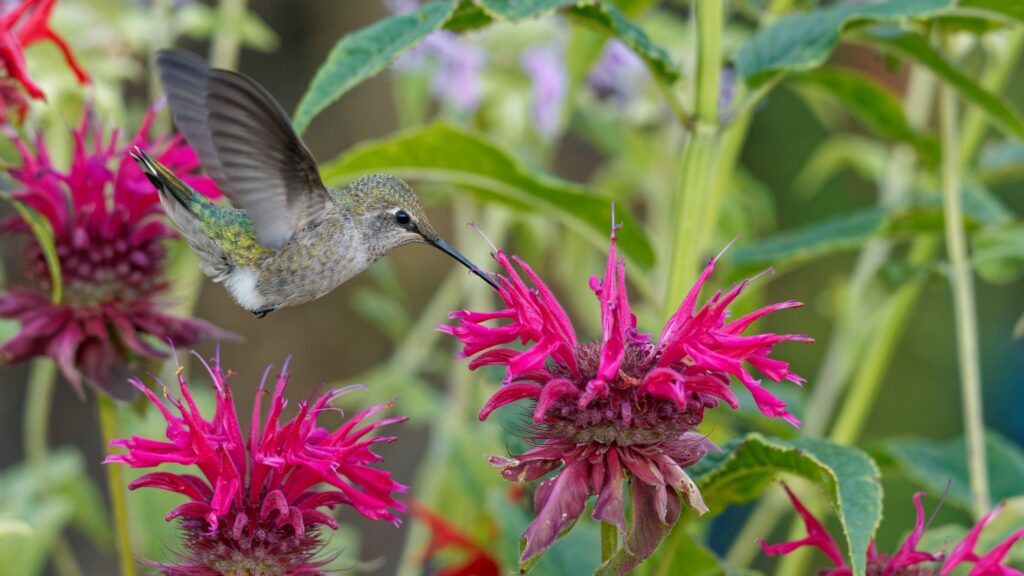
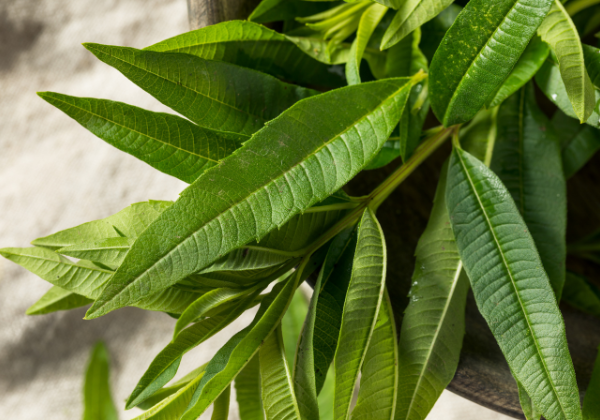
Bee balm (Monarda didyma), also known as bergamot or Oswego tea, is a native North American perennial in the mint family. That parentage shows—square stems, a spreading habit, and leaves that release a citrusy, slightly minty fragrance when you brush past them. Colonists reportedly steeped the leaves into tea after the Boston Tea Party made imported tea scarce, and the Oswego people had already been using it medicinally long before that, which is part of why I love growing something with this much story behind it.
The plant sends up two-to-four-foot stems topped with clusters of tubular, spidery flowers in shades of red, pink, purple, or white depending on the variety. It’s a magnet for hummingbirds, bees, and butterflies, which makes it one of the best plants you can add if you’re trying to turn a corner of your yard into a genuine pollinator hangout.
Growing Conditions for Bee Balm
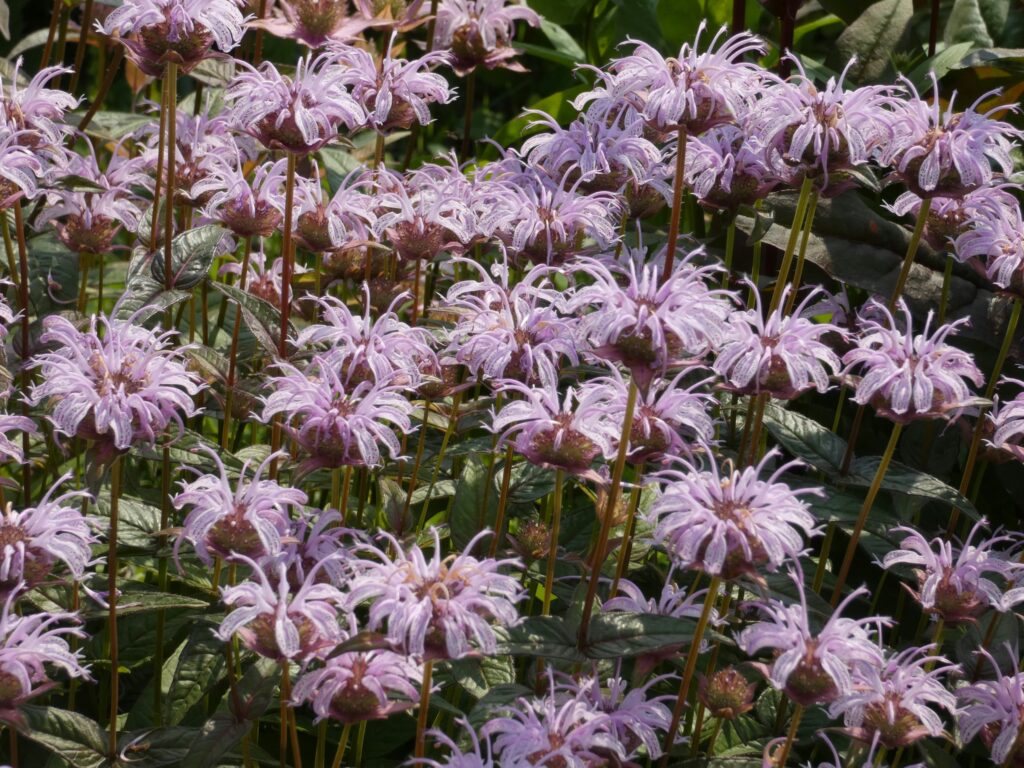
Bee balm wants full sun to light afternoon shade and rich, consistently moist, well-drained soil. It’s hardy in USDA zones 4 through 9, so most gardens can grow it without much fuss. The one thing to plan for, especially here on the Gulf Coast, is humidity: bee balm is famously prone to powdery mildew when air doesn’t move freely around the leaves. Good spacing and a spot with decent airflow will save you a lot of headaches later.
If mildew has been a problem for you before, look for resistant cultivars like ‘Jacob Cline’ or ‘Marshall’s Delight’—they hold up beautifully even in sticky summers.
Planting Bee Balm
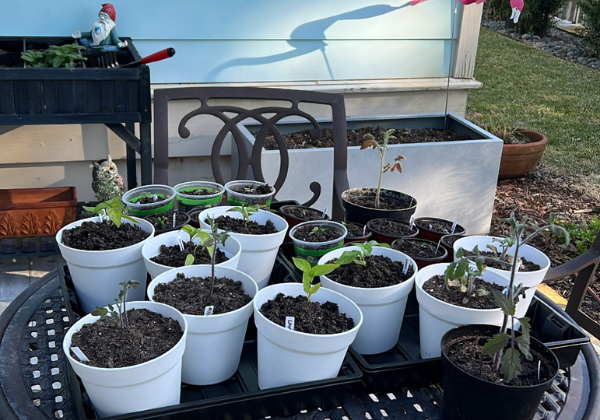
You can start bee balm from seed, but division or nursery starts will get you blooms much faster. Space plants 18 to 24 inches apart—wider than feels natural at first—since good airflow is your best defense against mildew and the plant spreads readily via underground rhizomes. Plant in spring after the last frost, water in well, and mulch to help retain moisture while the roots establish.
Caring for Bee Balm
Keep the soil evenly moist, especially during dry spells—bee balm sulks when it gets too parched. A layer of mulch helps here too. Deadhead spent blooms to encourage a second flush of flowers, and cut the whole plant back by about a third if powdery mildew shows up mid-season; it looks a little rough for a few weeks but bounces back with fresh, cleaner growth.
Because bee balm spreads by rhizomes, plan to divide clumps every two to three years in early spring or fall. It keeps the plant vigorous and gives you free starts to expand your pollinator patch or share with a gardening friend.
Harvesting and Using Bee Balm
Harvest leaves any time during the growing season, and pick flowers just as they open for the best flavor and color. For tea, dry the leaves and petals in a single layer somewhere warm and out of direct sun, then store them in an airtight jar. Fresh petals also make a gorgeous, slightly peppery garnish for salads or summer cocktails, and the flavor is often compared to Earl Grey tea—which makes sense, since true bergamot orange is where that tea gets its name (bee balm just borrowed the nickname).
Companion Planting and Pollinator Power
Gardening folklore says bee balm planted near tomatoes improves their flavor and growth, and while the science on that is thin, there’s no debating its value as a pollinator draw. Tuck it into a border with coneflower, yarrow, and black-eyed Susan for a summer-long buffet that hummingbirds and native bees will find from the sky. It’s also deer-resistant, which is always a welcome bonus.
Why I Grow Bee Balm
Bee balm is one of those plants that makes the garden feel alive—there’s nearly always something buzzing or hovering around it, and that kind of activity is exactly why I keep making room for it. It’s low-maintenance once it’s settled in, it comes back reliably every year, and it gives me a homegrown tea I actually reach for.
Have you grown bee balm before, or are you thinking about adding it this season? I’d love to hear which variety you’re eyeing—drop a comment below or tag me @cultivateandnavigate with a photo once it blooms.