The Best Way of Growing Lemongrass at Home
Lemongrass is the herb that makes your kitchen smell like a Thai restaurant and your tea taste like something out of a spa brochure. It’s in everything from curries to calming teas, and once you’ve cooked with the fresh stuff, the dried jars at the grocery store just don’t compare. So why keep buying it when you can grow your own?
Growing it yourself means a fresh supply on demand, plus your garden smells incredible every time you brush past it. And if you’re gardening in zone 9 or 10 like me, here’s the best part: this stuff is a perennial, not a one-season fling.
If you’ve been eyeing lemongrass at the nursery and wondering if you can actually keep it alive, you’re in the right place. Let’s walk through exactly what it takes to grow it, whether you’ve got a whole backyard or just a sunny windowsill.
This blog provides general information and discussions about health and related subjects. The information and other content provided in this blog, website, or in any linked materials are not intended and should not be construed, or used as a substitute for, medical advice, diagnosis, or treatment. Please read the Health and Medical Disclaimer HERE
This post may contain affiliate links, which means I may earn a small commission at no extra cost to you. As an Amazon Associate, I earn from qualifying purchases. I only recommend things I genuinely use and love, and I truly appreciate you supporting my small business. 💚 See my disclosure page for details.
I am not a doctor or medical professional. The content on this site is for informational purposes only and should not be taken as medical advice. Always consult a healthcare provider before making any health-related decisions. Read the medical disclaimer here.
Choosing the Right Lemongrass Variety
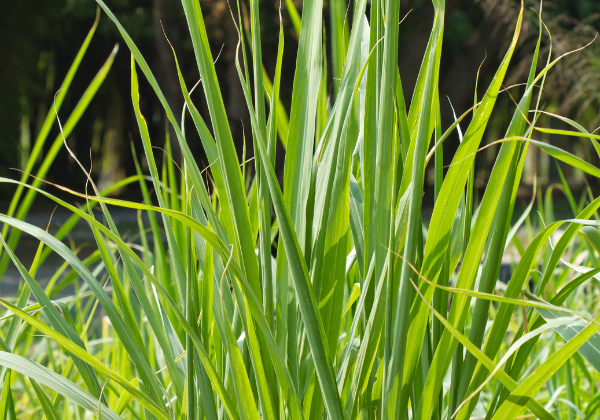
Step one is picking your variety, and don’t worry, this isn’t complicated. The two you’ll run into are Cymbopogon citratus (West Indian) and Cymbopogon flexuosus (East Indian).
If you are looking for a variety primarily for cooking, West Indian lemongrass is your best bet. Originating from Malaysia, it is renowned for its intense citrus flavor and aroma, making it a favorite in many kitchens. *Hint* This is the variety you’ll likely find in most nurseries in the United States.
On the other hand, East Indian lemongrass, which is native to India, Sri Lanka, Burma, and Thailand, is versatile enough for both culinary uses and the perfume industry due to its long-lasting oil. Depending on your primary use—whether for its flavor in dishes or its aromatic properties—select the variety that best suits your needs.
Planting Lemongrass
Since lemongrass is a tropical plant at heart, getting the timing and location right makes all the difference.
Lemongrass thrives in warm, humid climates, akin to its native Southeast Asia. It loves full sun, so choose a spot in your garden that receives at least six hours of direct sunlight daily. While lemongrass is quite hardy, it prefers well-draining soil rich in organic matter. If your garden soil is heavy or clay-like, consider adding sand or compost to enhance drainage and fertility. Living in Florida, my soil is quite sandy, so I have to amend almost anything I plant in the ground.
Correct planting methods pave the way for a healthy and abundant harvest.
The Importance of Proper Drainage
Proper drainage is crucial for lemongrass, as it prevents waterlogging, which can rot the roots. When planting in the ground, make sure the soil is loose and well-aerated. If you’re potting your lemongrass, ensure the container has several drainage holes. Using a potting mix with good drainage properties can also help maintain the right moisture balance.
When to Plant
Lemongrass should be planted in the spring after all chances of frost have passed. The ideal time to plant is when temperatures are consistently above 40°F and ideally between 70°F to 90°F. This herb’s cold tolerance level is pretty much non- existent so it’s important to not plant too early.
Start by acclimatizing young garden plants to outdoor conditions before transferring them to your garden in early summer.
Selecting Lemongrass Plants
Here’s a fun secret: you can start your entire lemongrass patch from a bunch you bought at the grocery store or farmers market. Just look for firm, healthy stalks with a little root nub still attached, and you’re basically buying a plant disguised as produce.
Growing Lemongrass from Stalks
Instead of using seeds, you can also propagate lemongrass from fresh stalks. This method is simple and effective, especially if you can access fresh, firm stalks from the market. Or you can propagate from what’s already growing in your garden like me! I absolutely love to propagate any and every plant and herb I can! Not just to expand my garden or houseplants. The propagations make great little gifts to others!

Rooting Stalks in Water
To root juicy stalks in water, select firm, fresh stalks and remove any leaves. Place the stalks in a glass of tepid water on a sunny windowsill and refresh the water daily until roots form.
Transplanting Rooted Stalks
Once roots have formed, transplant the stalks into small pots filled with peat-free, multi-purpose compost. Keep the pots warm and water regularly until the roots fill the pot.
Growing Lemongrass from Seeds
Cultivating lemongrass from seeds can yield satisfying results. Start the seeds in a warm, humid environment, ideally at a temperature of 70–75°F to encourage germination. Using a heat mat can help maintain the ideal temperature.
Check out Green Thumb 101: the 6 must-have tools for seed starting for my favorite seed starting tools!
Remember, lemongrass seeds need light to germinate, so avoid covering them with soil.
Searching for lemongrass seeds? Find some at Eden Brothers or True Leaf Market.
Indoor Seed Starting
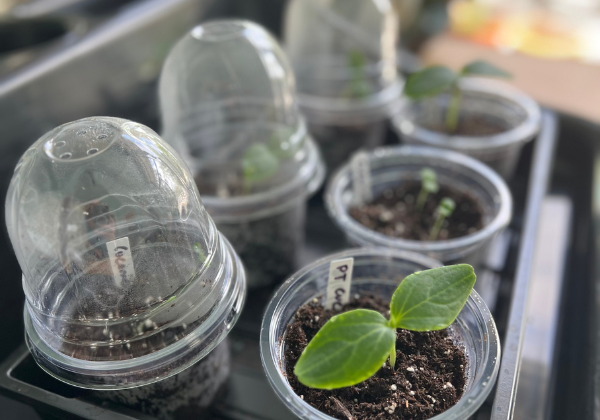
For indoor seed starting, follow these steps to sow lemongrass seeds:
- Use cell packs or flats and lightly cover the seeds with compost.
- Use a seed starting mix instead of garden soil.
- Maintain consistent moisture without overwatering to prevent mold growth.
A heat mat can ensure a stable temperature for faster germination.
Direct Sowing in the Garden
If you prefer direct sowing, wait until air temperatures reach 60°F. Loosen the garden soil to a depth of at least 6 inches, then sow the seeds and cover lightly with compost.
Mulching around the seedlings can help retain moisture and suppress weeds.
Care and Maintenance of Lemongrass
Once it’s in the ground, lemongrass care is pleasantly low-drama: water it, feed it occasionally, and give it the occasional trim. Keep those three things balanced and it’ll reward you with vigorous, jungle-like growth.
Watering Requirements
Lemongrass requires regular watering to keep the soil moist but not waterlogged. In indoor settings, reduce watering to once every two weeks during winter months.
Mulching can help retain moist soil, ensuring moisture retention and deterring weeds.
Fertilizing Lemongrass
Fertilize lemongrass with a fish-based liquid fertilizer in late spring and again in early fall/autumn will provide the necessary nutrients for robust growth. Some people fertilize weekly during the growing season. My suggestion is to test what works best for your climate and yard.
Pruning and Harvesting
Prune lemongrass to maintain its shape and size, and to remove dead or diseased leaves. Harvest stalks once they are 12 inches tall and at least 1/2-inch thick, twisting and pulling them away from the main clump.
Growing Lemongrass in Containers
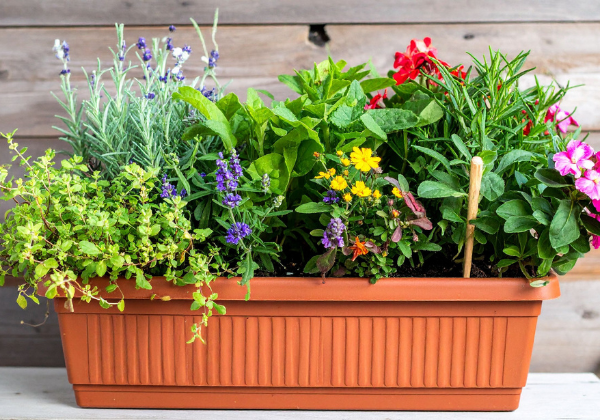
If you have limited garden space or wish to bring plants indoors during chilly winters, growing lemongrass plants in containers is an excellent choice.
This method also helps manage the plant’s vigorous growth.
Choosing the Right Pot
Select a 5-gallon container or a large pot at least 12 inches across to provide enough space for root expansion. Make sure to use a container that allows for growth, as lemongrass can spread quite a bit. Place the pot in a slightly protected location to prevent tipping in windy conditions.
Soil Mix for Containers
Use a well-drained sandy loam soil mix for container-grown lemongrass. This ensures healthy root systems and optimal growth.
Overwintering Lemongrass
To safeguard your lemongrass in winter, you can either bring the containers indoors or keep pruned plants in a cool, dark location. This is crucial for regions with cold winters.
Bringing Plants Indoors
Move container-grown lemongrass indoors when nighttime temperatures drop below 50°F. An unheated garage or shed can serve as a temporary home to protect the plants from freezing. I’ll bring the pots into my screen porch and cover them during cold snaps or the rare freeze in the Florida panhandle.
Winter Care Tips
During winter, place lemongrass in a bright, south-facing window and water sparingly to keep the soil barely moist with water lemongrass.
Lemongrass can also overwinter well in a dormant state in a cool, dark spot indoors.
Common Pests and Diseases
Good news on the pest front: lemongrass is pretty tough. Aphids and spider mites show up occasionally, but a gentle spray of neem oil or insecticidal soap handles them without drama. Just give your plants some breathing room so fungal issues don’t move in on damp, crowded foliage.
Harvesting and Using Lemongrass
Signs That Lemongrass is Ready for Harvesting
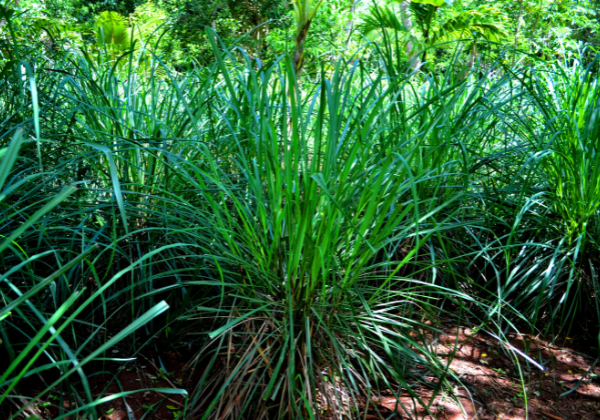
Patience pays off here: your lemongrass will be ready in 4 to 8 months, once the stalks feel thick and firm and smell incredible the second you cut into them. And the more you harvest, the more it grows back, so check in on your plants regularly.
Techniques for Harvesting Lemongrass Without Damaging the Plant
To harvest, use sharp garden shears to cut the stalks close to the ground. Aim to take only about one-third of the stalks at any time, allowing the plant to regenerate. Regular trimming of the leaves can also encourage thicker stalk growth and maintain the plant’s neat appearance.
Uses of Lemongrass
Lemongrass’s remarkable versatility extends to its applications in culinary and medicinal fields. Its citrusy aroma and flavor make it a favorite in many dishes, while its antiseptic properties offer medicinal benefits.
Culinary Uses
In the kitchen, lemongrass is an absolute showoff. It brings that unmistakable citrusy zing to curries, soups, marinades, and even desserts (yes, really, try a lemongrass crème brûlée sometime and thank me later). Chop the tender white stalks fresh or freeze them for later, and don’t sleep on lemongrass tea steeped with a little honey when you’re feeling under the weather.
Medicinal Uses
Beyond the kitchen, lemongrass offers medicinal properties. It’s known for its ability to aid digestion and relieve stress. You can even use it in homemade skincare products for its refreshing scent and antibacterial properties.
Grow Lemongrass in your Garden
Growing your own lemongrass is one of those small garden wins that pays off constantly — fresh stalks whenever a recipe calls for it, and a little taste of the tropics right outside your door.
So tell me — are you growing lemongrass for the kitchen, the fragrance, or both? And if you’ve made anything unexpected with it (looking at you, lemongrass crème brûlée people), I want to hear about it in the comments.
If you’re eager to explore herbs and gardening more, consider subscribing to our newsletter for regular updates and insights. Together, let’s cultivate a shared passion for bringing the beauty and bounty of nature into our homes and kitchens.