Growing Calendula: The Cheerful Edible Flower for Fall and Spring
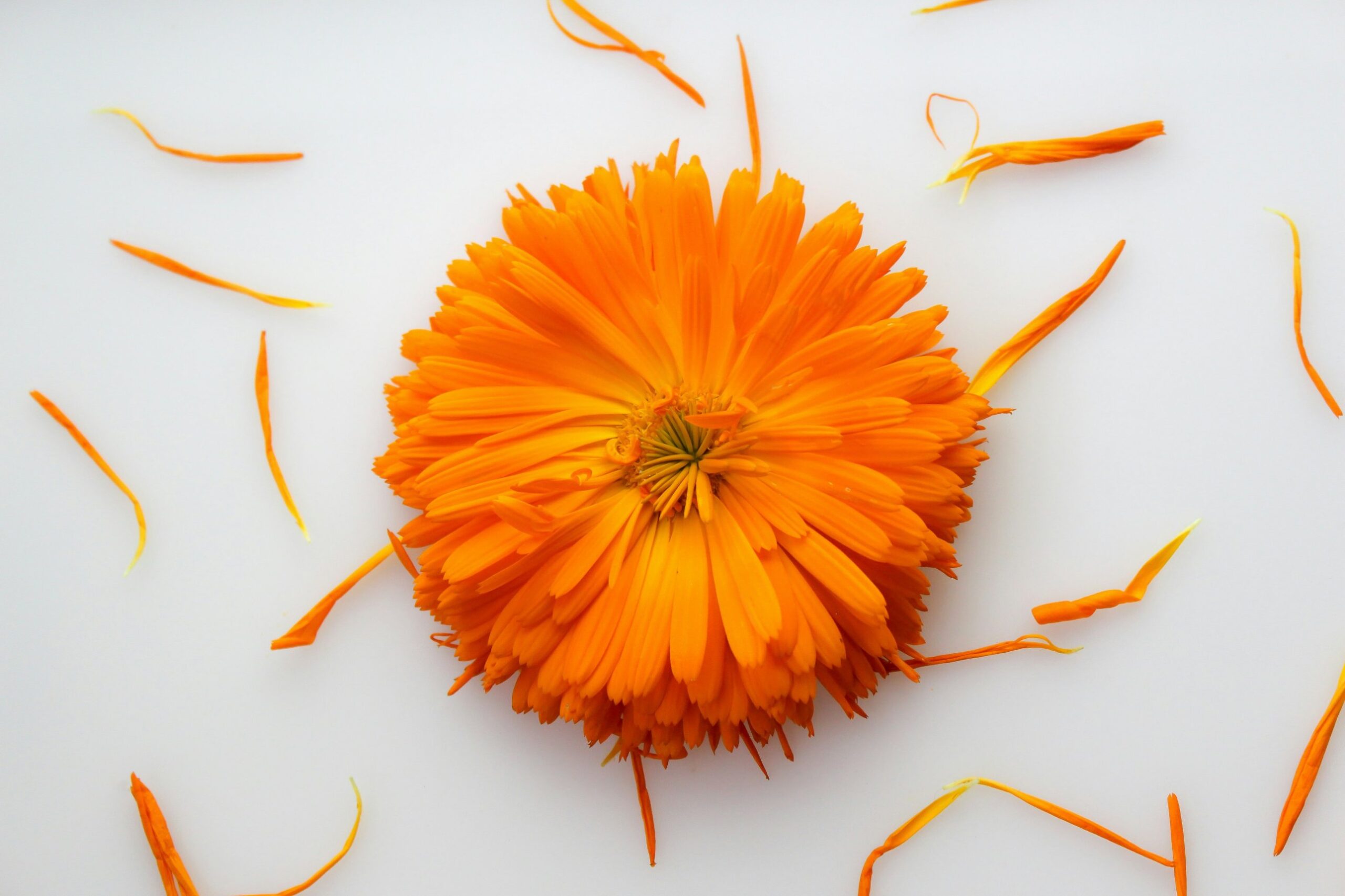
Some plants announce a new season with a trumpet. Calendula does it with a pile of orange and gold daisies right when the rest of the garden is thinking about packing it in. It is a cool-season flower, which means it is happiest right now, in an Emerald Coast fall, and it keeps blooming through our mild winters until spring heat finally pulls the plug. Pretty, edible, loved by bees, and very hard to kill? Yes, please.
Understanding Calendula
Calendula (Calendula officinalis), also called pot marigold, is a cheerful annual in the daisy family. It grows into a bushy mound about 12 to 24 inches tall, with bright orange or yellow blooms that open wide on sunny days and tuck in at dusk. Don’t mix it up with the Tagetes marigolds that fill every garden center in spring. Those are a different plant with a different smell and different uses. Calendula is the one with the edible petals.
Growing Conditions for Calendula
Calendula wants cool weather and plenty of sun, though a little afternoon shade is welcome once spring warms up. It is not fussy about soil. Average, well-drained soil is plenty, and it blooms better if you go easy on the fertilizer. It shrugs off a light frost, but keep a frost cloth handy for the rare hard freeze.
Here on the Emerald Coast, think of calendula as a fall-to-spring flower. It shines in the cool months, then slows down, gets leggy and fizzles when the heat and humidity of late spring arrive. Enjoy the show, then swap in something that loves summer.
Planting Calendula
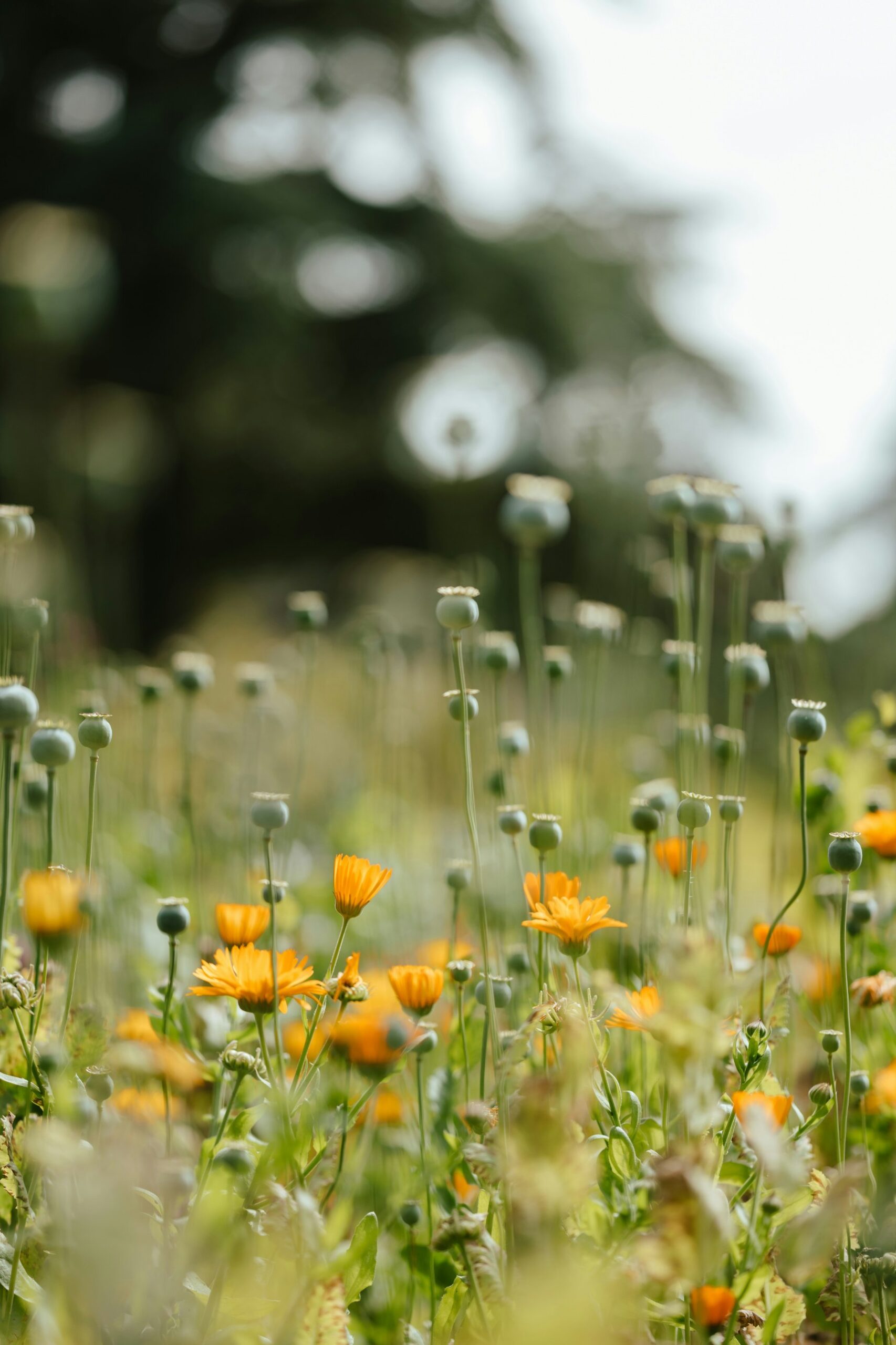
Seeds are the way to go. Sow them right in the garden about a quarter inch deep in October and November, the same window I talk about in my post on fall gardening in North Florida, and look for sprouts in a week to ten days. Thin seedlings to 8 to 12 inches apart so air can move between plants. That matters in our humidity, because crowded, damp calendula is an invitation to powdery mildew. Nursery transplants work too if you are feeling impatient.
Missed the fall window? Sow again in late winter, as soon as the soil is workable (around February to early March here), and you will still get blooms before the summer heat.
Caring for Calendula
Water at the base of the plant in the morning and let the top inch of soil dry out between drinks. Pick or deadhead spent blooms often, because the more you cut, the more it blooms. If you skip a few, calendula self-seeds, which means volunteers next year. I consider that a gift.
Check the undersides of the leaves for aphids, and knock them off with a blast of water. If leaves start to look dusted with white powder, thin the plants a bit and try to keep the foliage dry when you water.
Harvesting and Storing Calendula
Harvest in the morning, once the flowers are fully open and the dew has dried. Pull the petals for tea, salves and cooking, or cut whole blooms for a small bouquet. To dry them, spread petals on a mesh screen or paper towel somewhere warm, airy and out of direct sun until they are crisp, then store in an airtight jar away from light. Fresh petals keep a day or two in the fridge.
Culinary and Medicinal Uses
Calendula petals are sometimes called poor man’s saffron because they tint rice, soups, butter and baked goods a sunny yellow. The flavor is mild, a little peppery and slightly bitter, so I like it scattered over salads, deviled eggs or a bowl of soup. Fresh petals also make a pretty tea and a cheerful garnish for a mocktail. If you are building a garden for sipping, add it to the list in my post on herbs for your cocktail garden. For more flowers you can actually eat, see my edible flower guide.
Calendula has a long history in herbal skin care, where the petals are steeped in oil for salves. Treat that as tradition, not medical advice, and check with your doctor first if you are pregnant or sensitive to daisy-family plants like ragweed. You can read my health and medical disclaimer here.
A Note for the Dog People
Byron has strong opinions about what is edible in the garden (all of it), so I always check before I plant. The ASPCA lists pot marigold (Calendula officinalis) as non-toxic to dogs and cats. It is a different plant from Tagetes marigolds, so double-check the botanical name on the tag at the nursery.
Companion Planting with Calendula
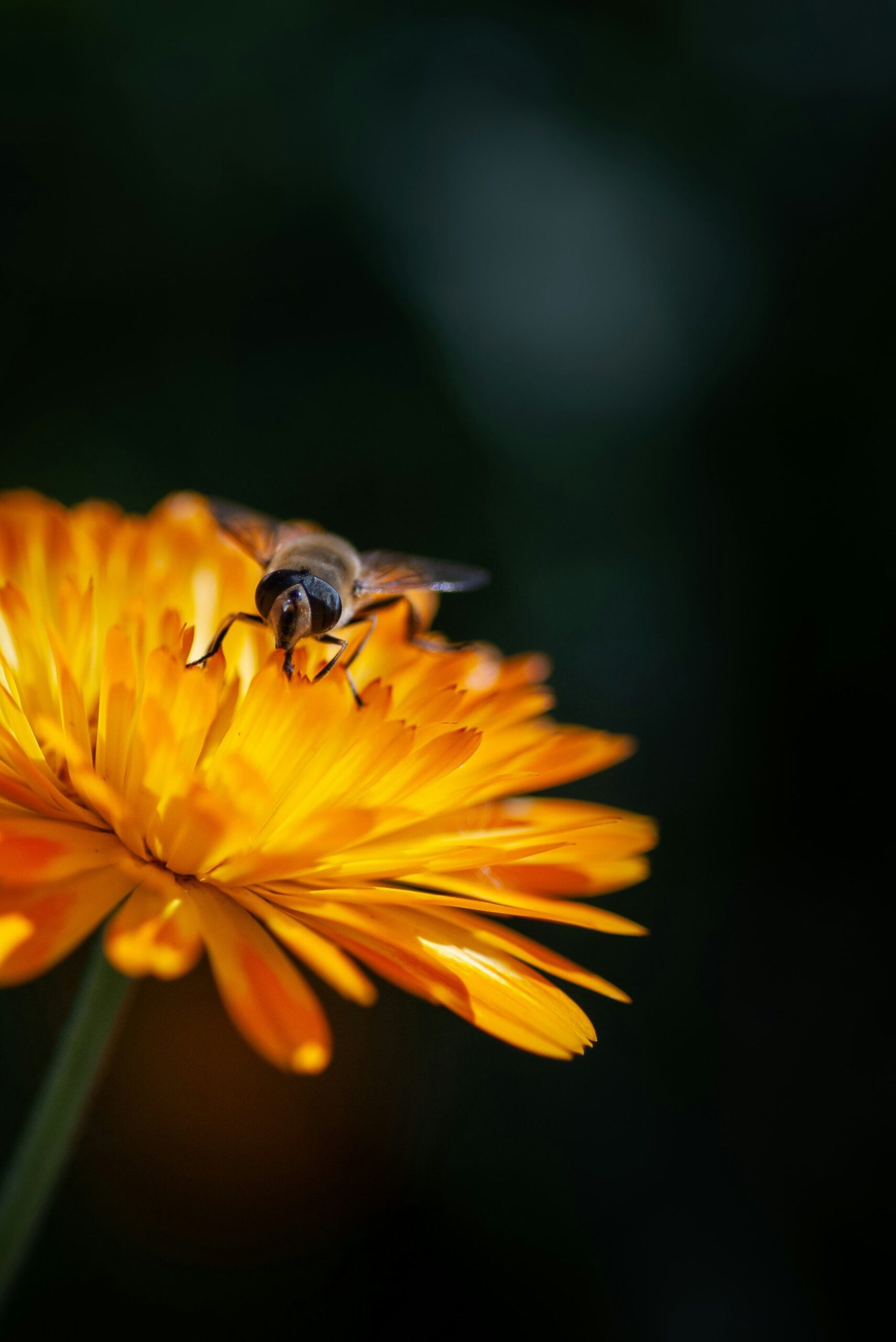
Calendula is a good neighbor. Its blooms feed bees and other beneficial insects, and aphids sometimes go for calendula first, which can pull them away from nearby vegetables. Tuck it in among your fall lettuce, kale and broccoli, along the edge of a raised bed, or in a pot by the kitchen door. For more pairings, see my guides to companion planting and designing a garden that buzzes with life.
Why Calendula Earns a Spot
Calendula is proof that a plant can be pretty, useful and low drama at the same time. Sow a few seeds this fall, and by winter you will have sunny blooms to pick for the table, the teapot or the salad bowl.
I grow calendula here in North Florida every fall, and it is one of the happiest things in my garden once the humidity finally backs off. I also use it for tea, and a mug of those sunny petals makes a cool evening feel a little more cozy.
Have you ever cooked with calendula petals, or made a salve? I would love to hear how you use yours. Drop a comment below or tag me @cultivateandnavigate.