BORAGE: The Cocktail Garden Herb You Need to Grow Now
If you’ve been wondering how to grow borage, you’re in the right place — and you’re about to discover one of the most underrated herbs in the garden world. Once you do, you’ll wonder how your garden ever existed without it. This is the herb that earns its keep from every angle: strikingly beautiful, wildly useful in the kitchen and cocktail bar, beloved by pollinators, and one of the easiest herbs you’ll ever start from seed. It also comes with excellent folklore — it was historically believed that slipping a bit of borage into someone’s drink would give them the courage to propose. Consider yourself warned.
If you’re building out a cocktail garden or just want to add something unexpected and genuinely useful to your herb beds, borage deserves a spot. Here’s everything you need to know about how to grow borage.
What Is Borage?
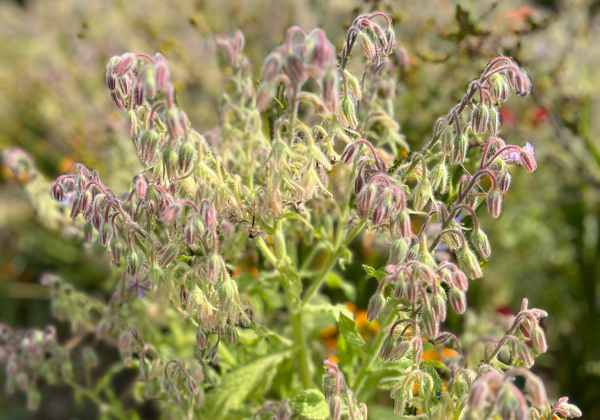
Borage (Borago officinalis), also known as starflower, is an annual herb native to the Mediterranean. It grows quickly into a bushy plant reaching 2–3 feet tall, with broad, fuzzy gray-green leaves and clusters of star-shaped, vivid blue flowers — one of the truest blues you’ll find anywhere in the garden. Both the leaves and flowers are edible, with a fresh, subtle cucumber flavor that makes them among the most refreshing herbs in your toolkit.

Why Grow Borage?
For Your Cocktail Garden
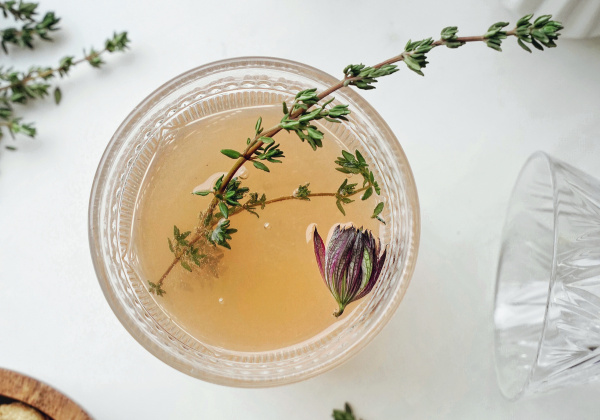
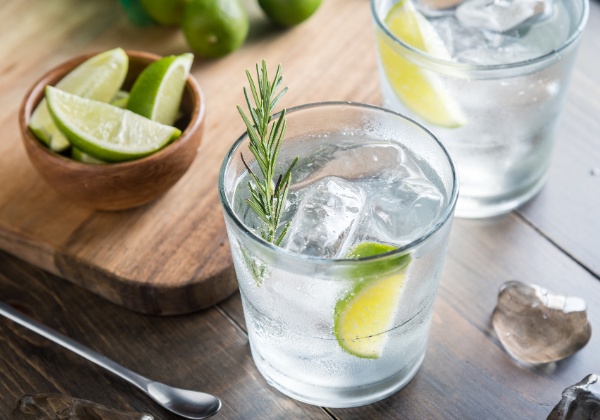
Borage flowers are stunning floating in gin and tonics, Pimm’s Cups, lemonades, and summer spritzers. Freeze the blooms into ice cubes for a cocktail bar effect at home. The young leaves add a cucumber note when muddled into drinks — a more delicate, floral alternative to mint.
For Your Kitchen
Young borage leaves work beautifully in salads, chilled soups like gazpacho, and yogurt dips. The star-shaped flowers can be candied for cakes and pastries, tossed over salads, or infused into honey and vinegar for a light floral sweetener.
For Your Garden Ecosystem
Borage is one of the most effective pollinator plants you can grow — hence its nickname “bee bread.” It attracts bees, butterflies, hoverflies, and beneficial predatory insects. It’s also a powerful companion plant for tomatoes, strawberries, squash, and cabbage, helping deter hornworms and cabbageworms. Pair it alongside basil and lemon balm for a thriving pollinator corner.
Growing Borage: What You Need to Know
Sun & Soil
Full sun is ideal, though borage tolerates light shade. It’s wonderfully unfussy about soil and actually thrives in poorer, well-drained conditions — a great fit for Florida’s sandy garden beds. Avoid heavy, waterlogged soil.
Planting from Seed
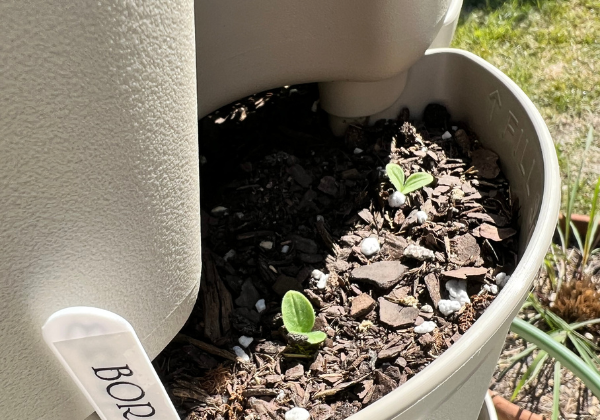
Borage is best sown directly — it dislikes transplanting because of its taproot. Sow seeds directly in the garden about ½ inch deep after the last frost date. It germinates quickly and establishes fast.
Watering
Water regularly until established, then ease off. Borage is fairly drought-tolerant once settled in.
Size & Support
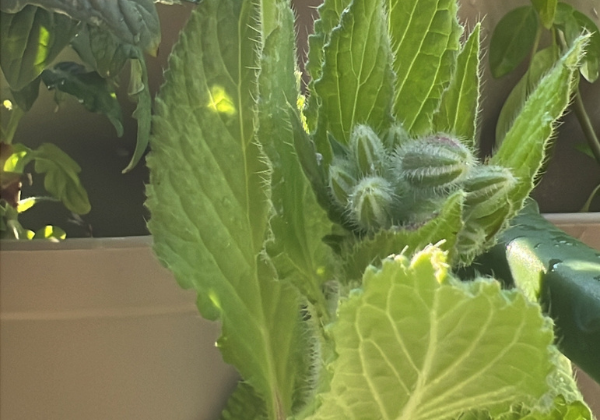
Plants can reach up to 3 feet tall with hollow, somewhat brittle stems. Plant near a fence or wall, or stake loosely to prevent flopping in summer storms.
Florida Growing Notes
In the Florida Panhandle, borage does best as a cool-season grower. Plant in fall for winter and spring blooms, or in early spring before peak summer heat sets in. It will fade in the hottest months but self-seeds prolifically — you’ll often find volunteer plants returning season after season without any effort on your part.
Harvesting Borage
Harvest flowers in the morning, after the dew has dried, for maximum freshness. Use immediately or store briefly in a damp paper towel in the refrigerator. Young leaves are best harvested before the plant flowers, when they’re most tender and least hairy. If you want to control self-seeding, deadhead before seeds fully develop.
How to Use Borage
- Float fresh blooms in cocktails, punch bowls, and lemonade pitchers
- Freeze flowers in ice cubes for an elegant entertaining touch
- Candy the flowers with egg white and superfine sugar for cake decorating
- Infuse flowers into honey for a light, floral sweetener
- Add young leaves to cucumber water or cold-brew herbal teas
- Tuck into salads for a vivid pop of true blue
Companion Herbs to Grow Alongside Borage
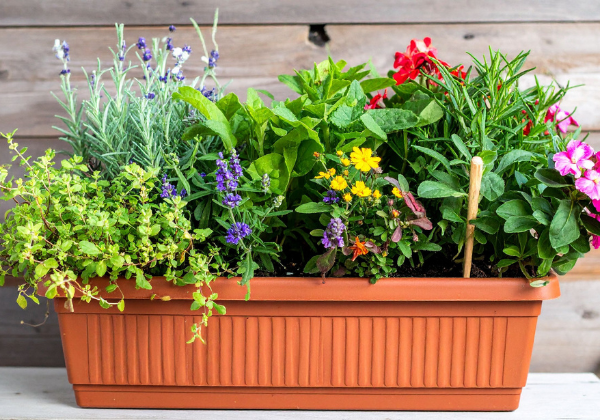
Borage pairs beautifully with other cocktail and kitchen garden herbs. If you’re building out your herb garden, check out my profiles on lavender, lemon verbena, chamomile, and lemongrass — all excellent companions in the cocktail garden.
The Bottom Line on Borage
Borage is one of those rare garden herbs that genuinely delivers on every promise. It’s beautiful enough to earn a spot in any flower bed, productive enough to keep your cocktail bar stocked all season, and low-maintenance enough that even a beginner gardener can grow it with confidence. Add in the pollinator benefits, the companion planting advantages, and the fact that it practically replants itself year after year, and you’ve got a plant that gives back far more than it asks for.
If you’ve been building out your herb garden and looking for something a little unexpected — something that sparks conversation, elevates a gin and tonic, and turns heads in the garden all at the same time — borage is your answer. Start with a small packet of seeds, direct-sow them in a sunny spot, and prepare to wonder why you waited this long.
Growing borage for the first time? Drop a comment below and tell me what you’re mixing it into — I want to know! And if you found this guide helpful, save it to your herb garden board on Pinterest.